surveillance
what came first the police or the crime ?
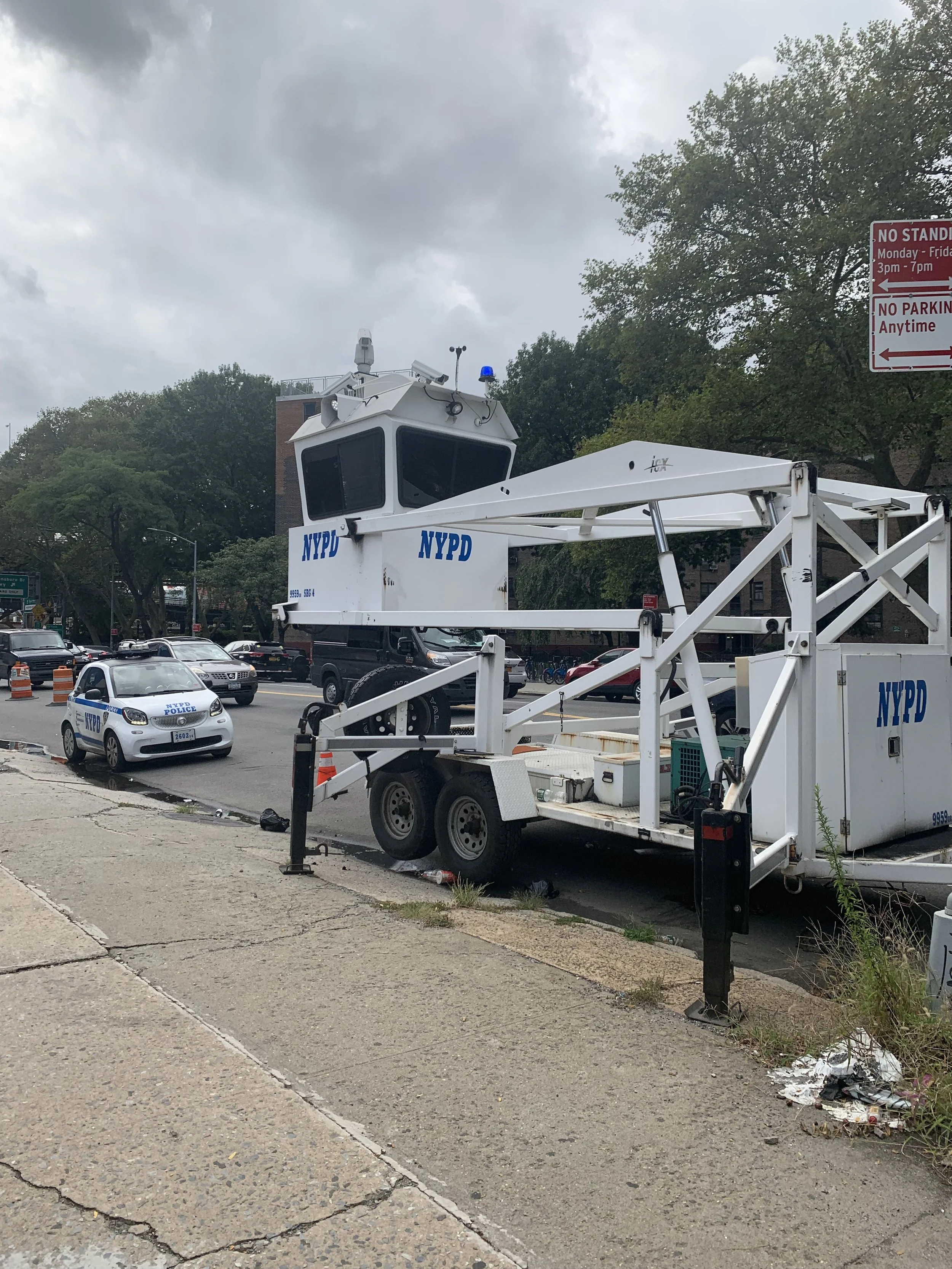
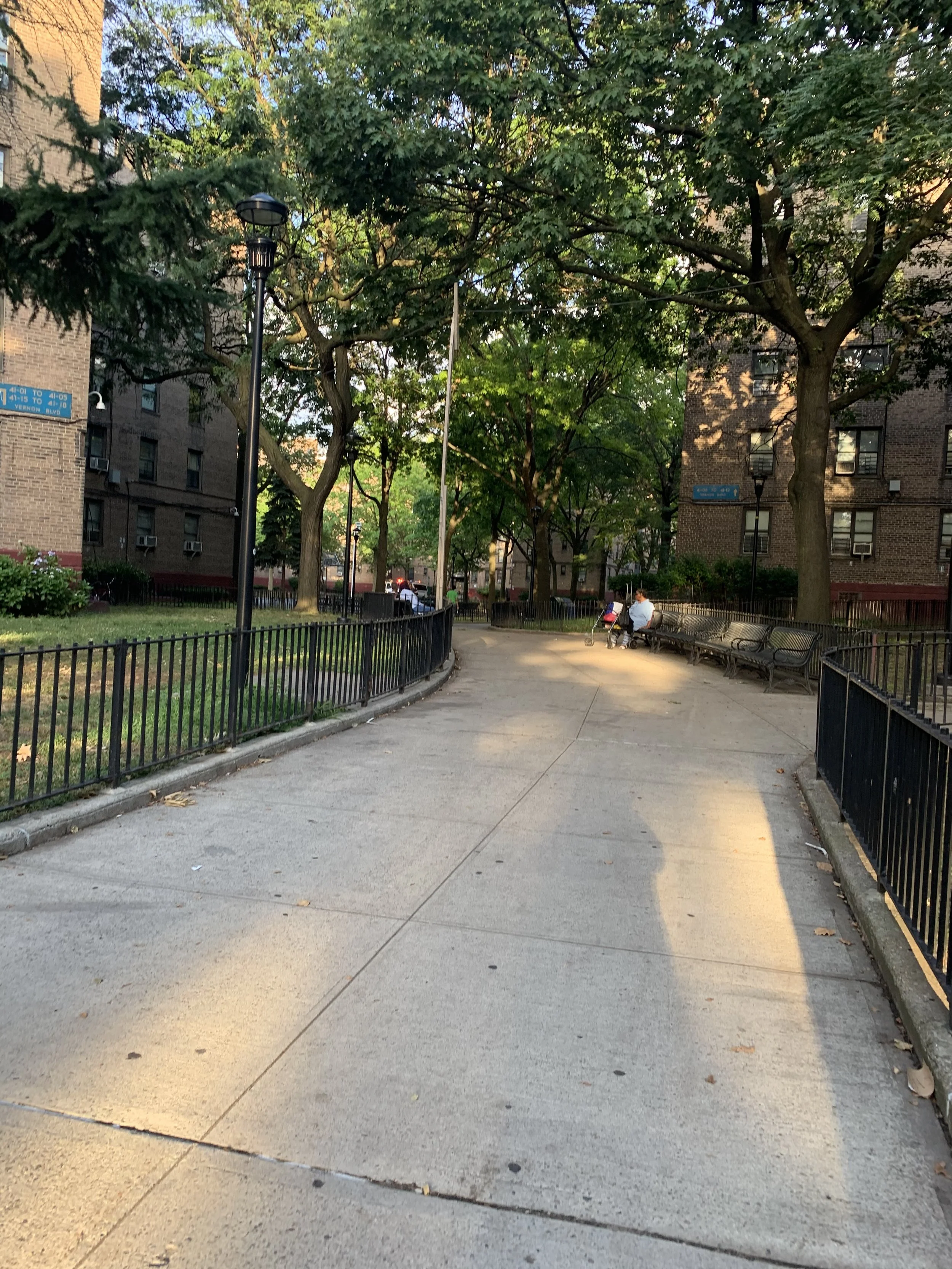
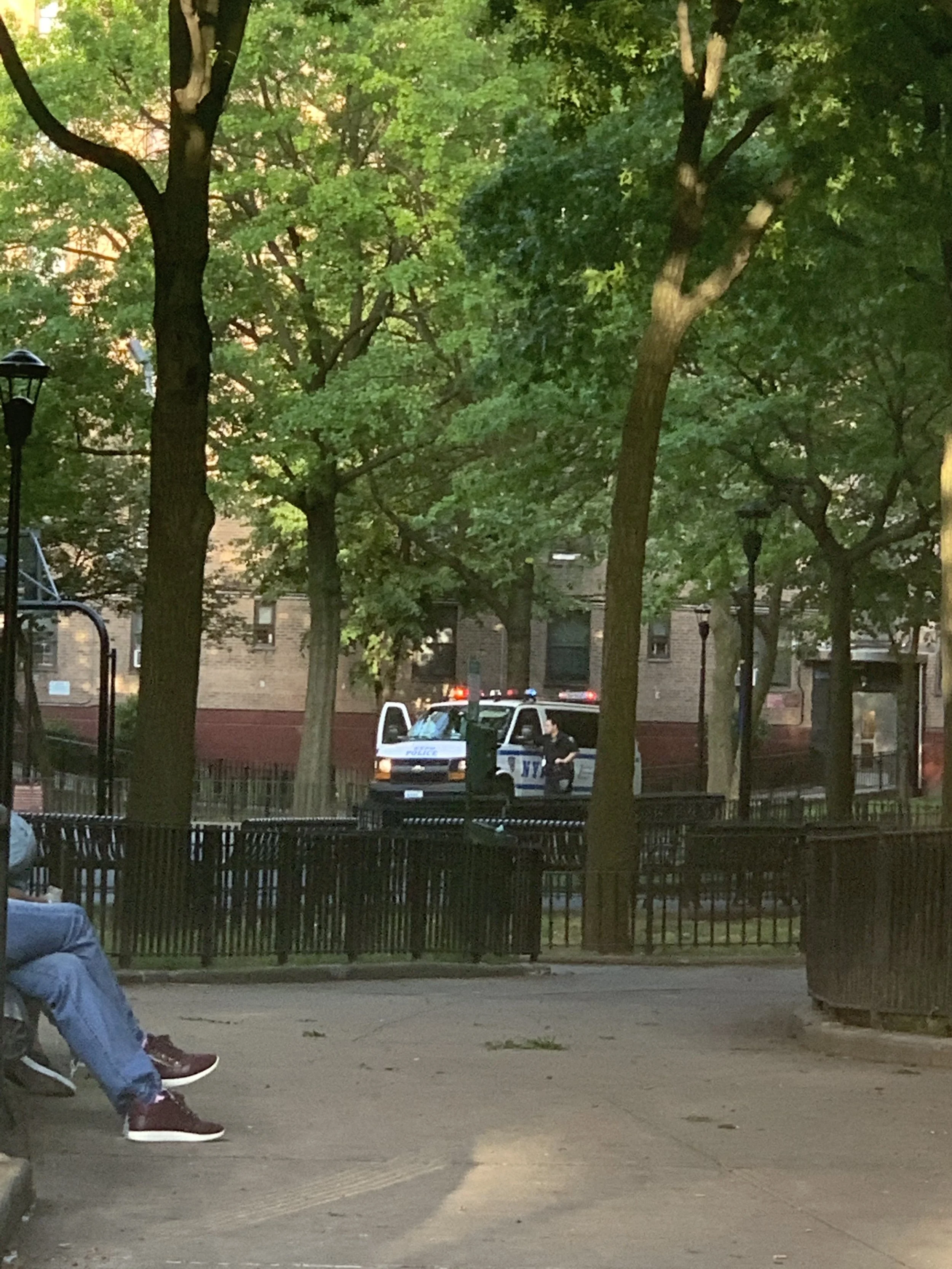
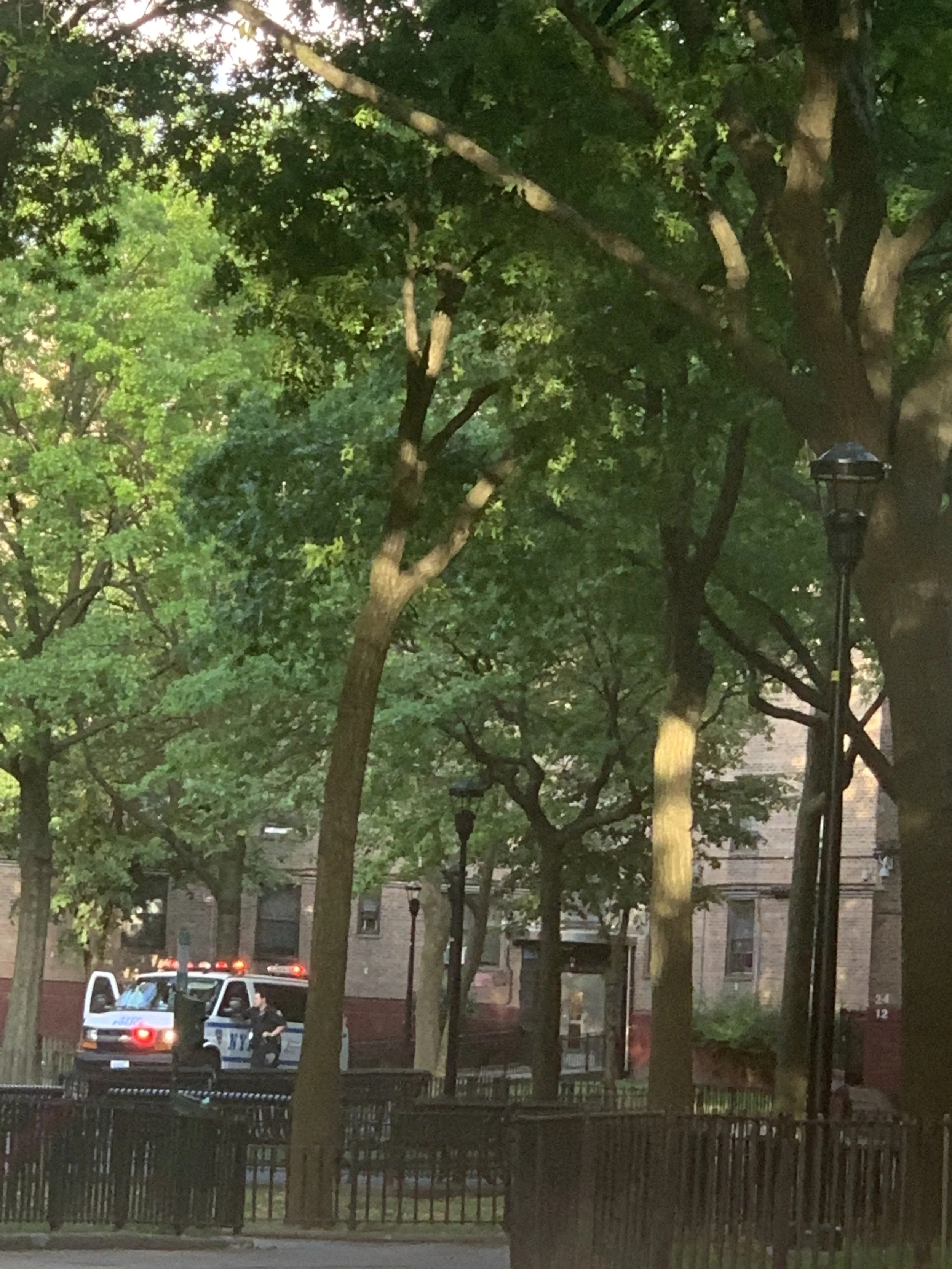
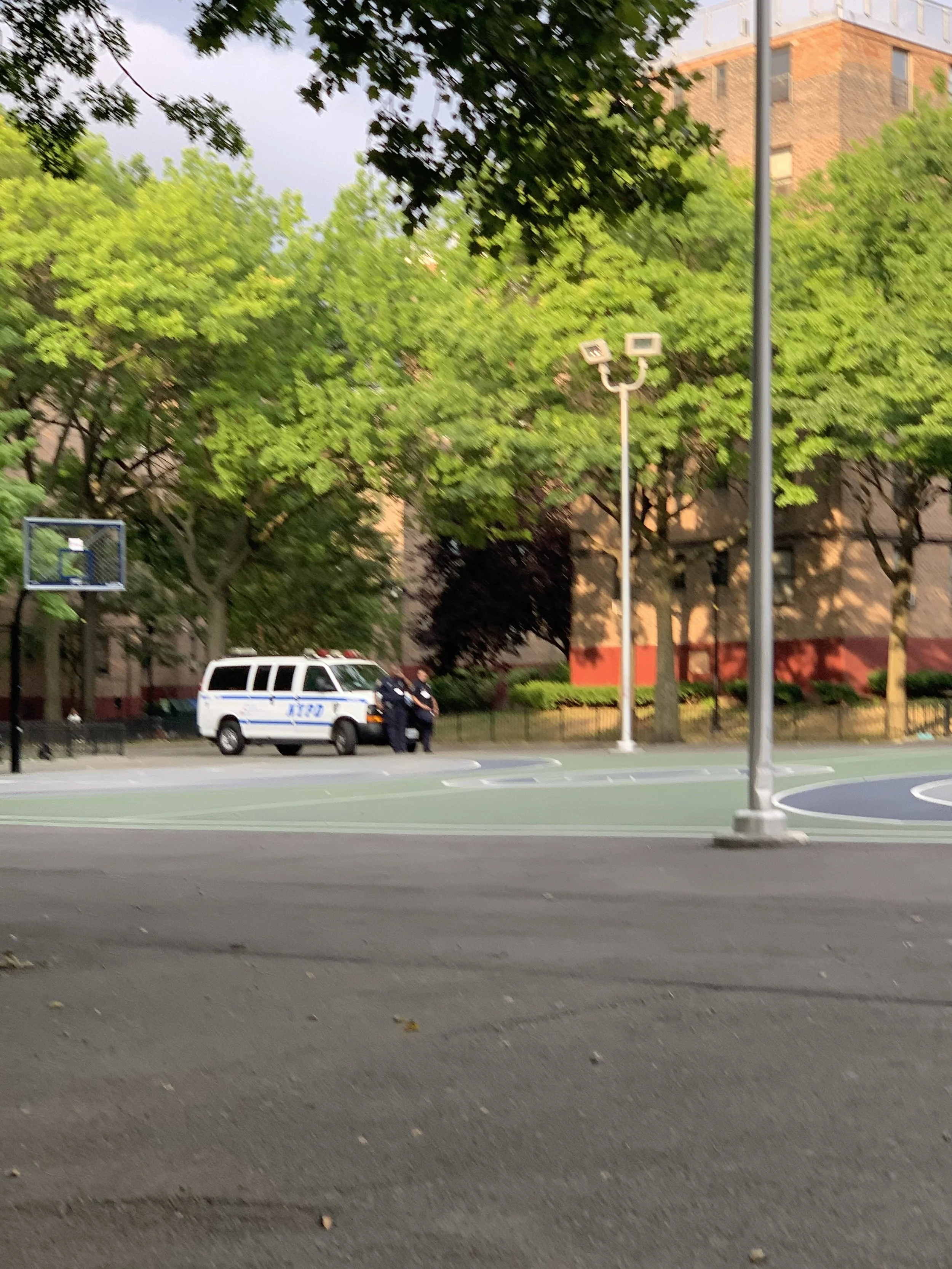
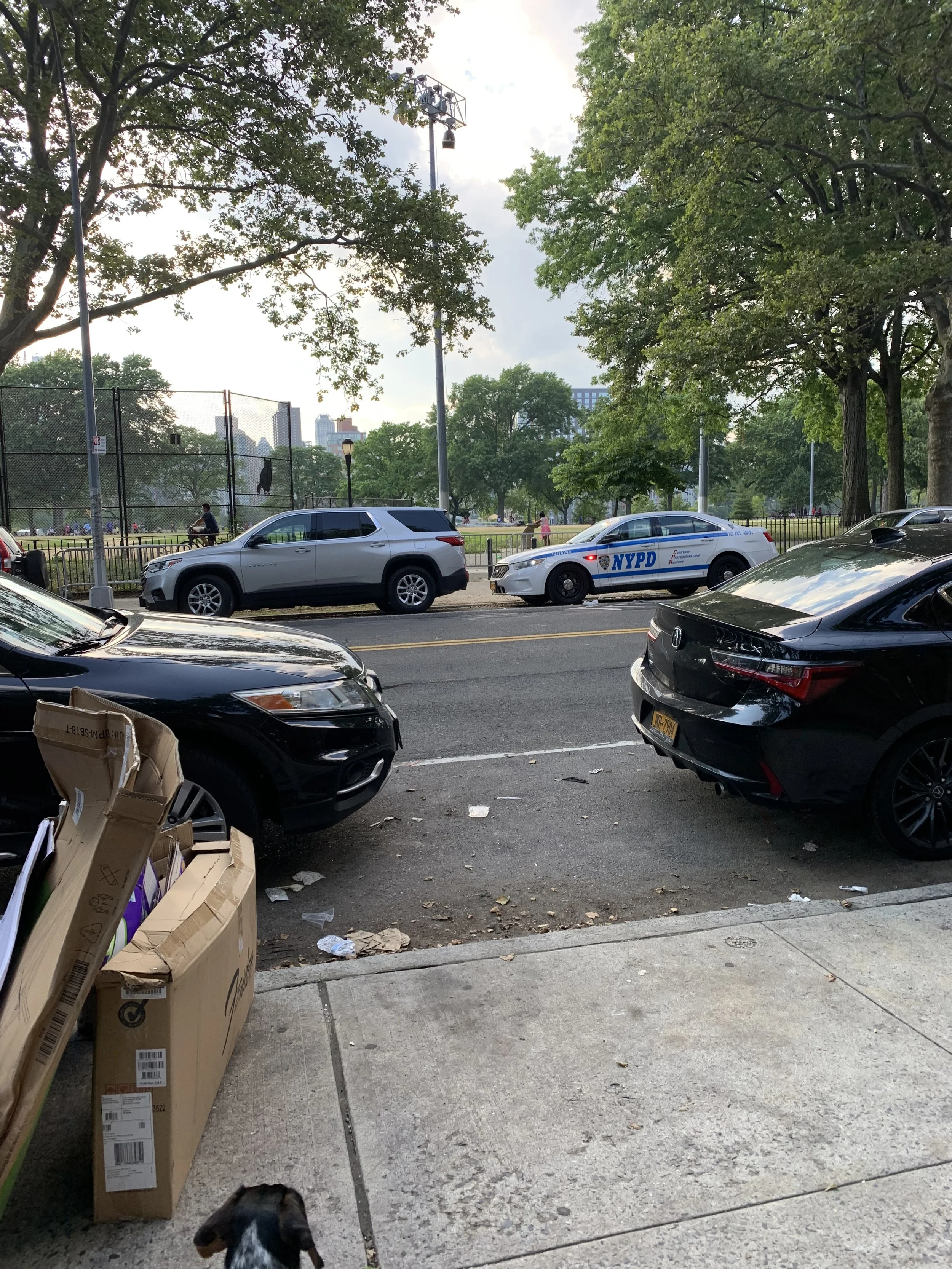
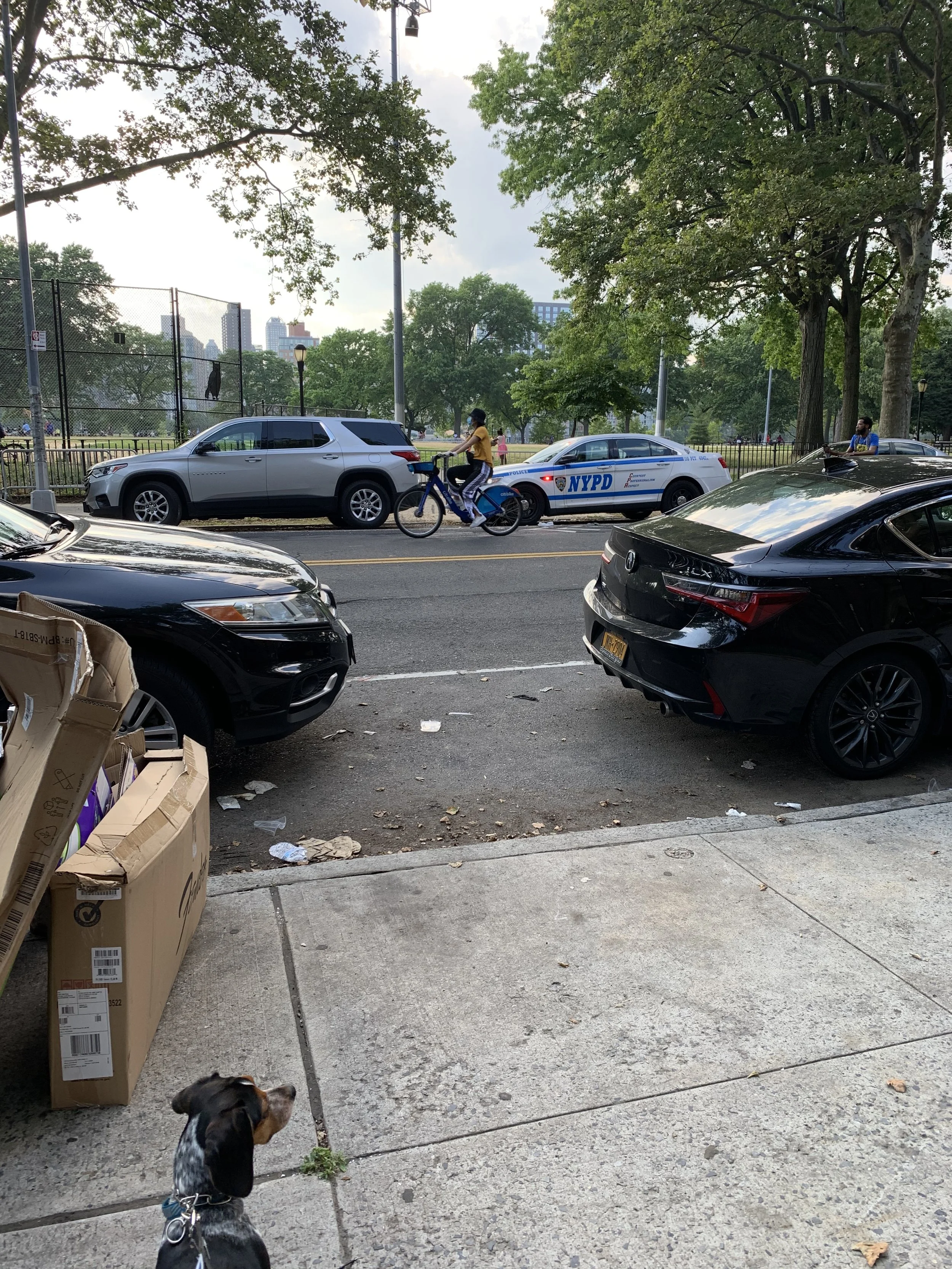
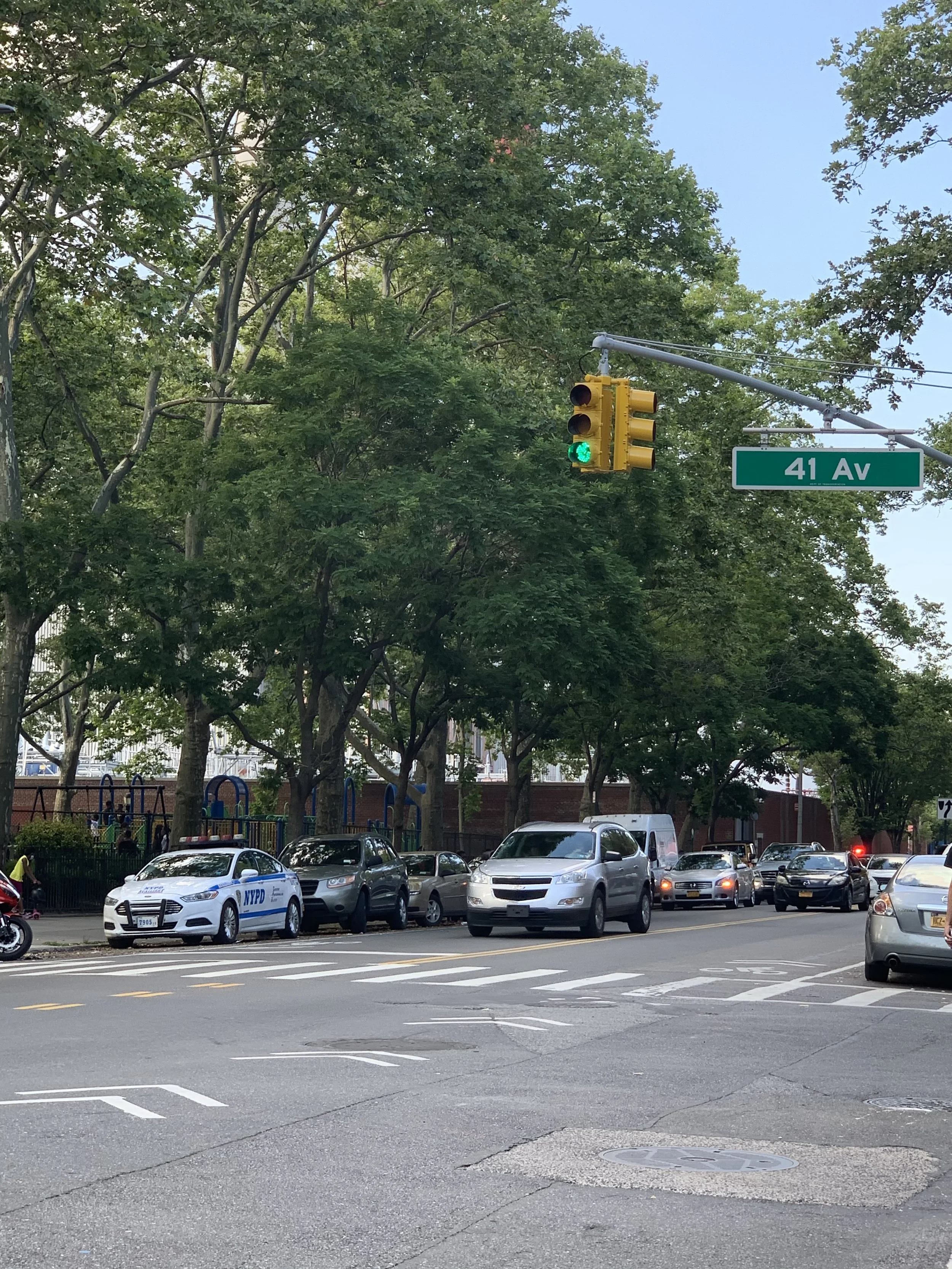
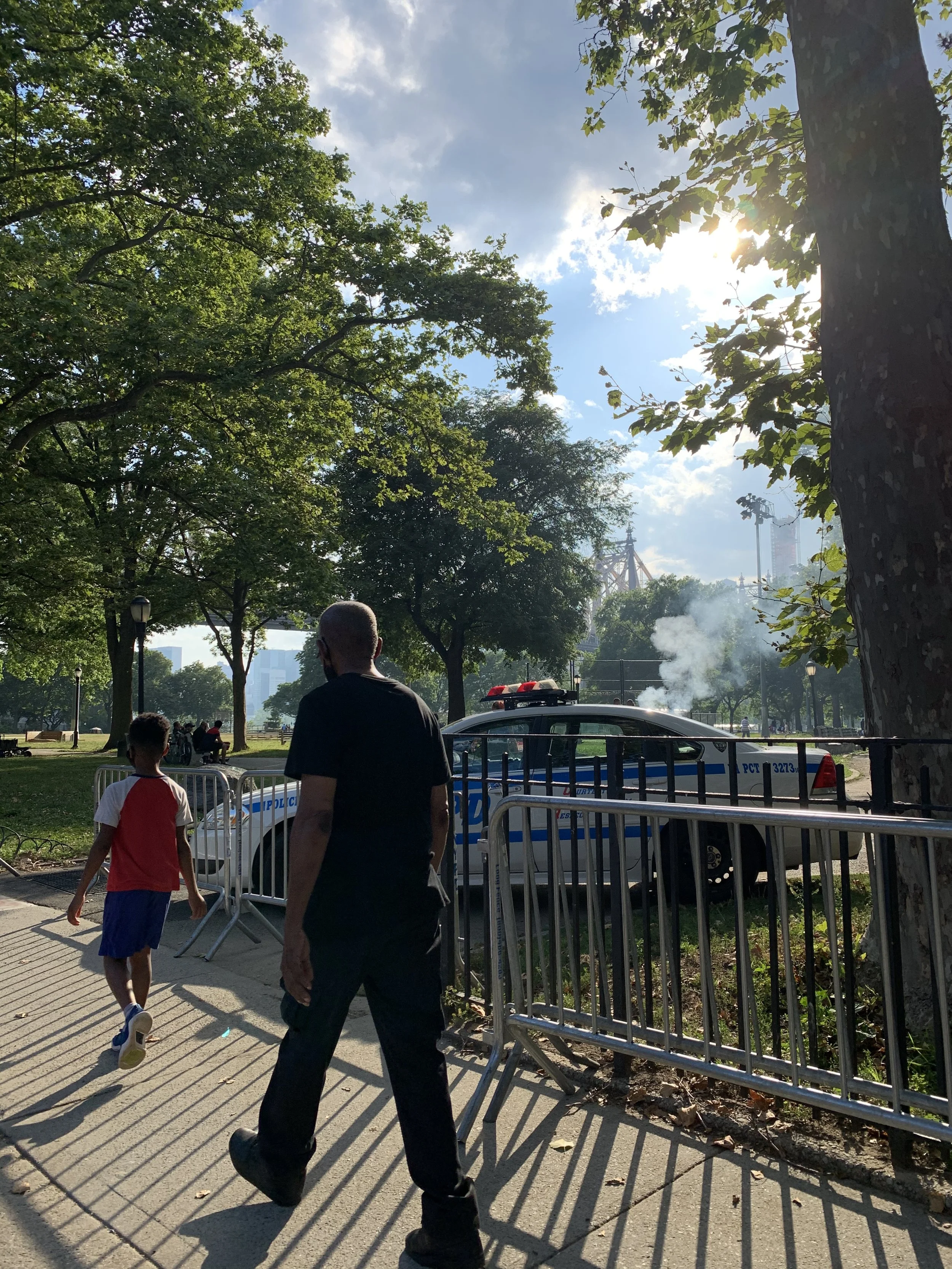
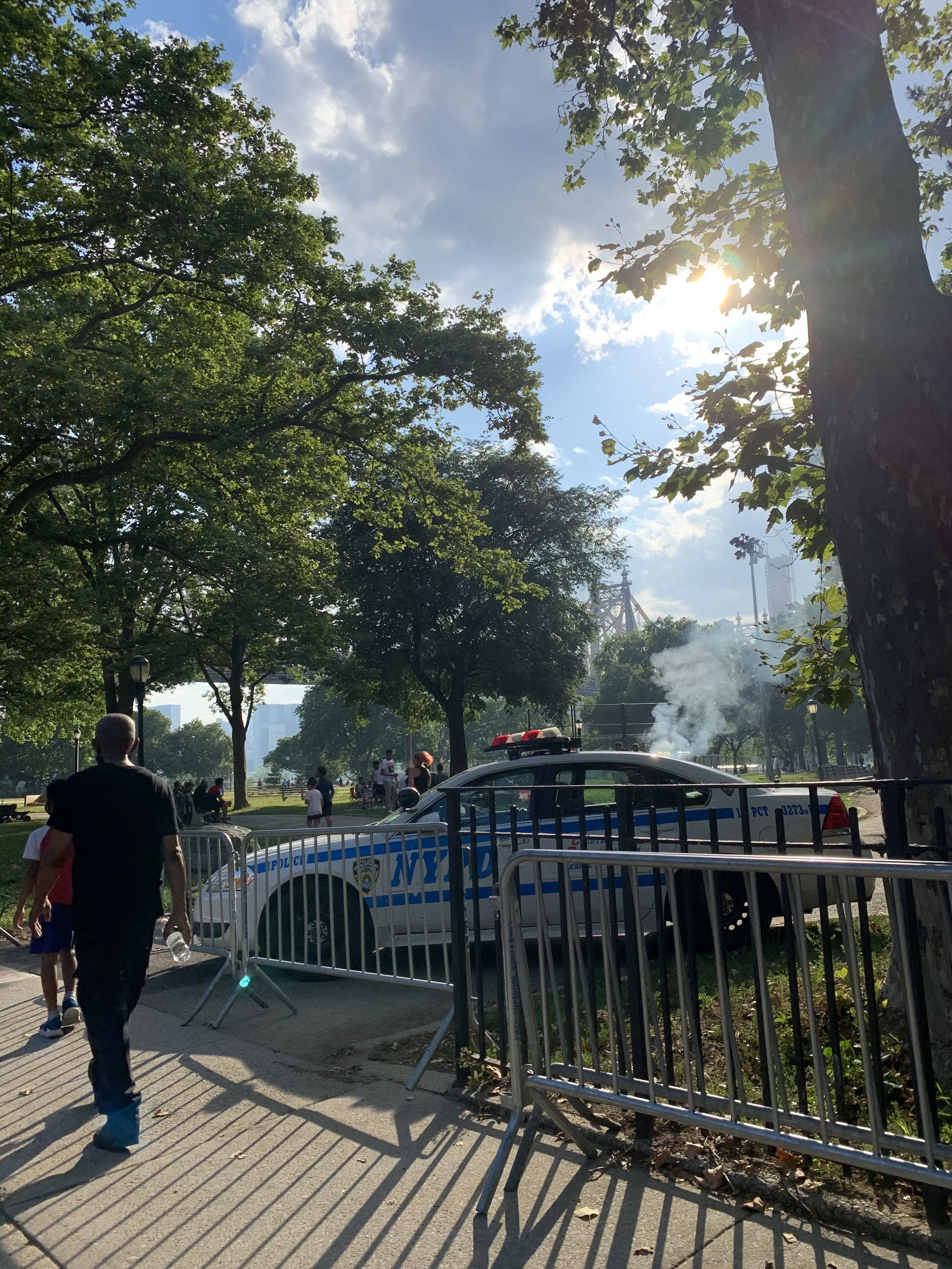
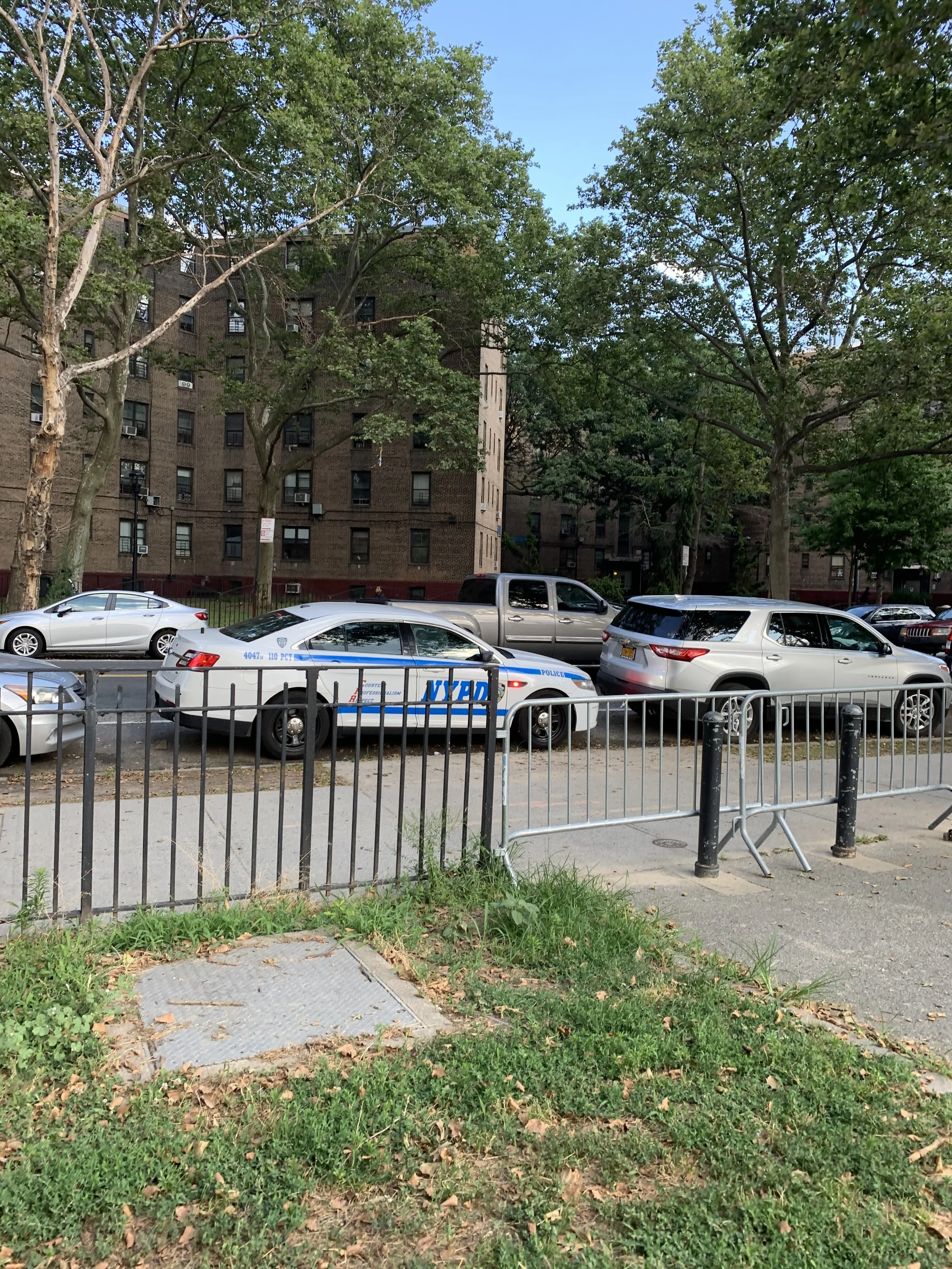
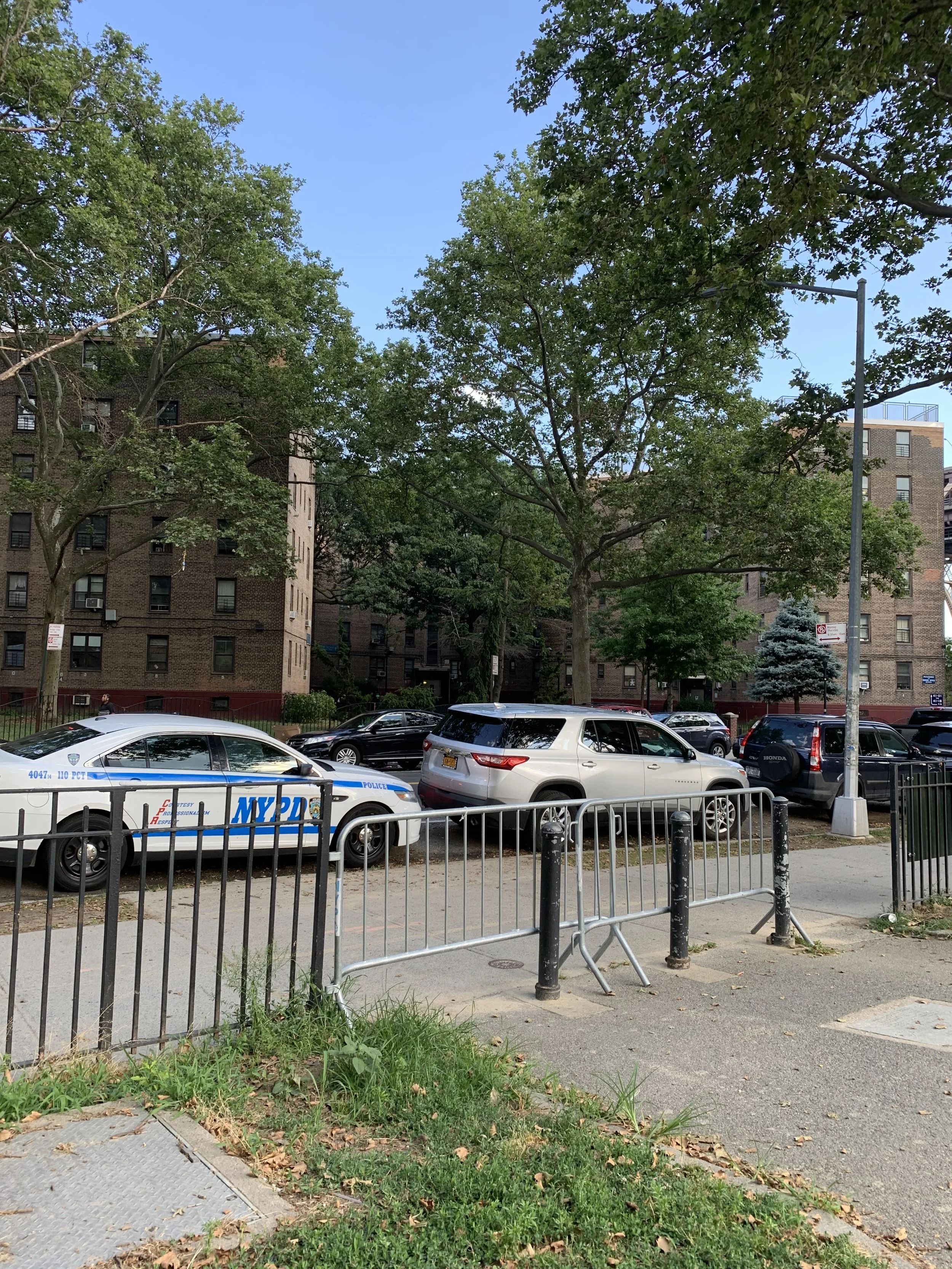
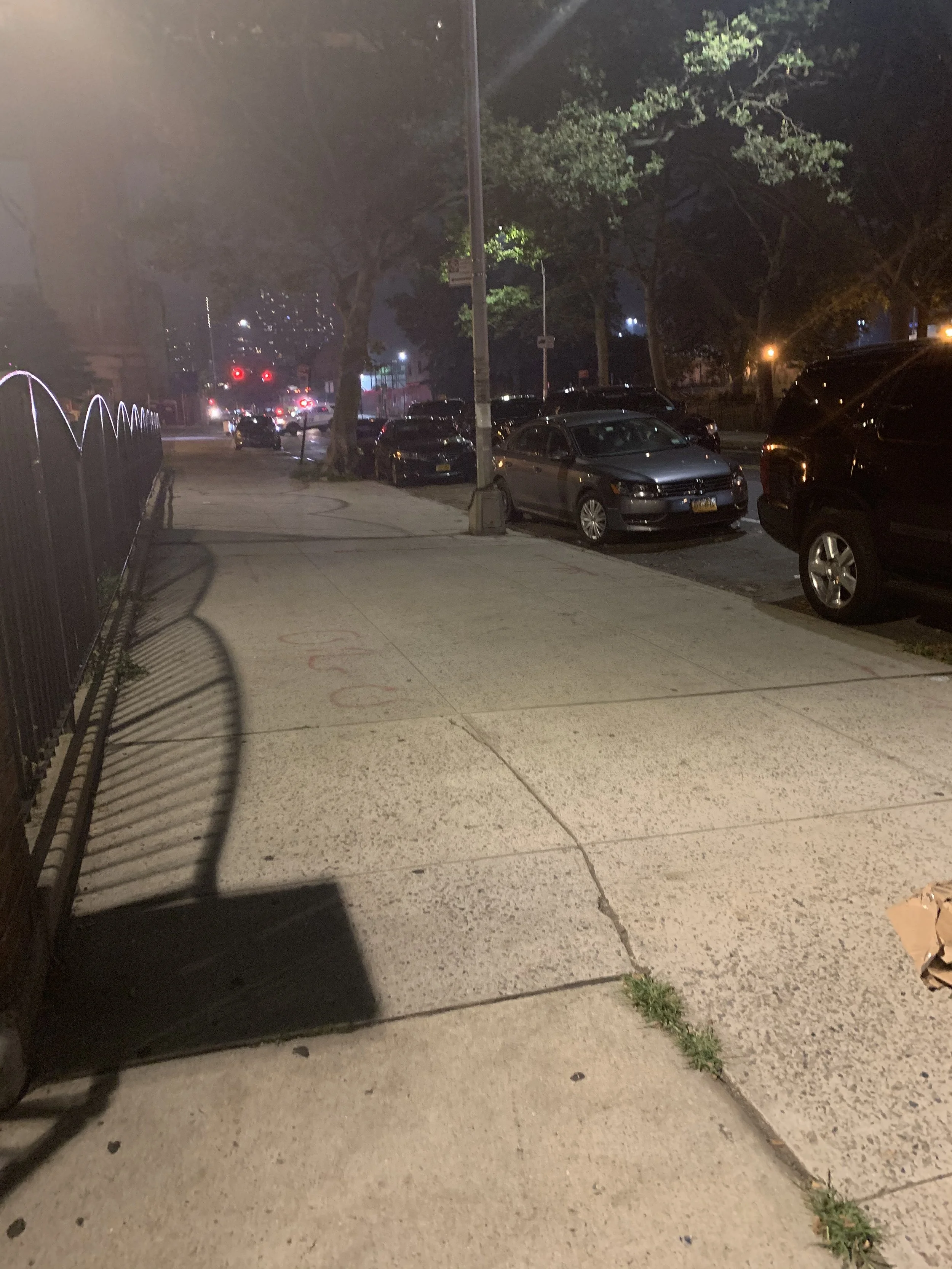
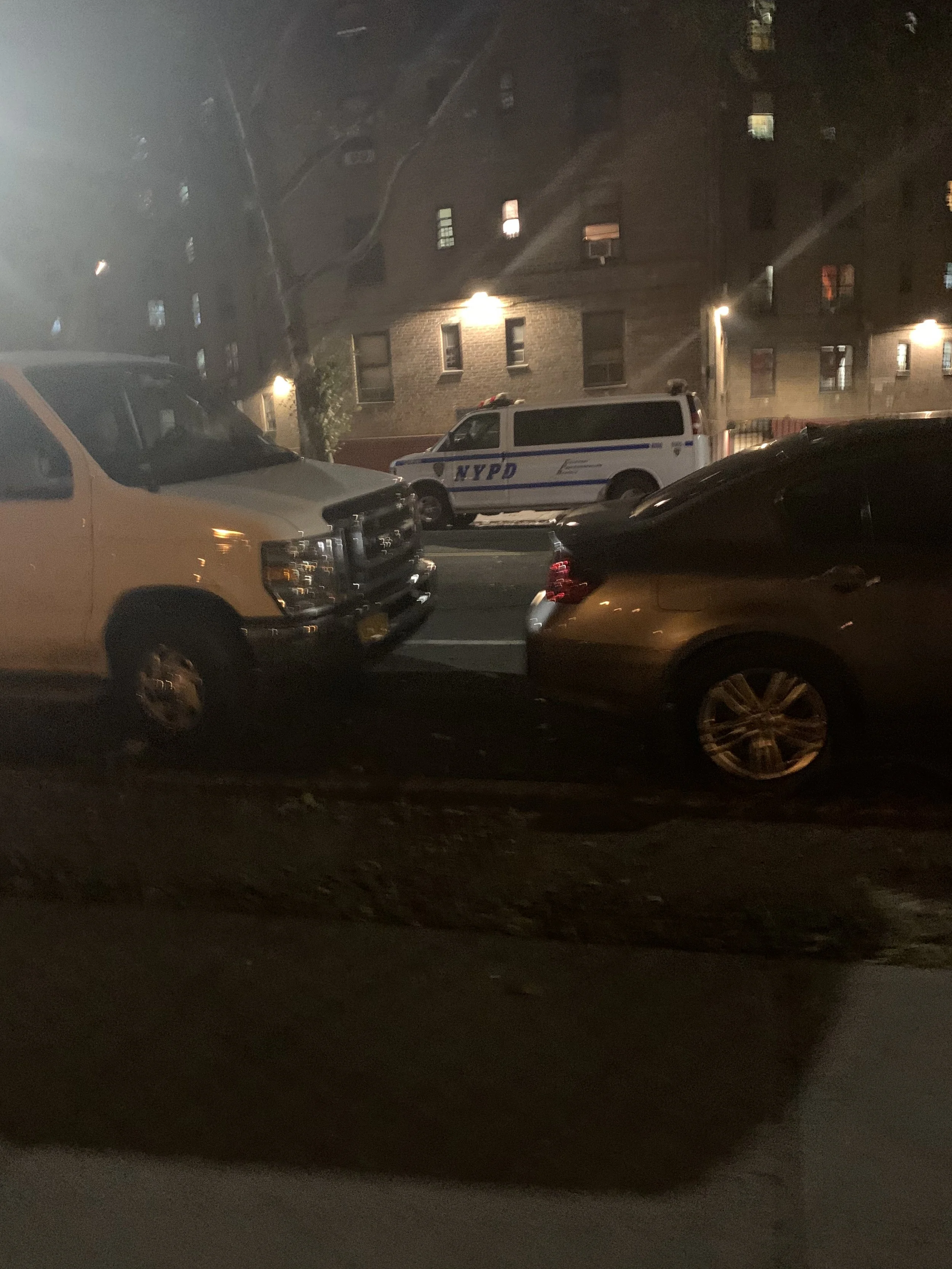
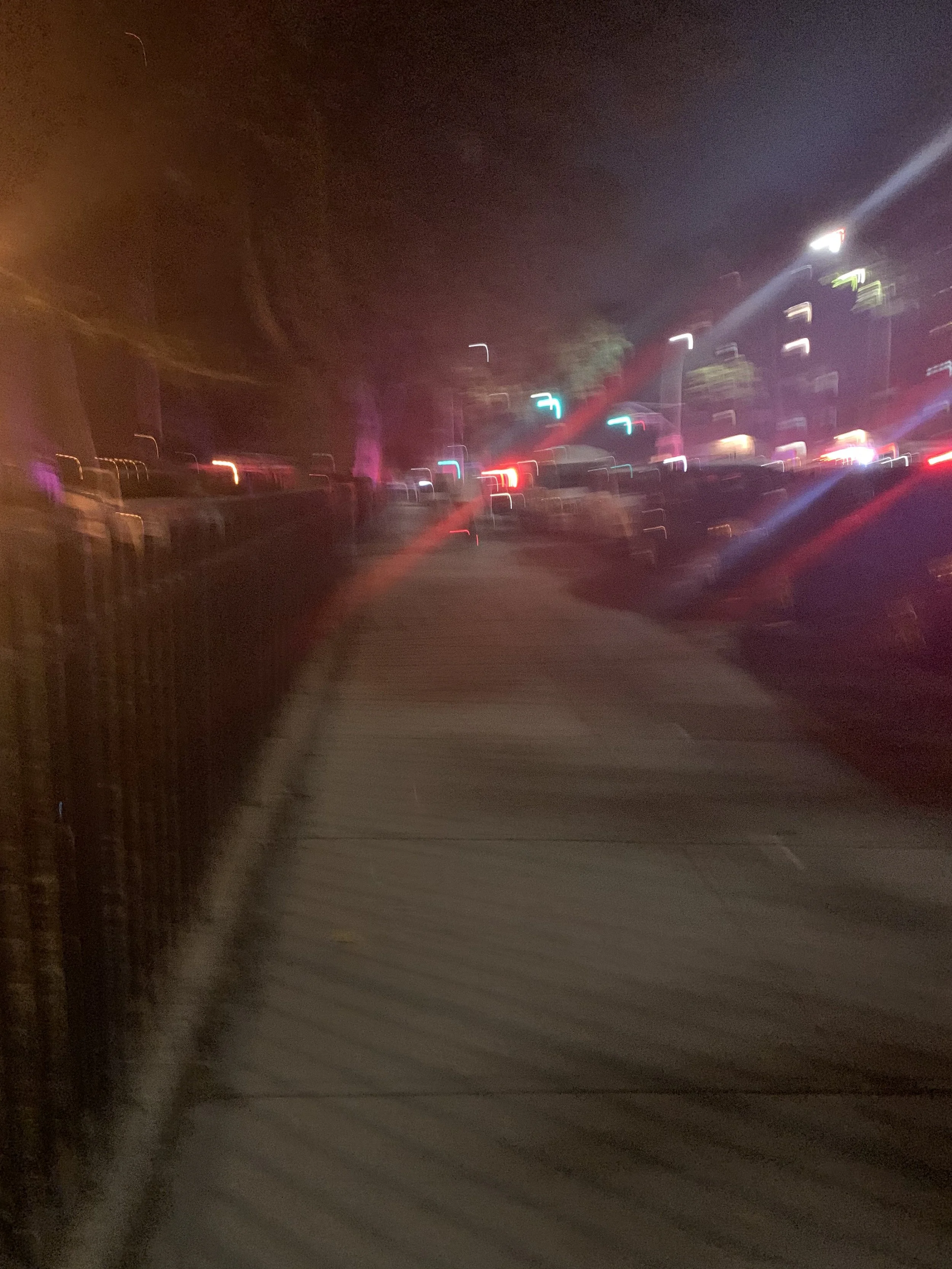
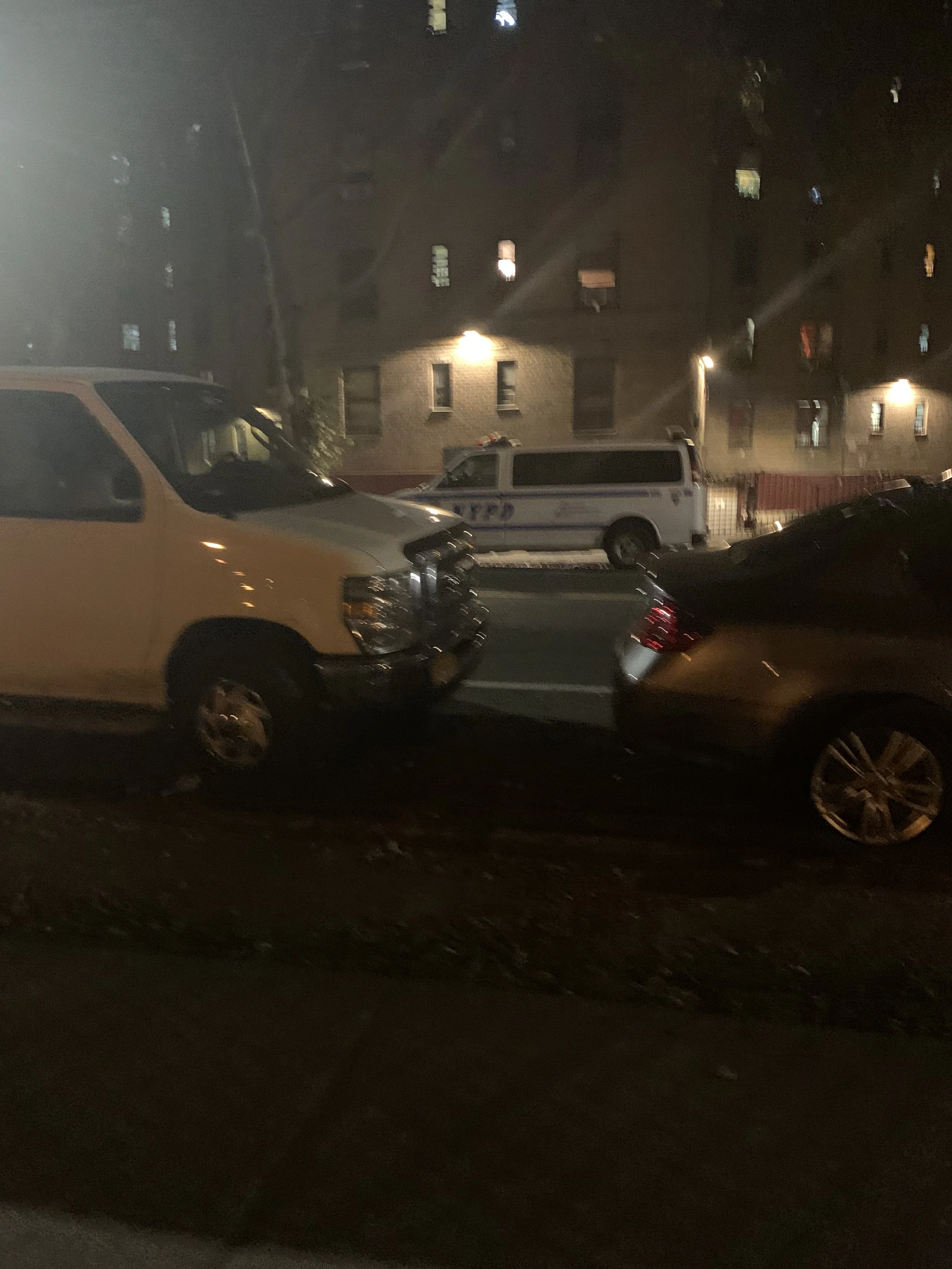
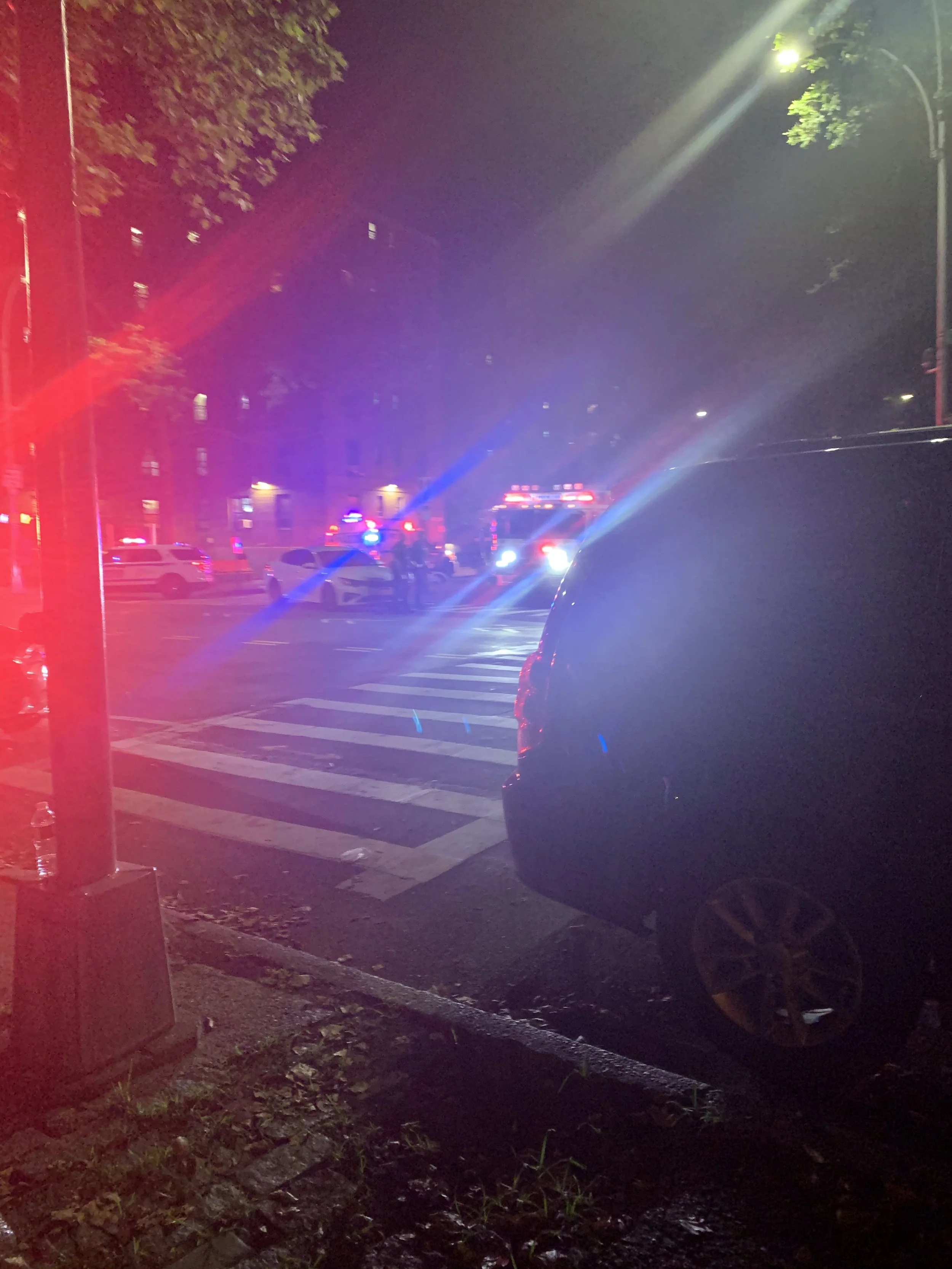
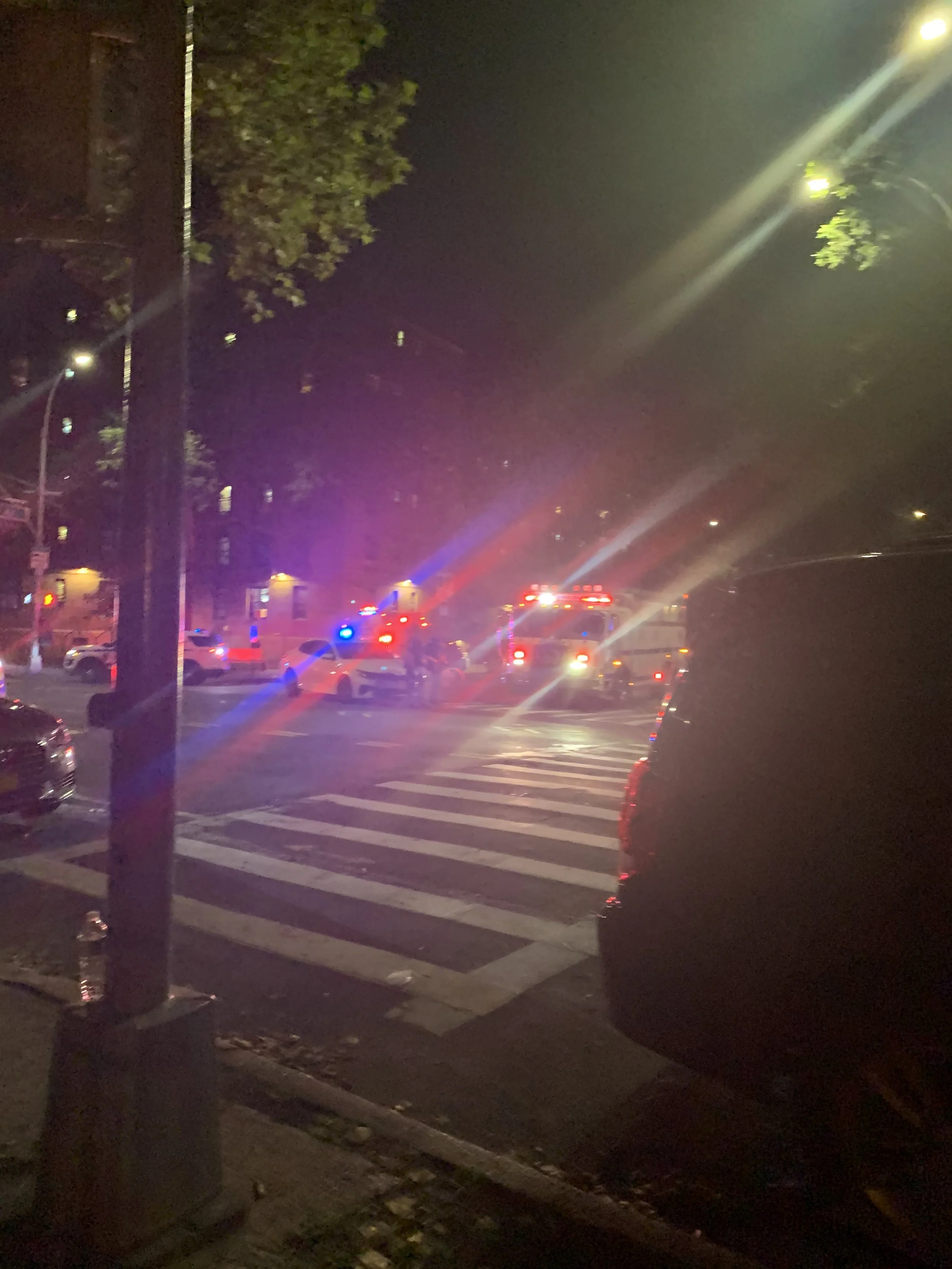
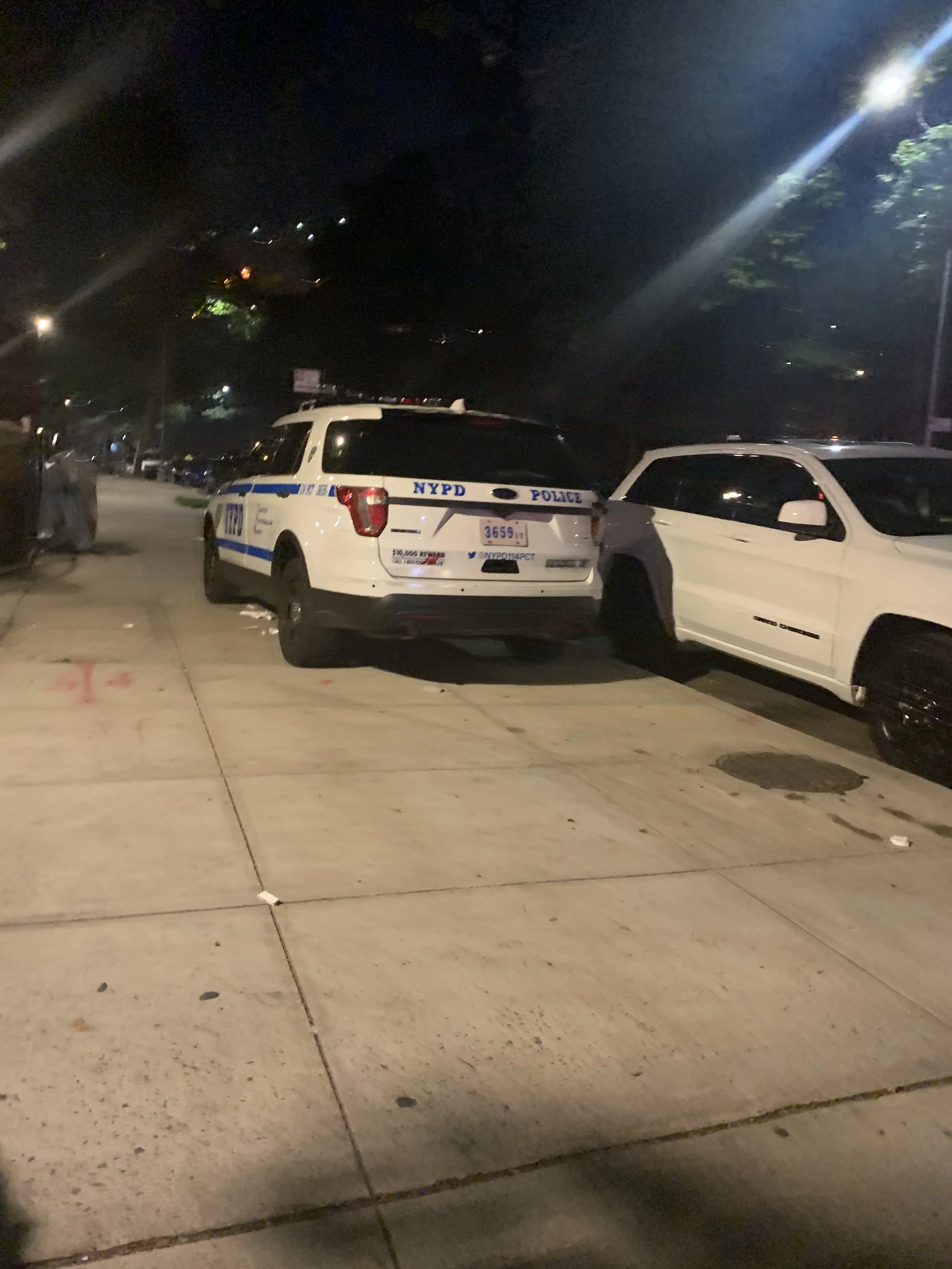
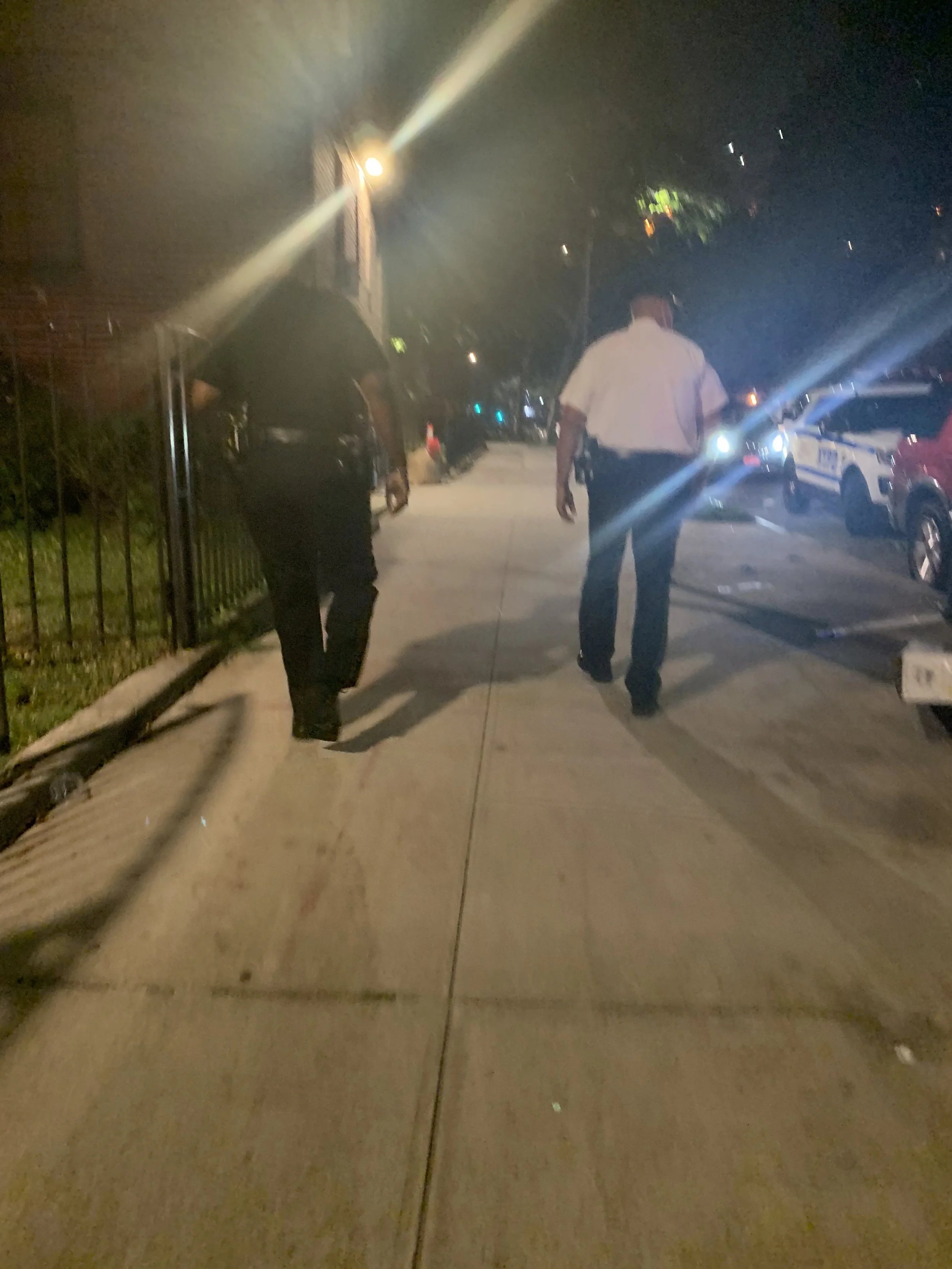
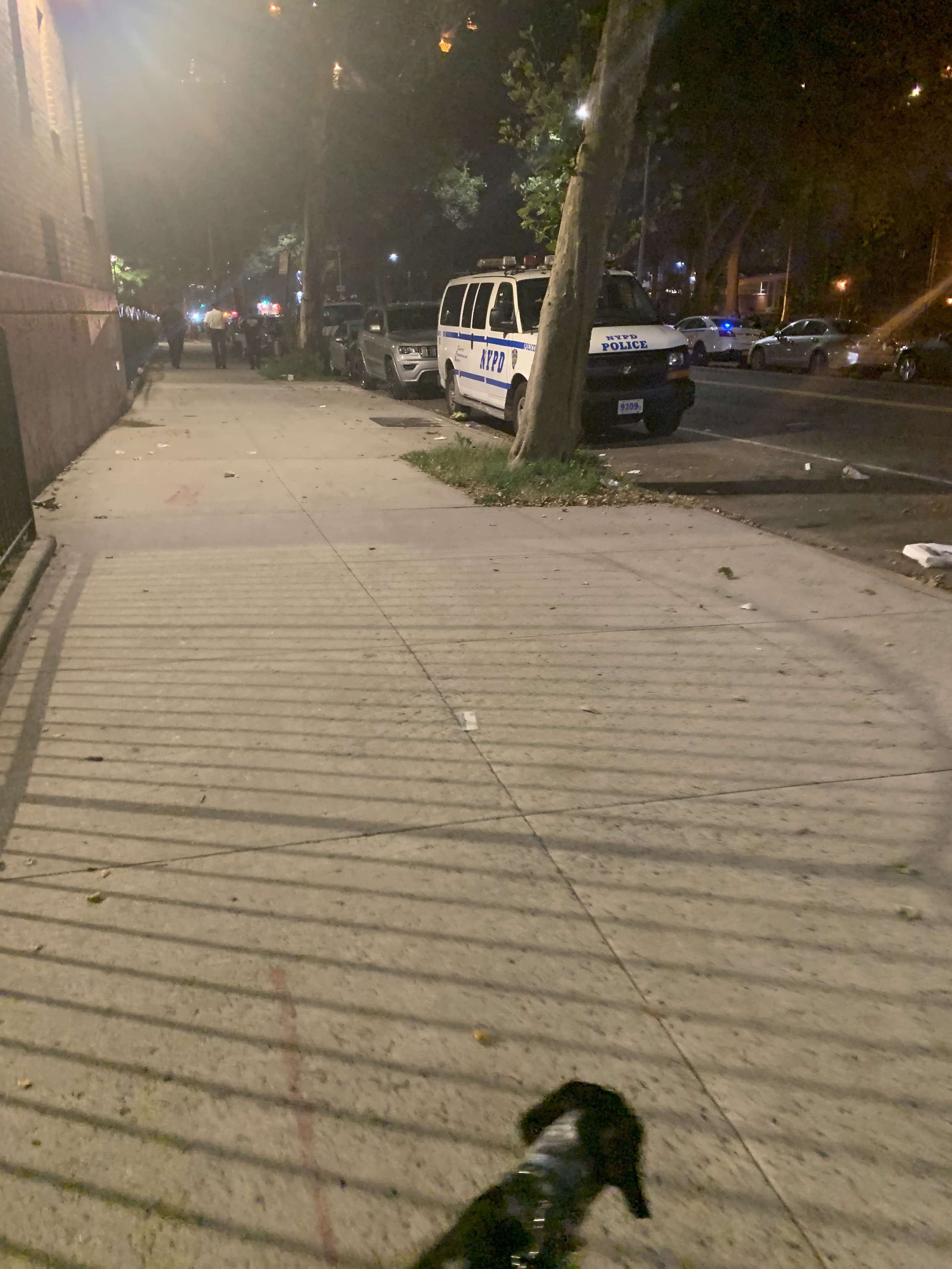
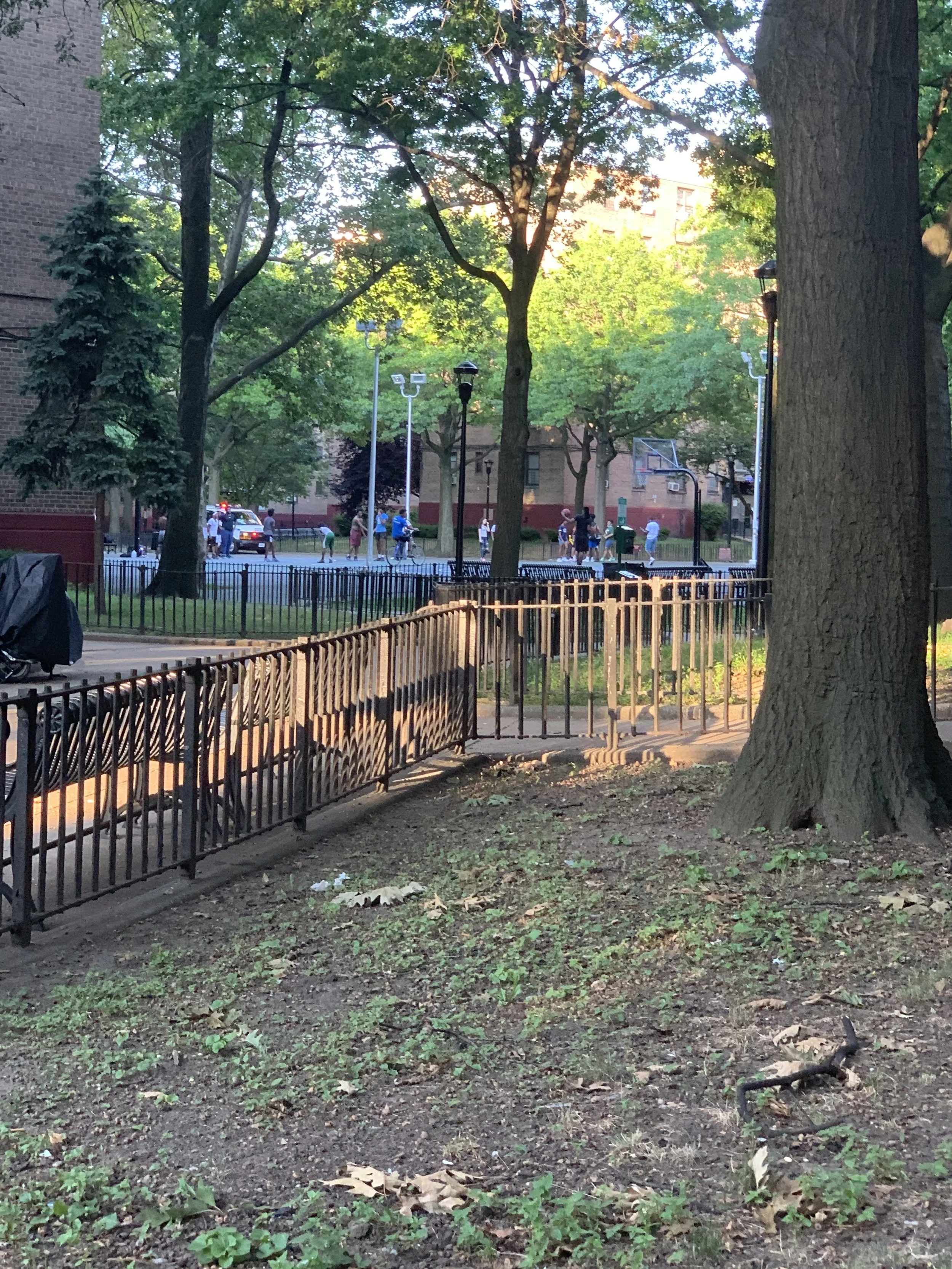
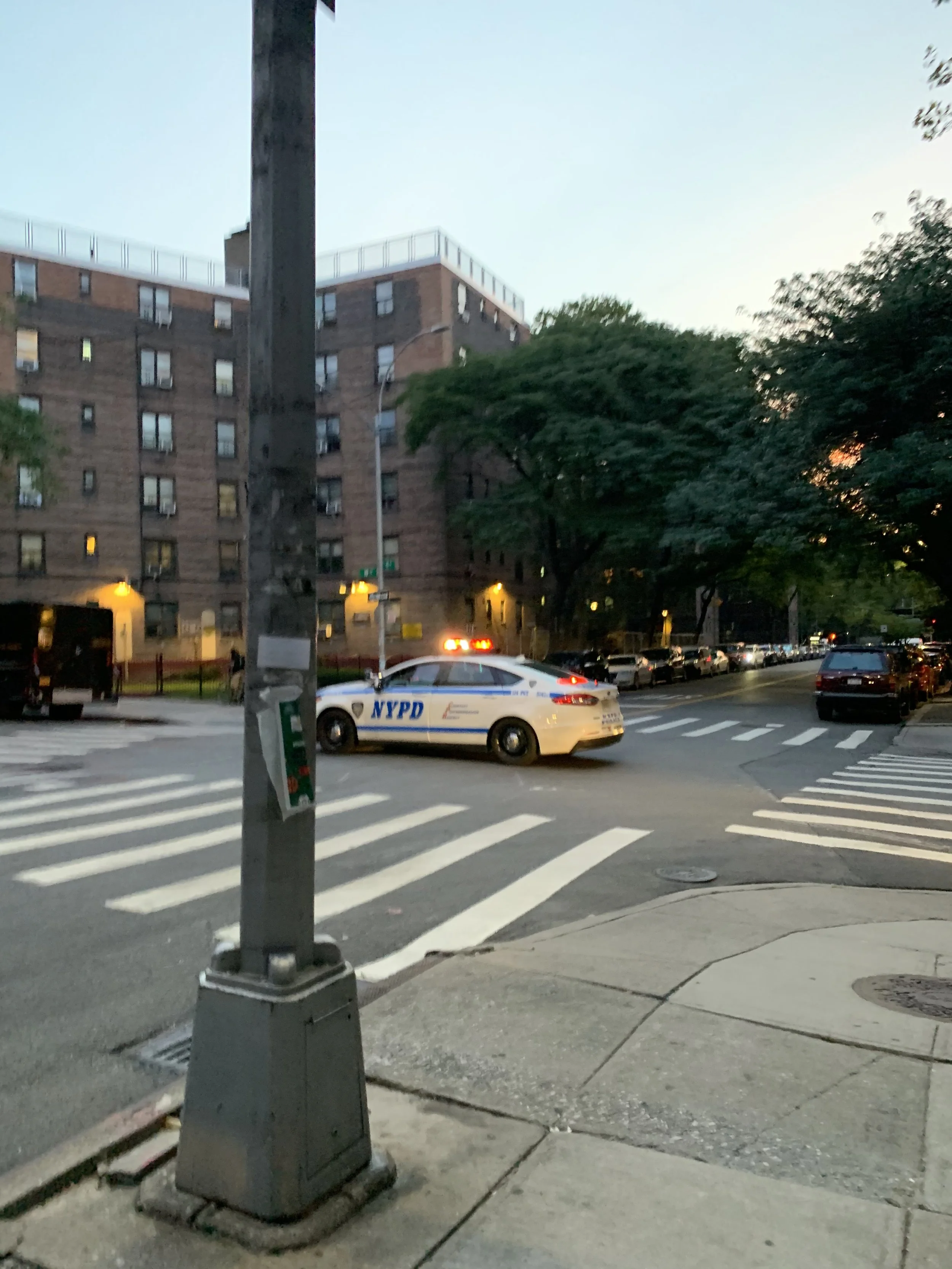
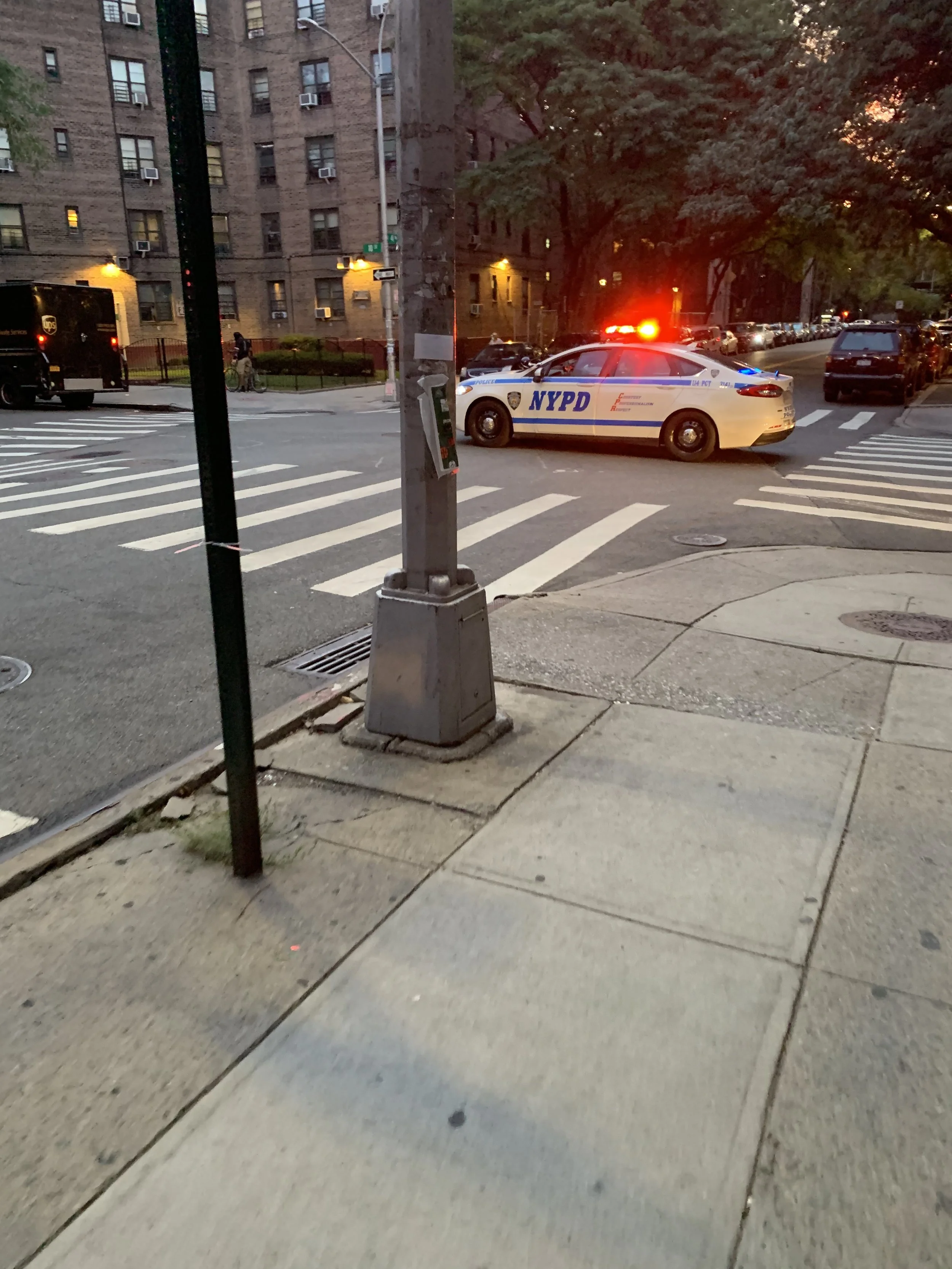
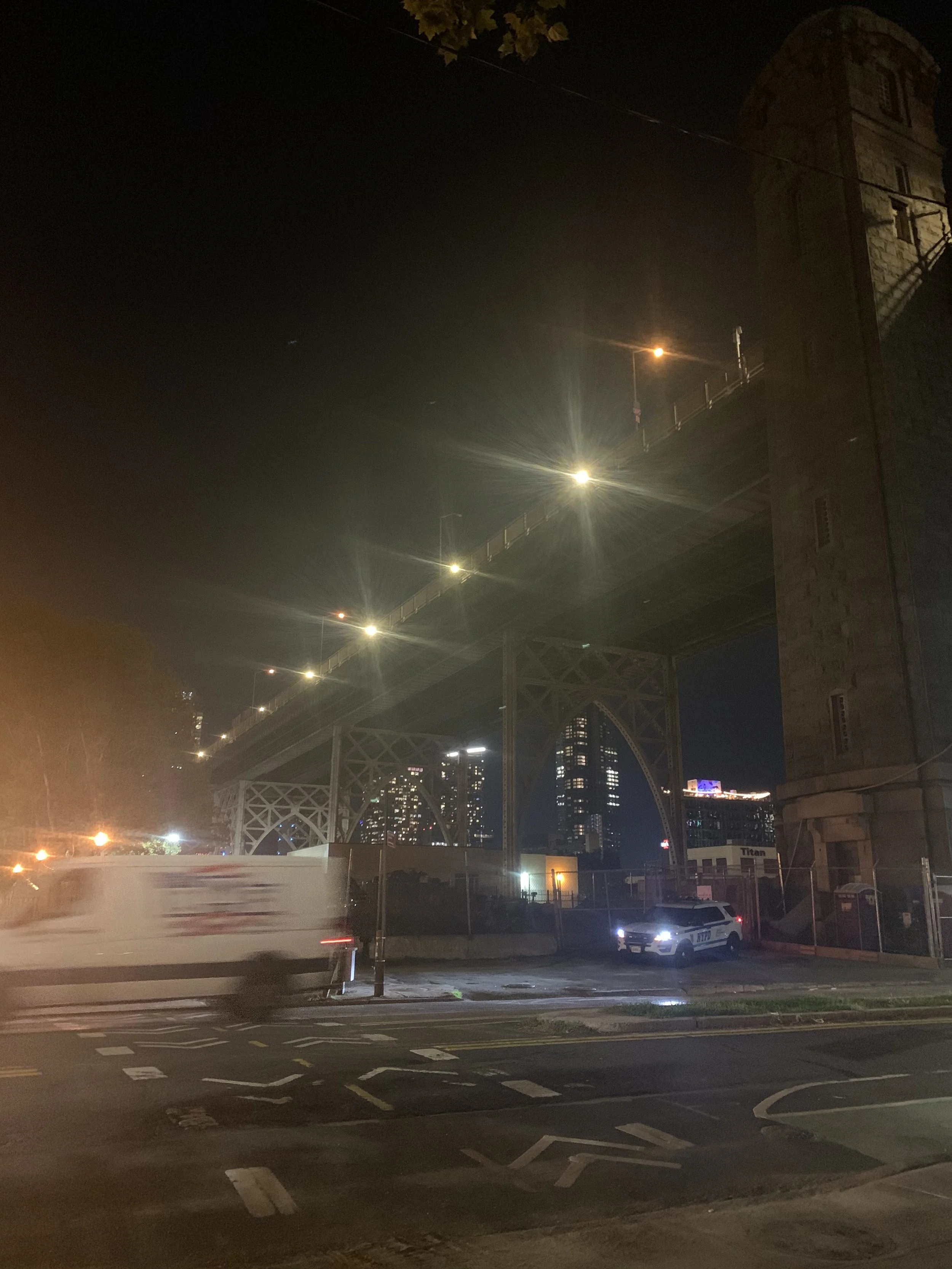
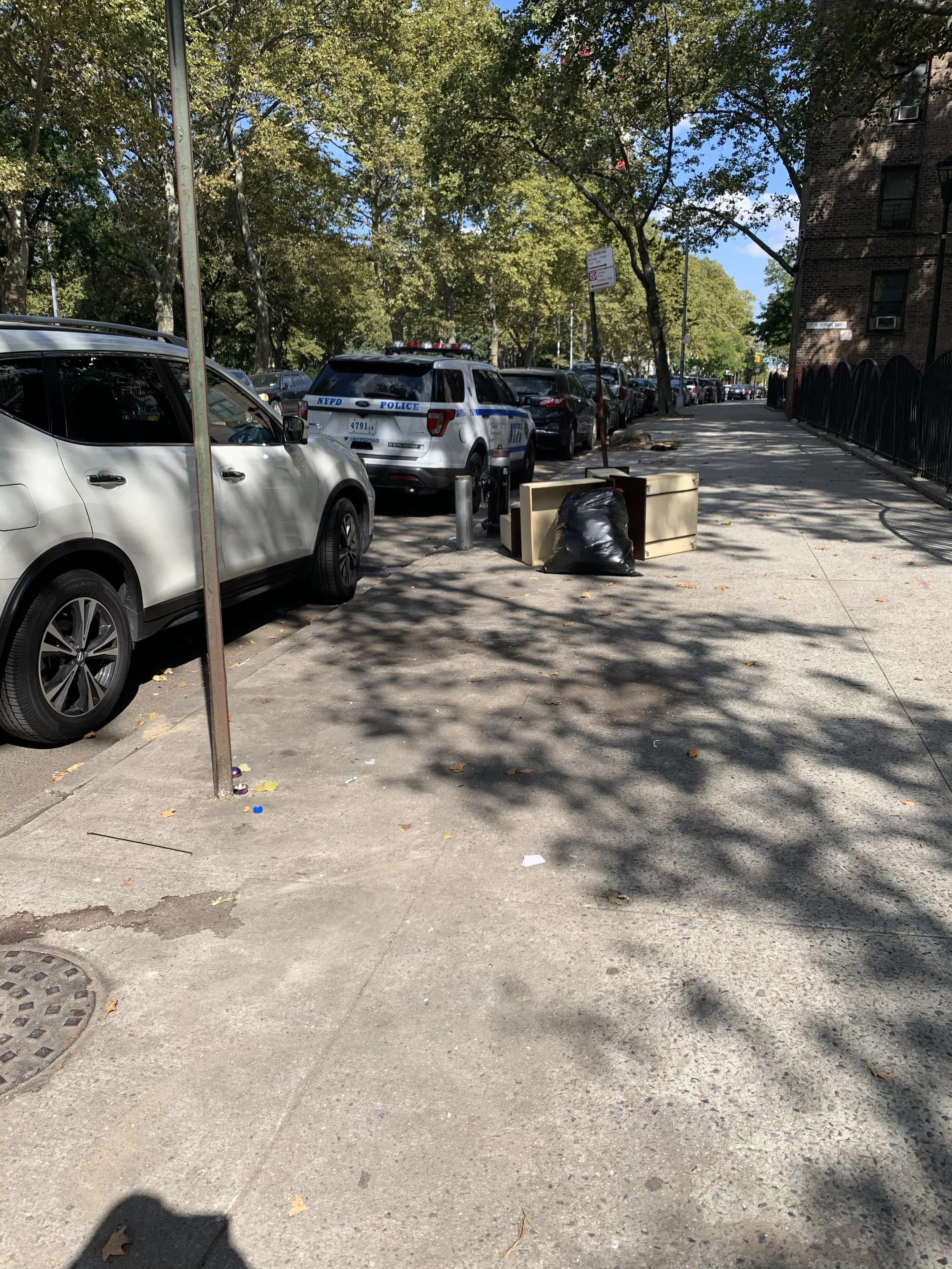
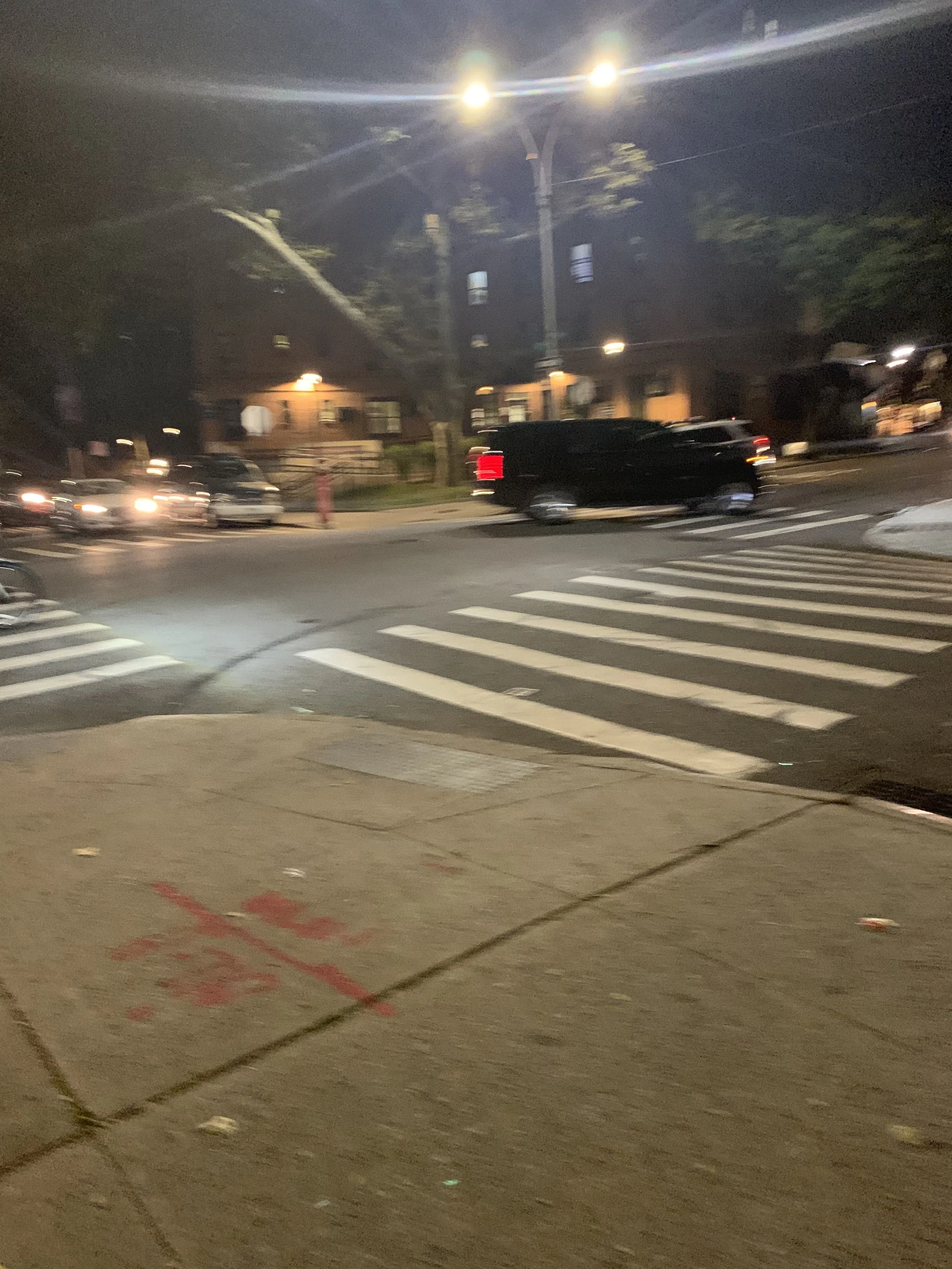
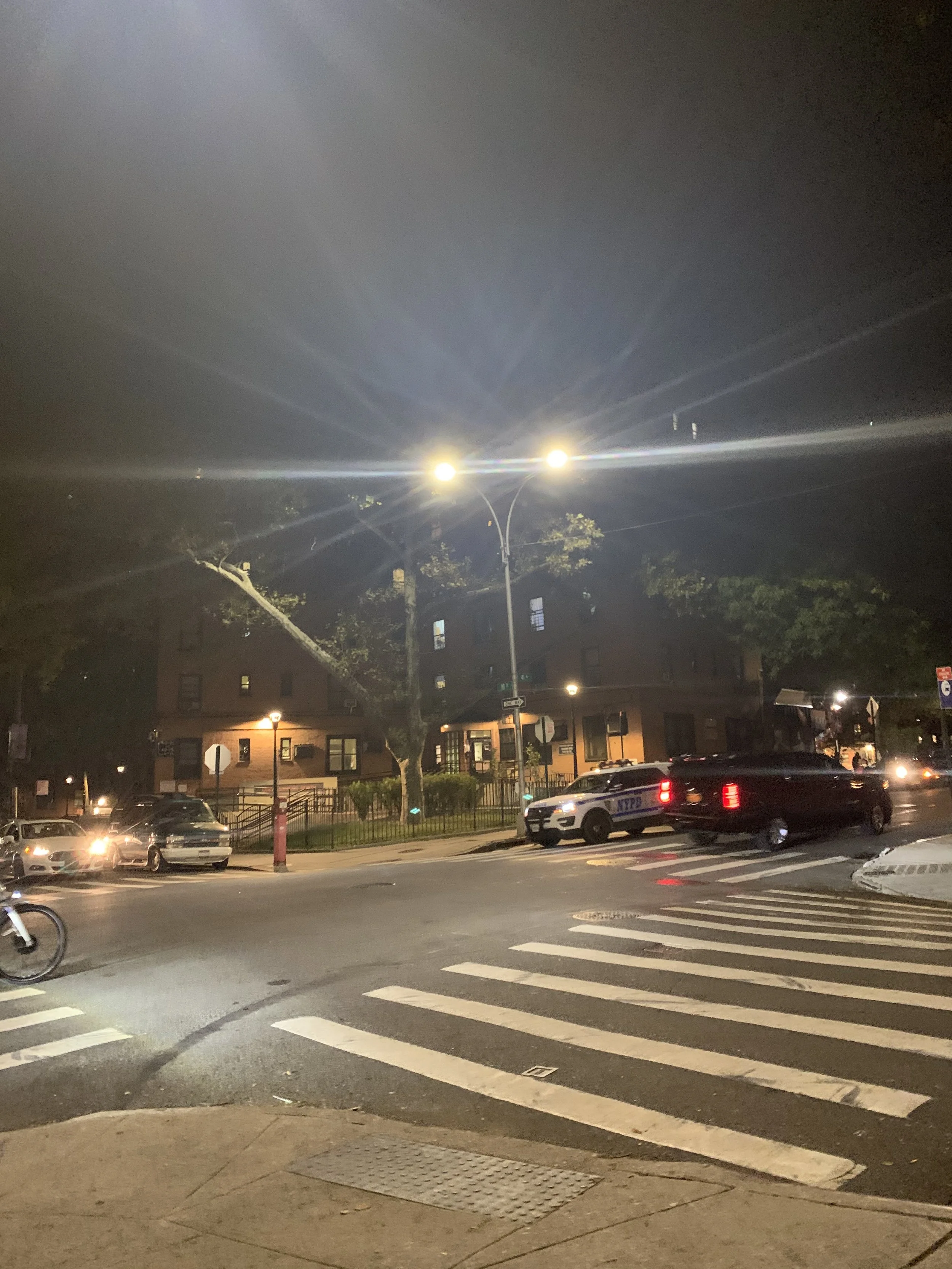
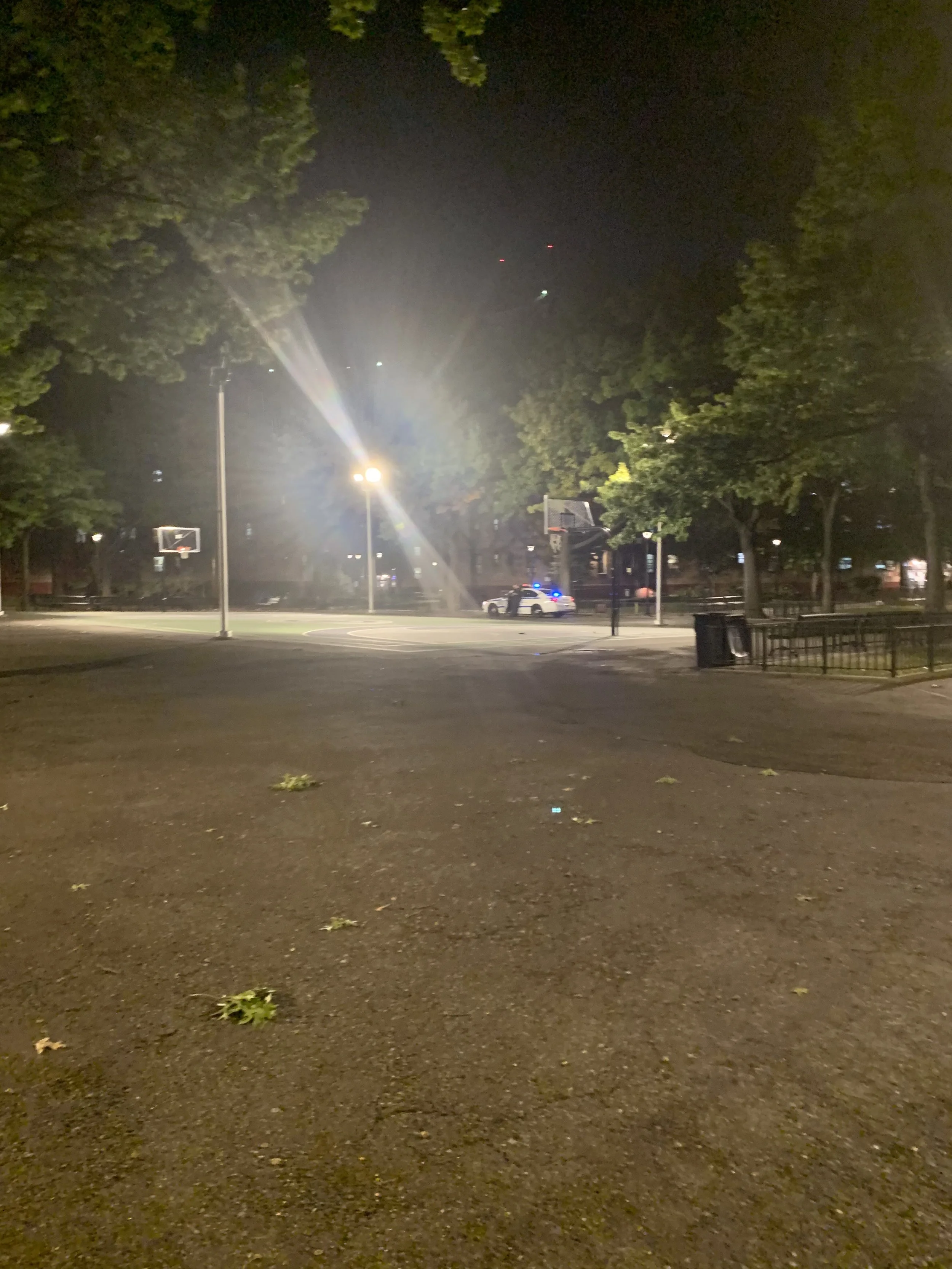
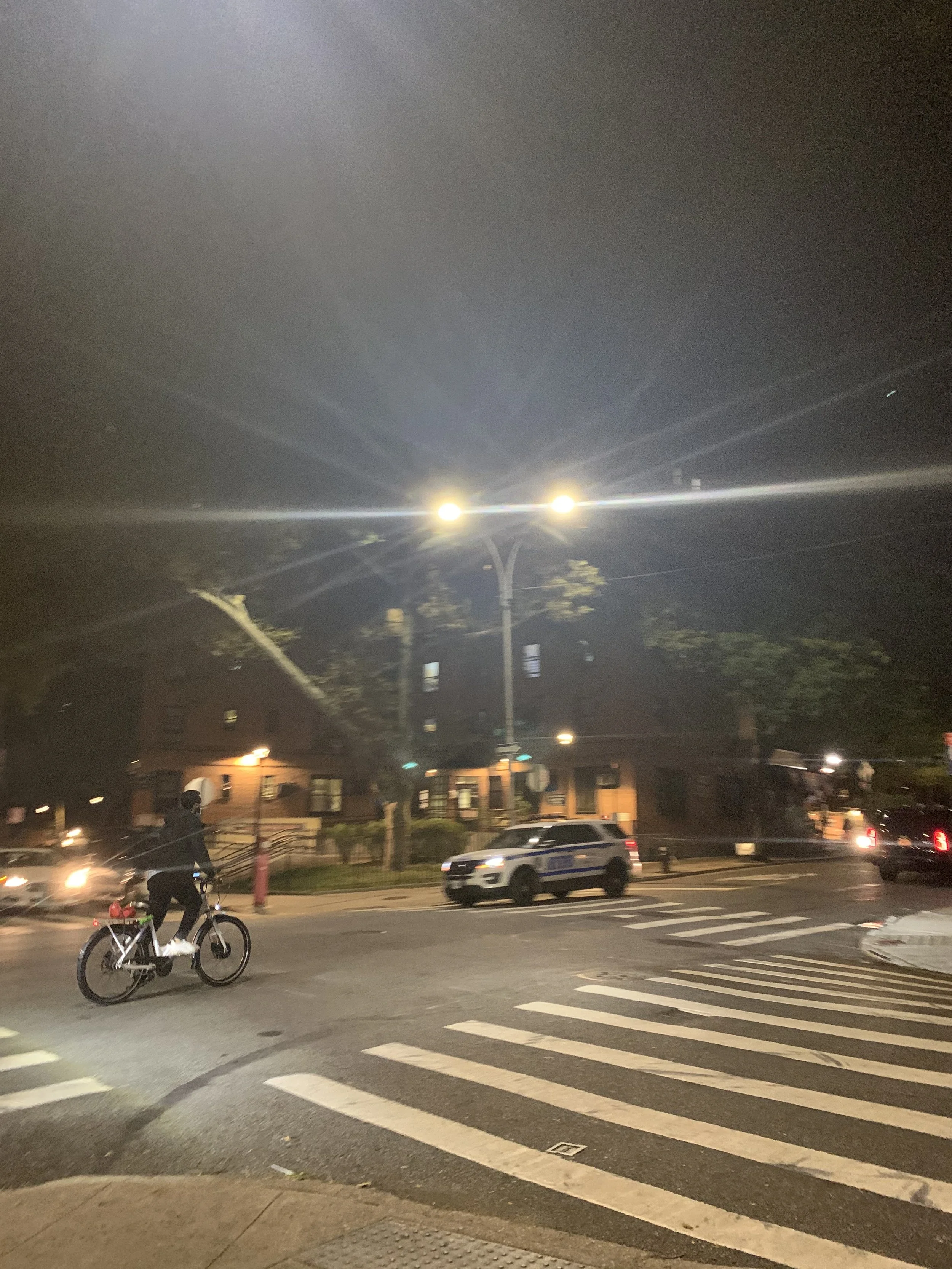
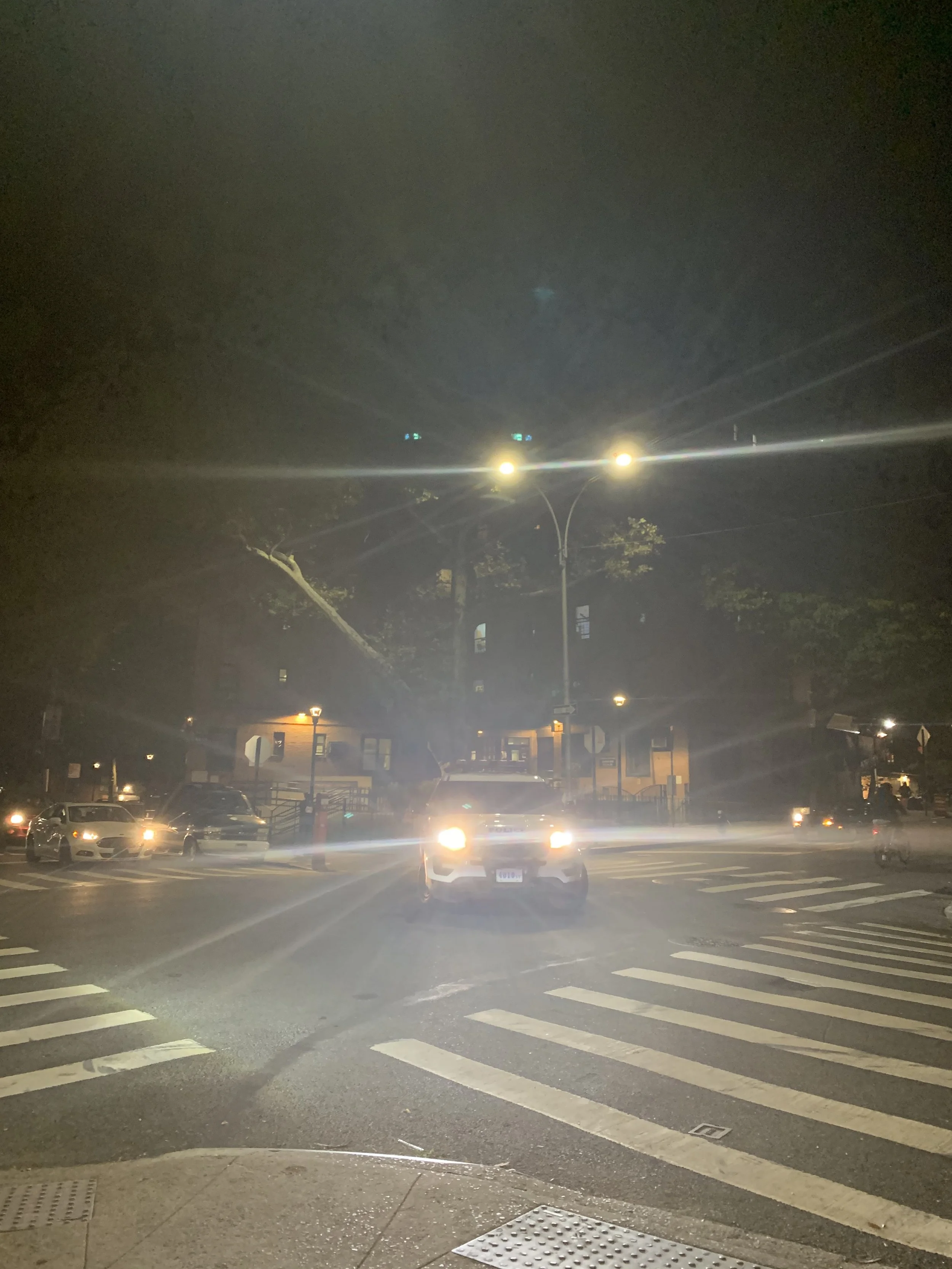
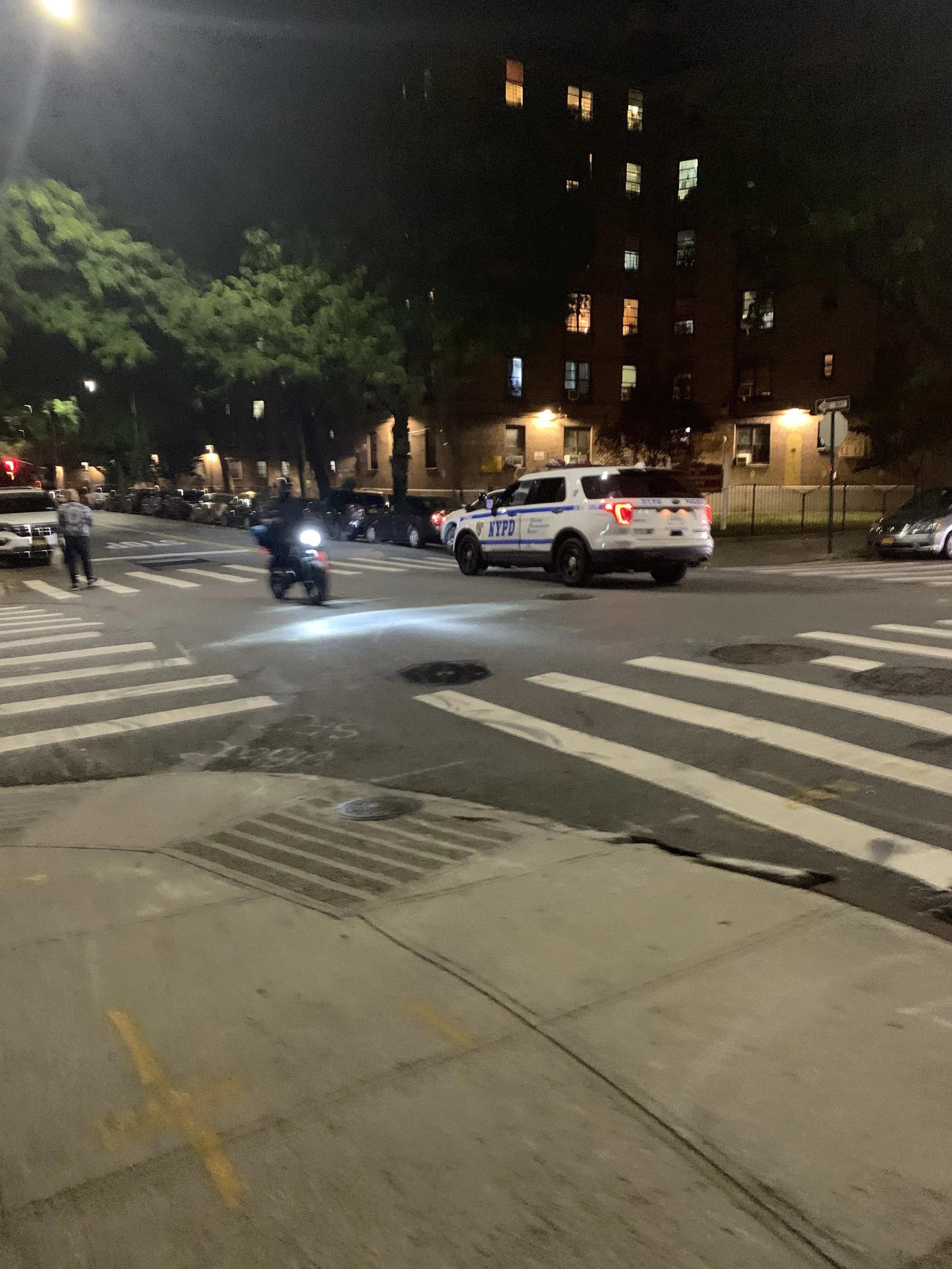
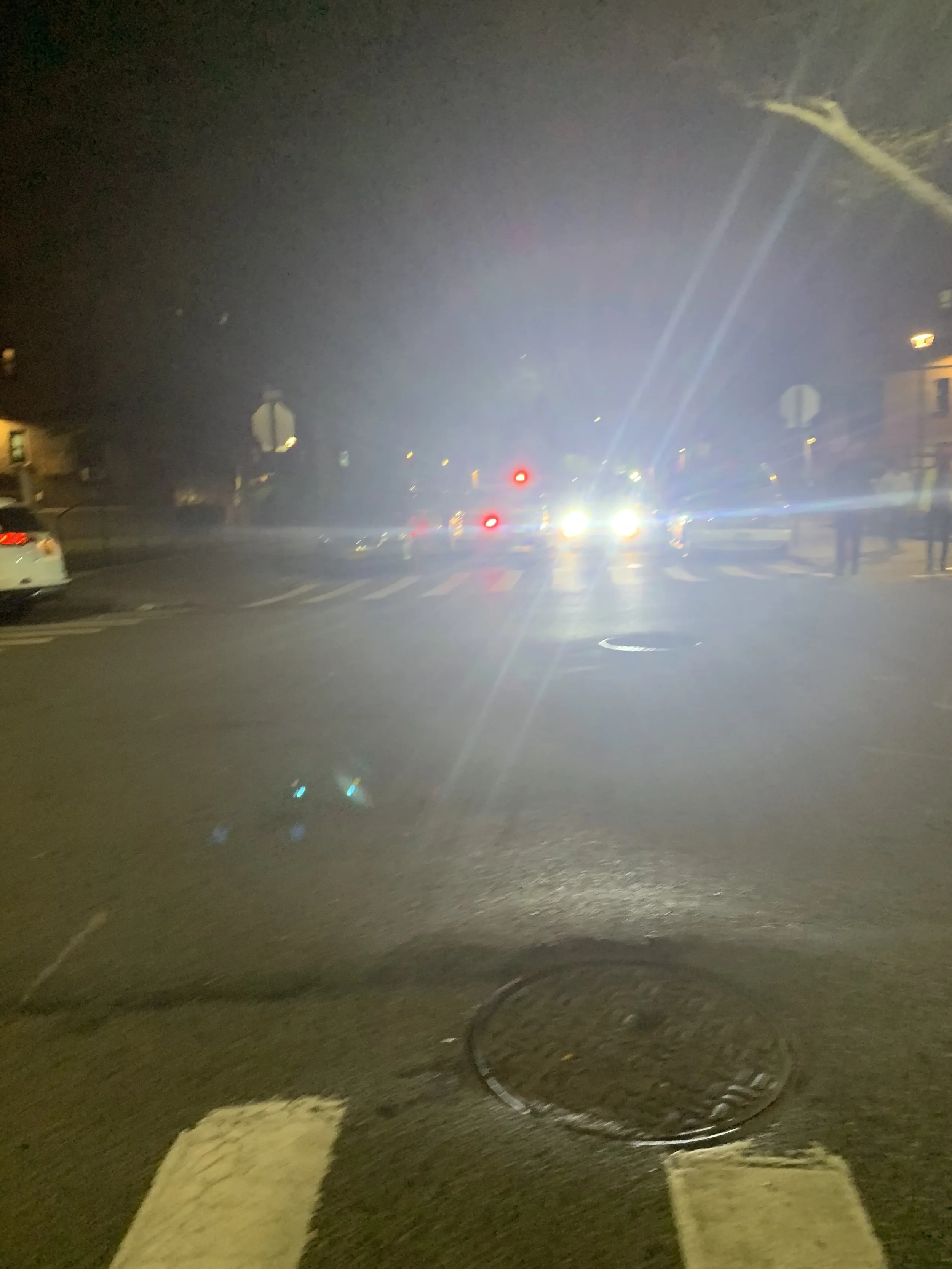
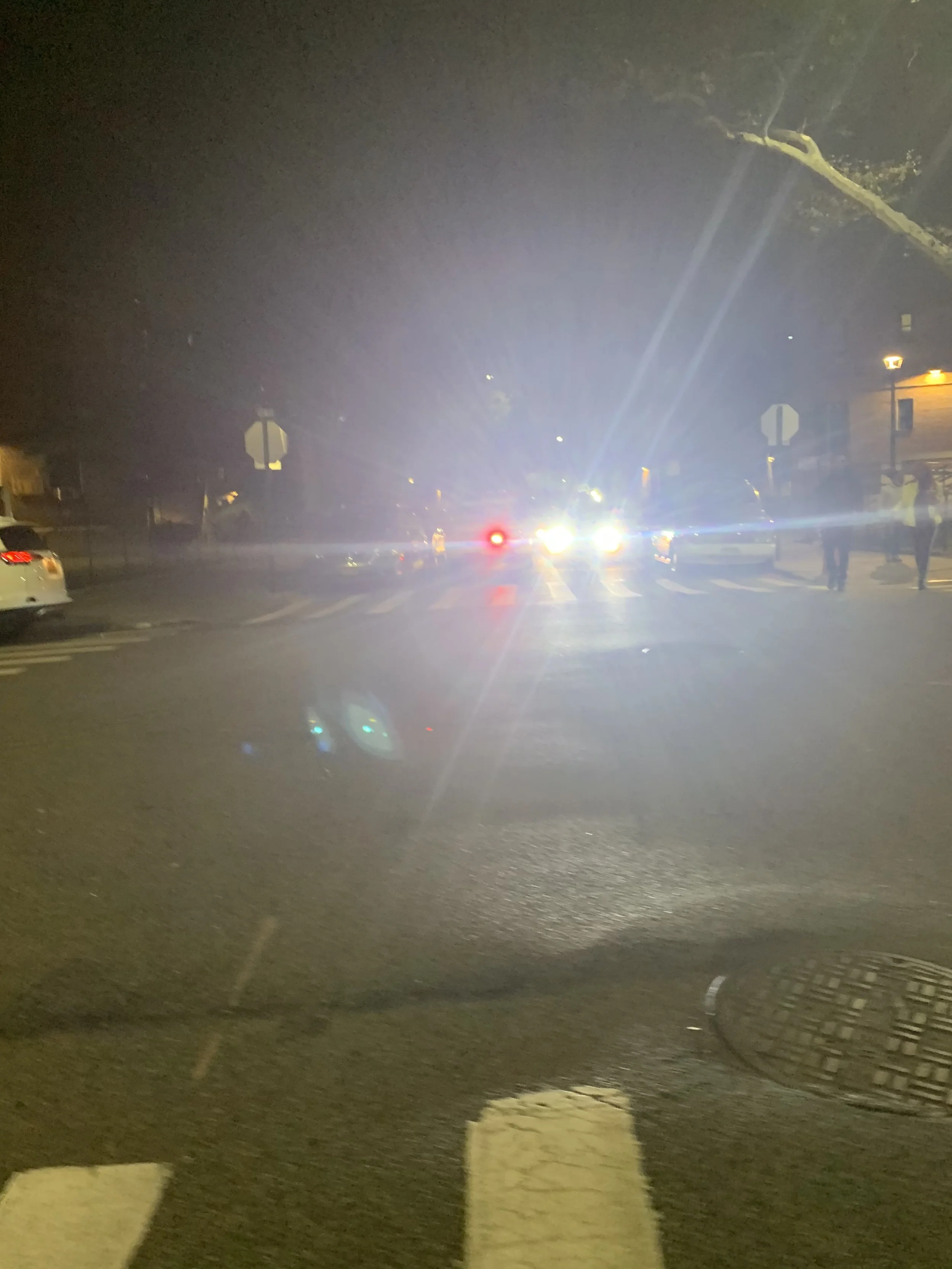
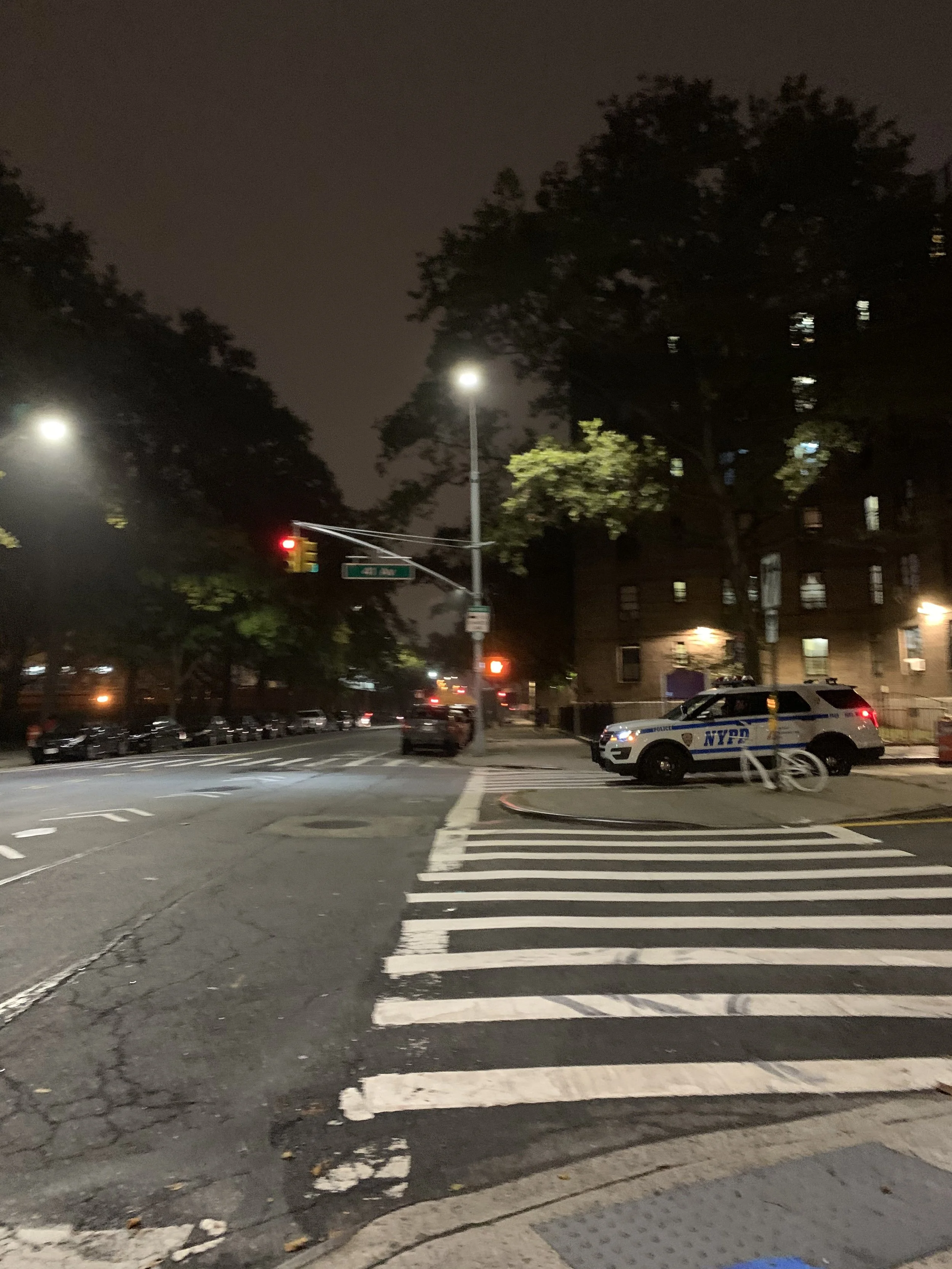
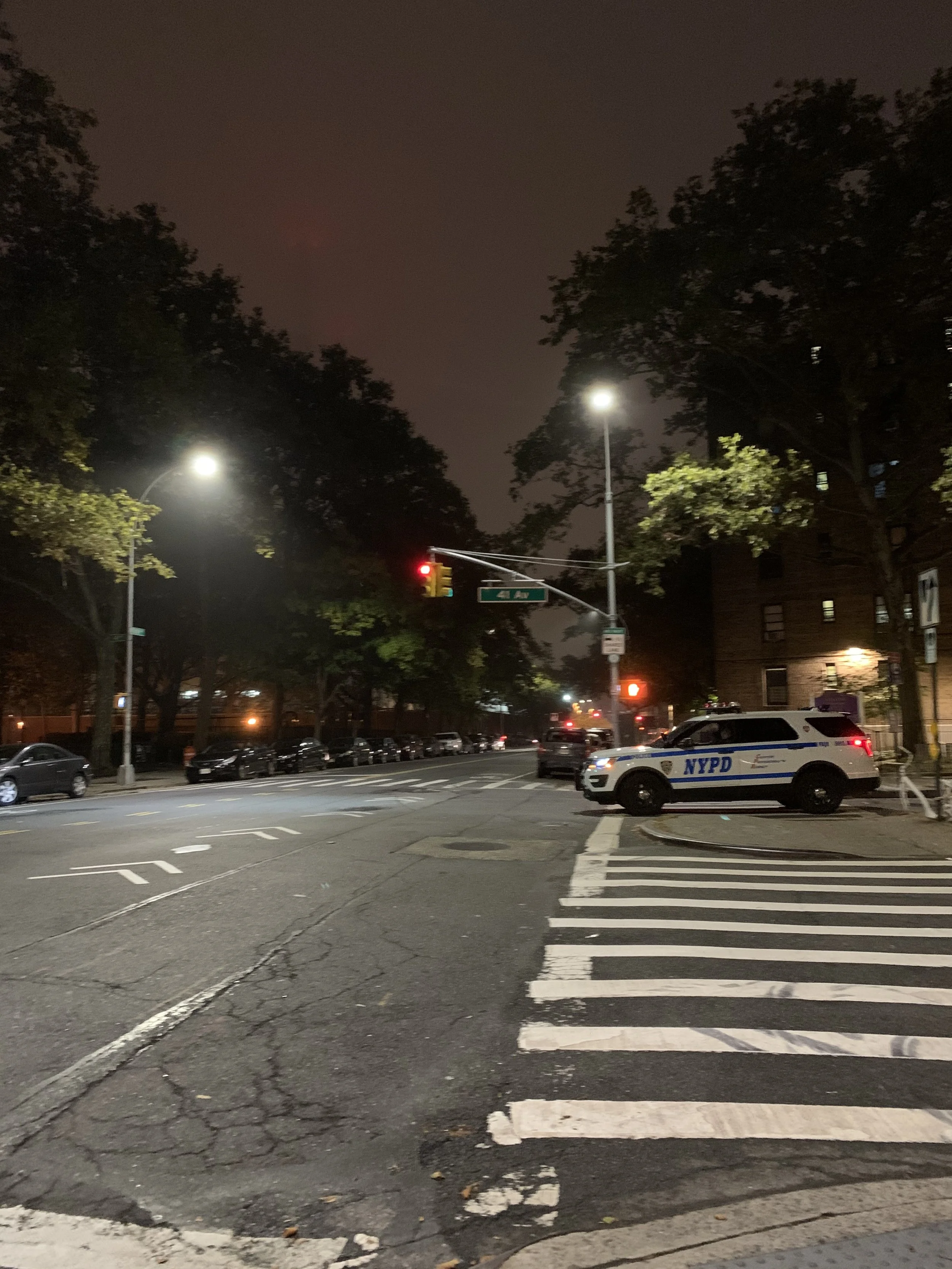
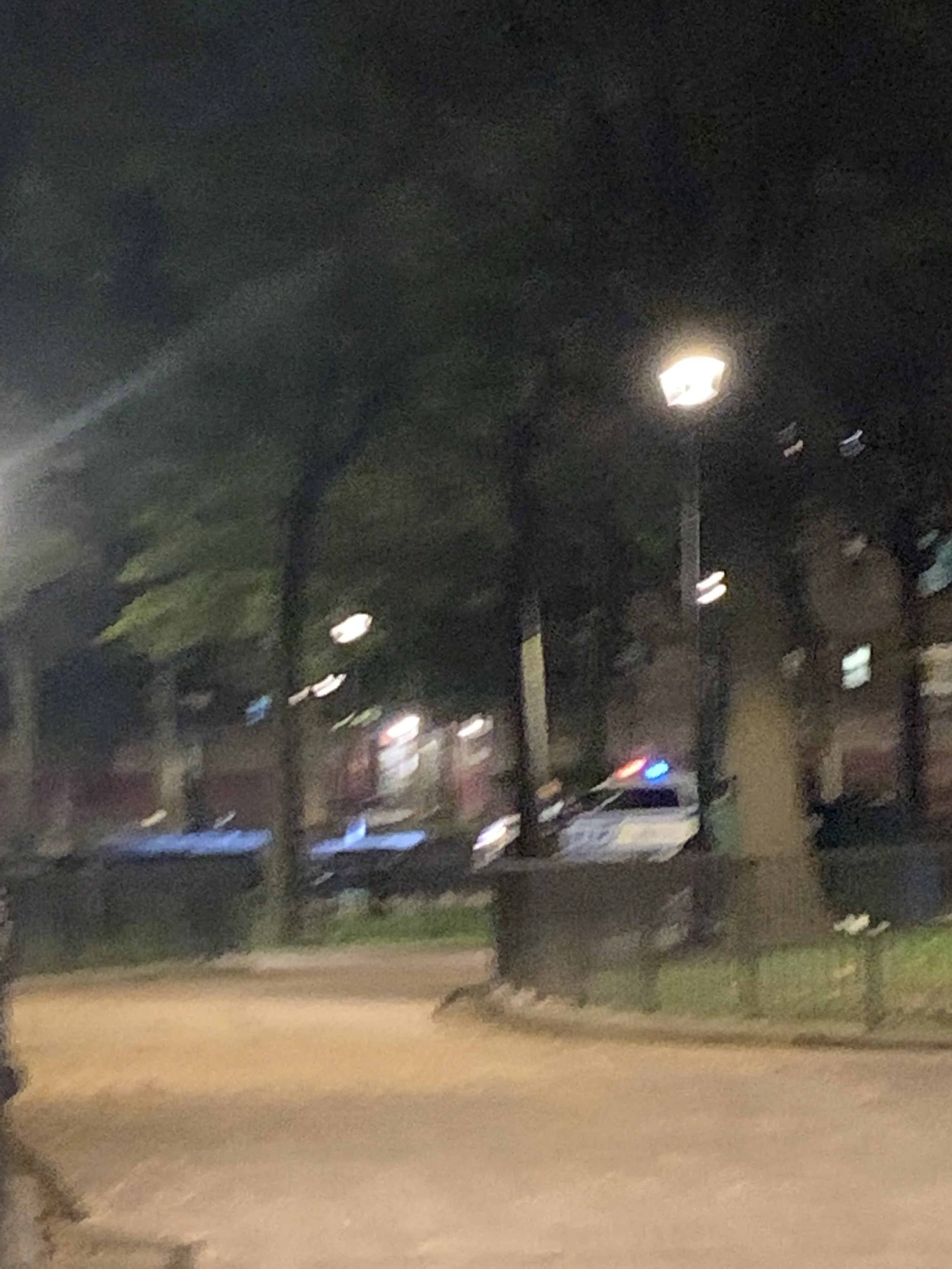
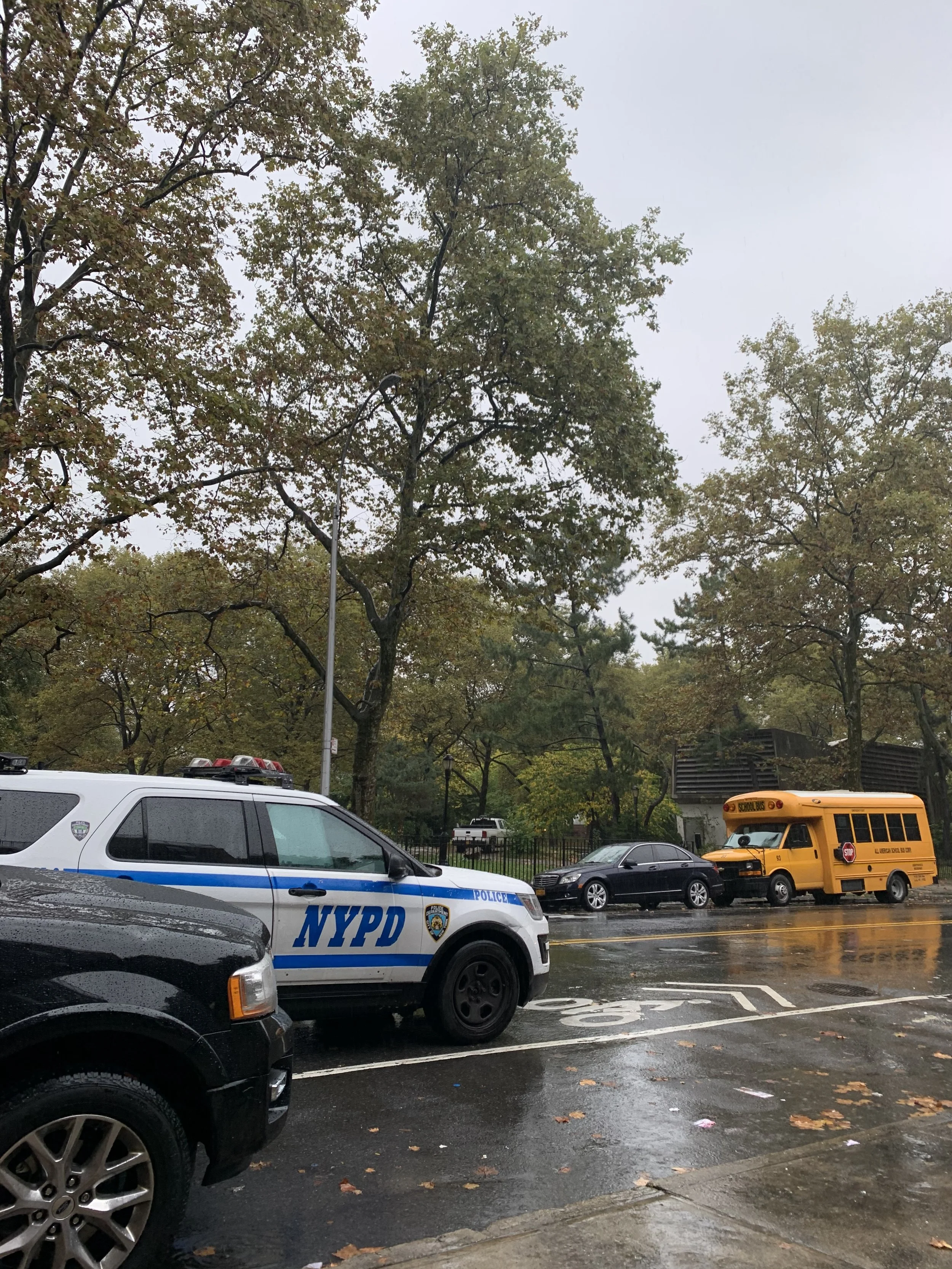
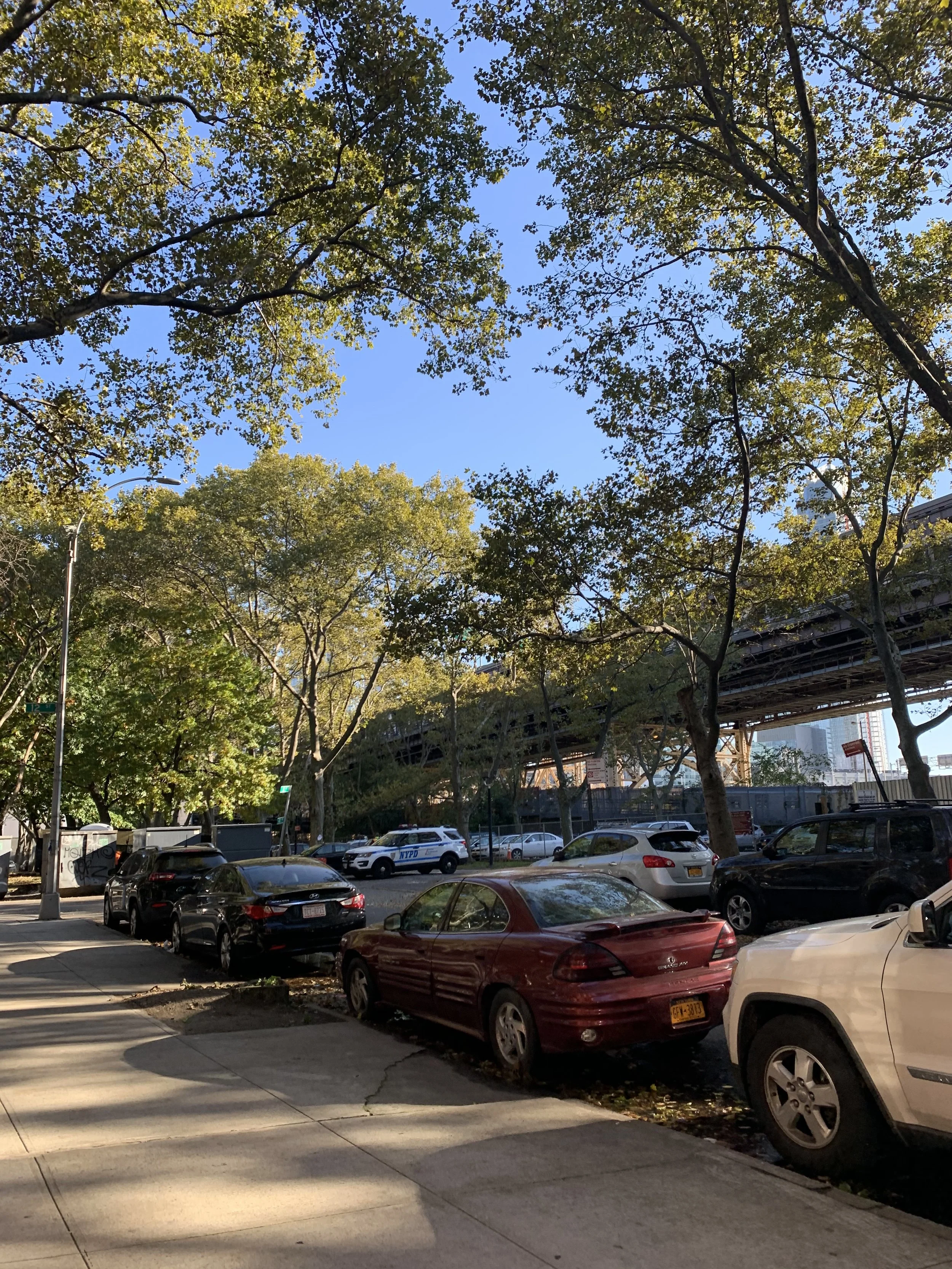
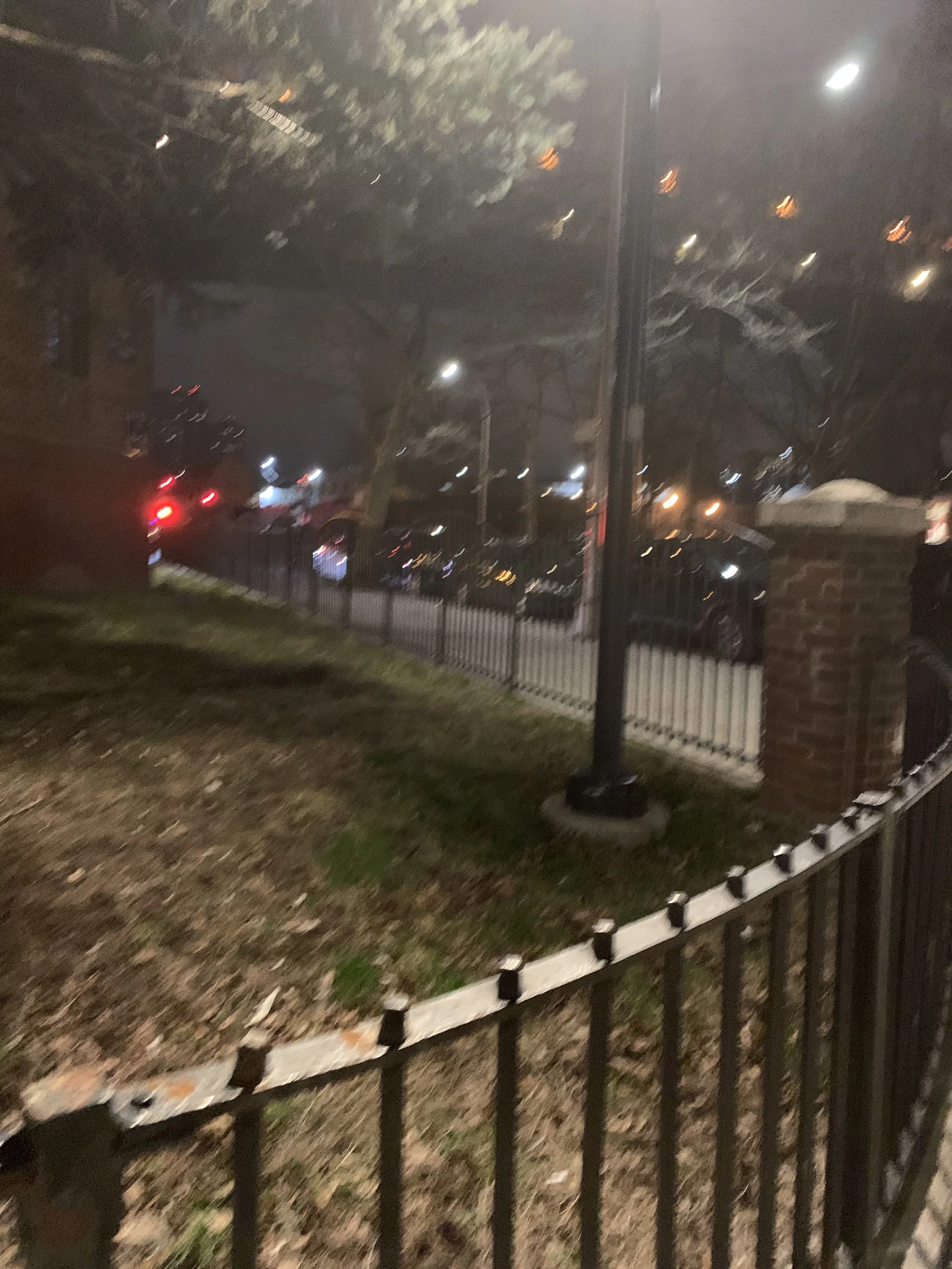
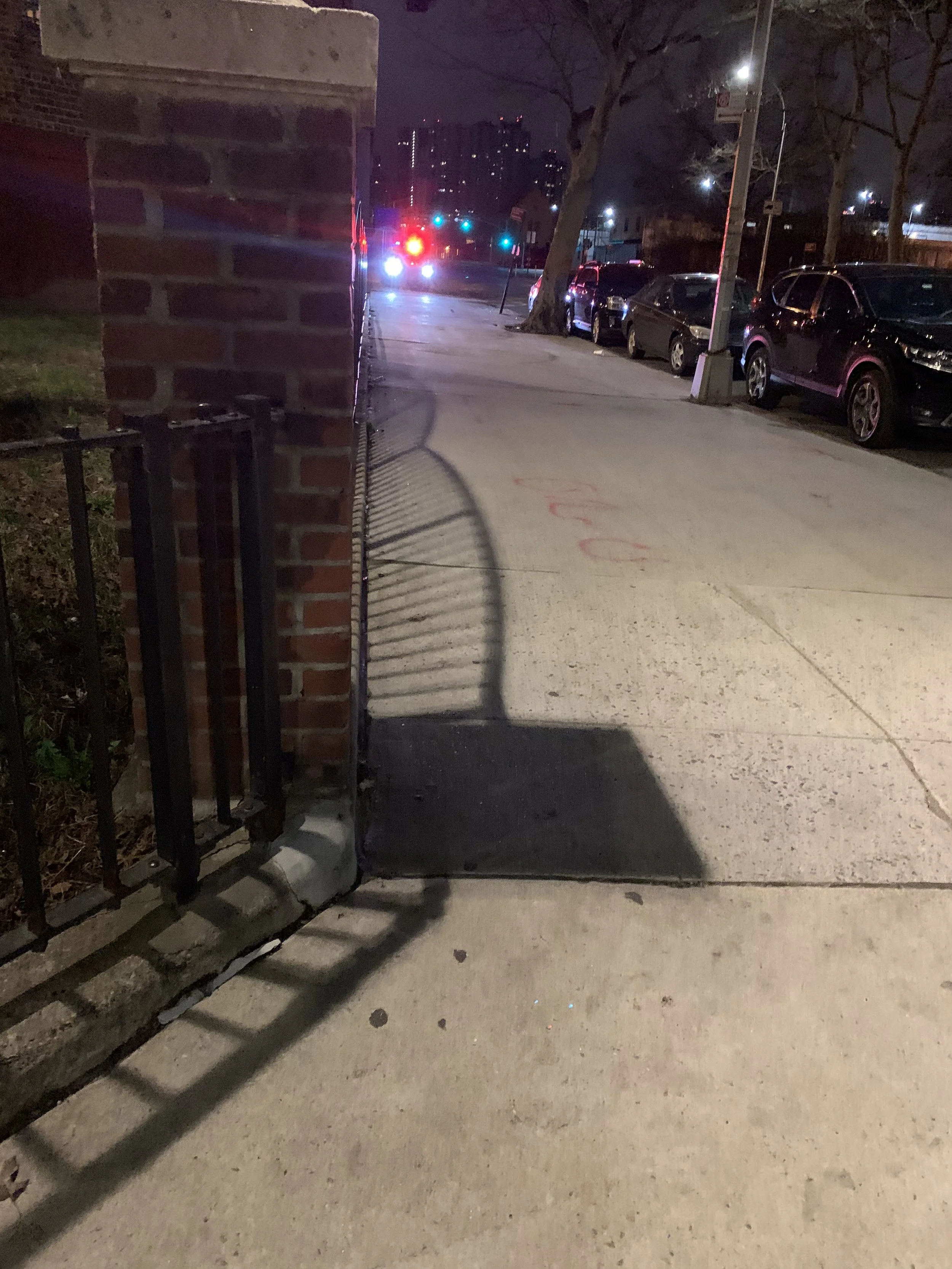
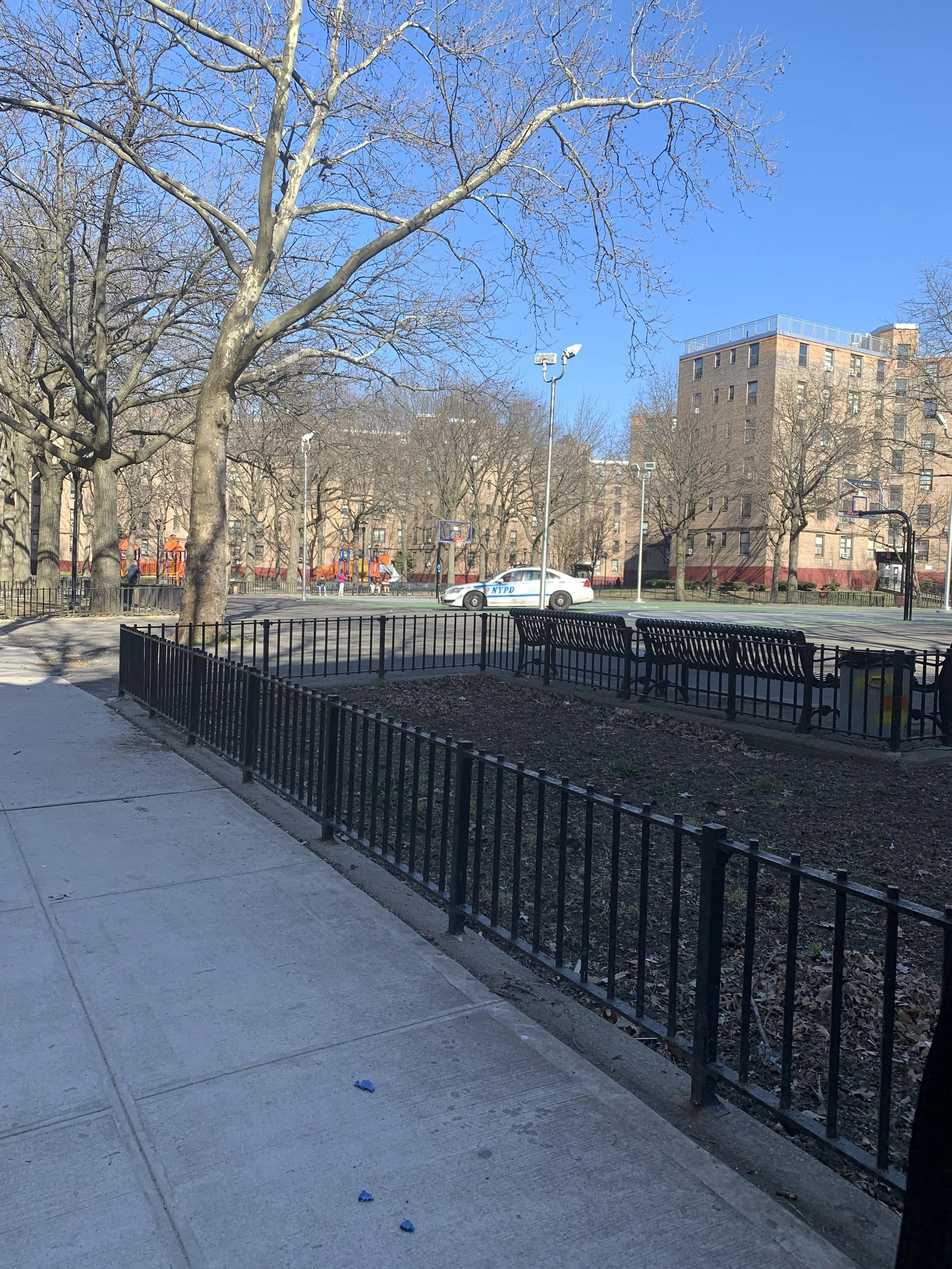
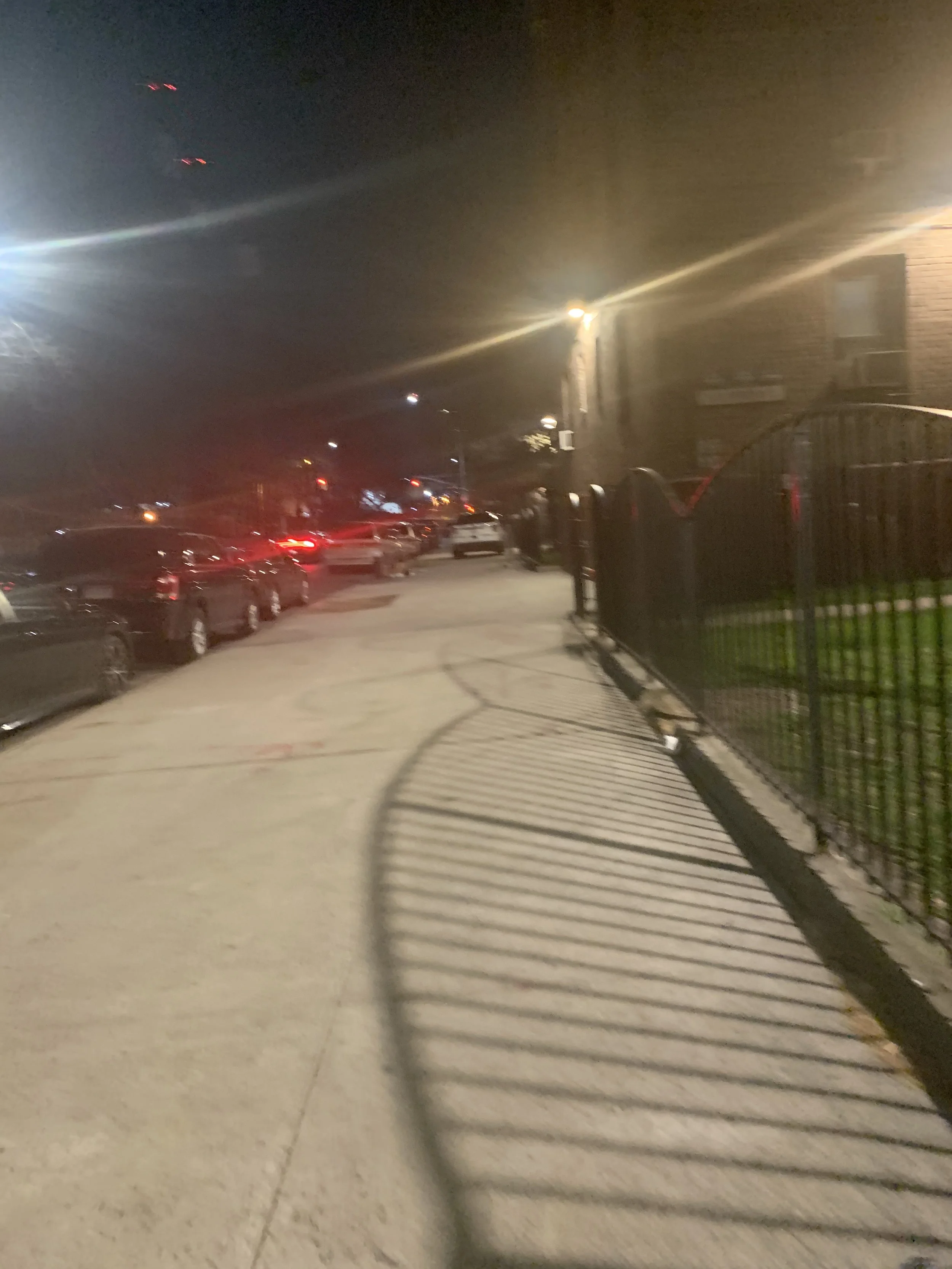
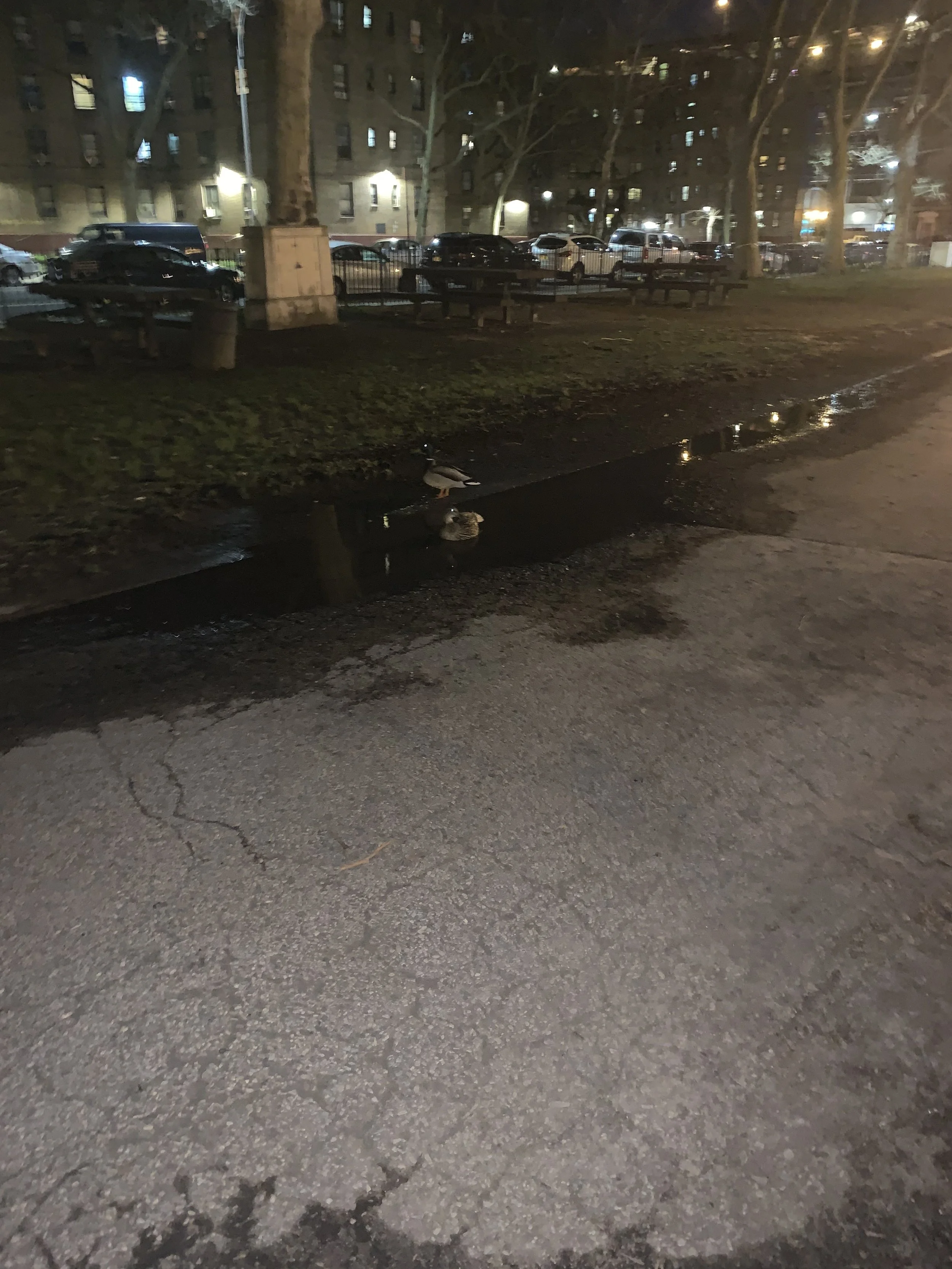
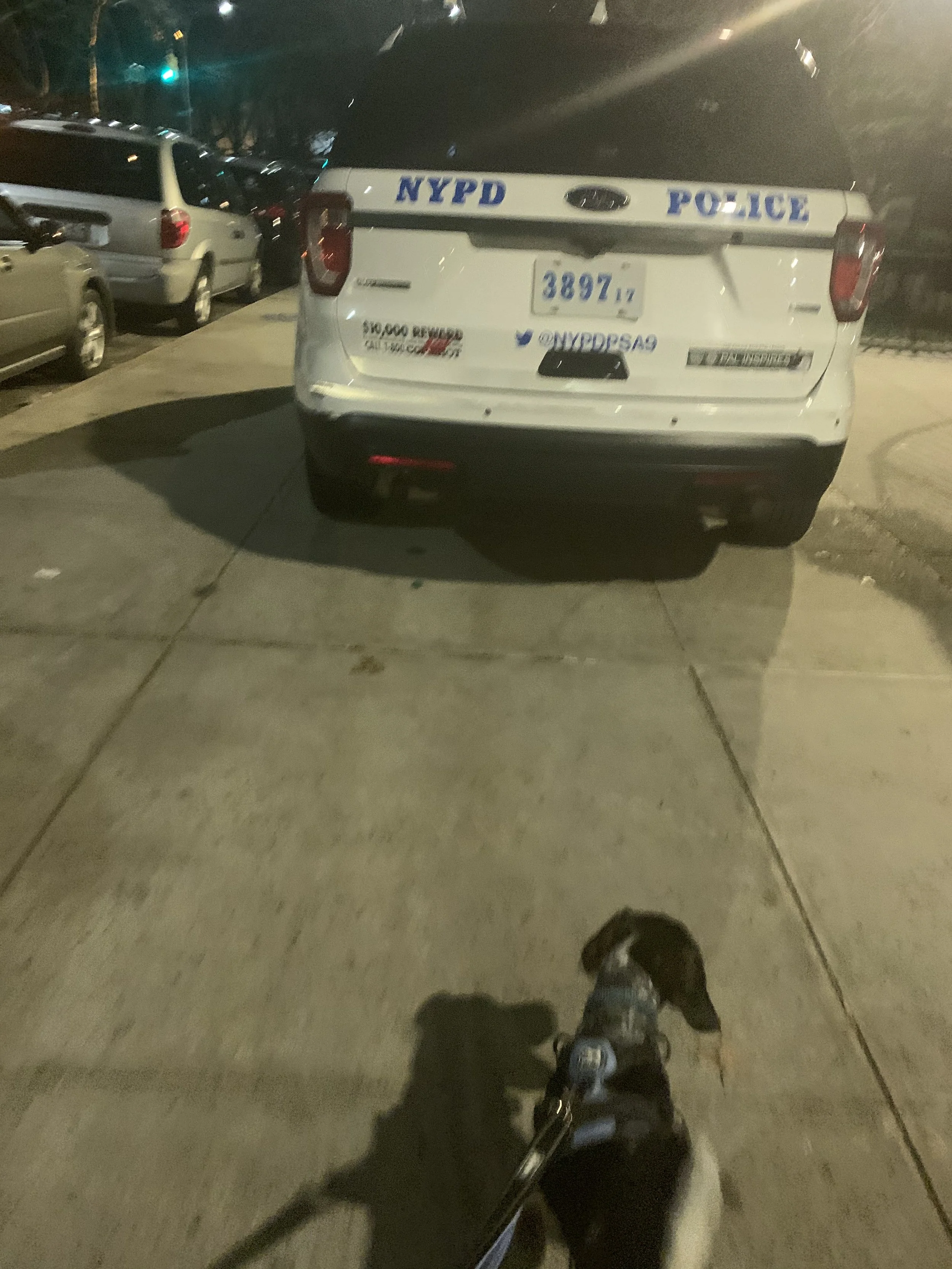
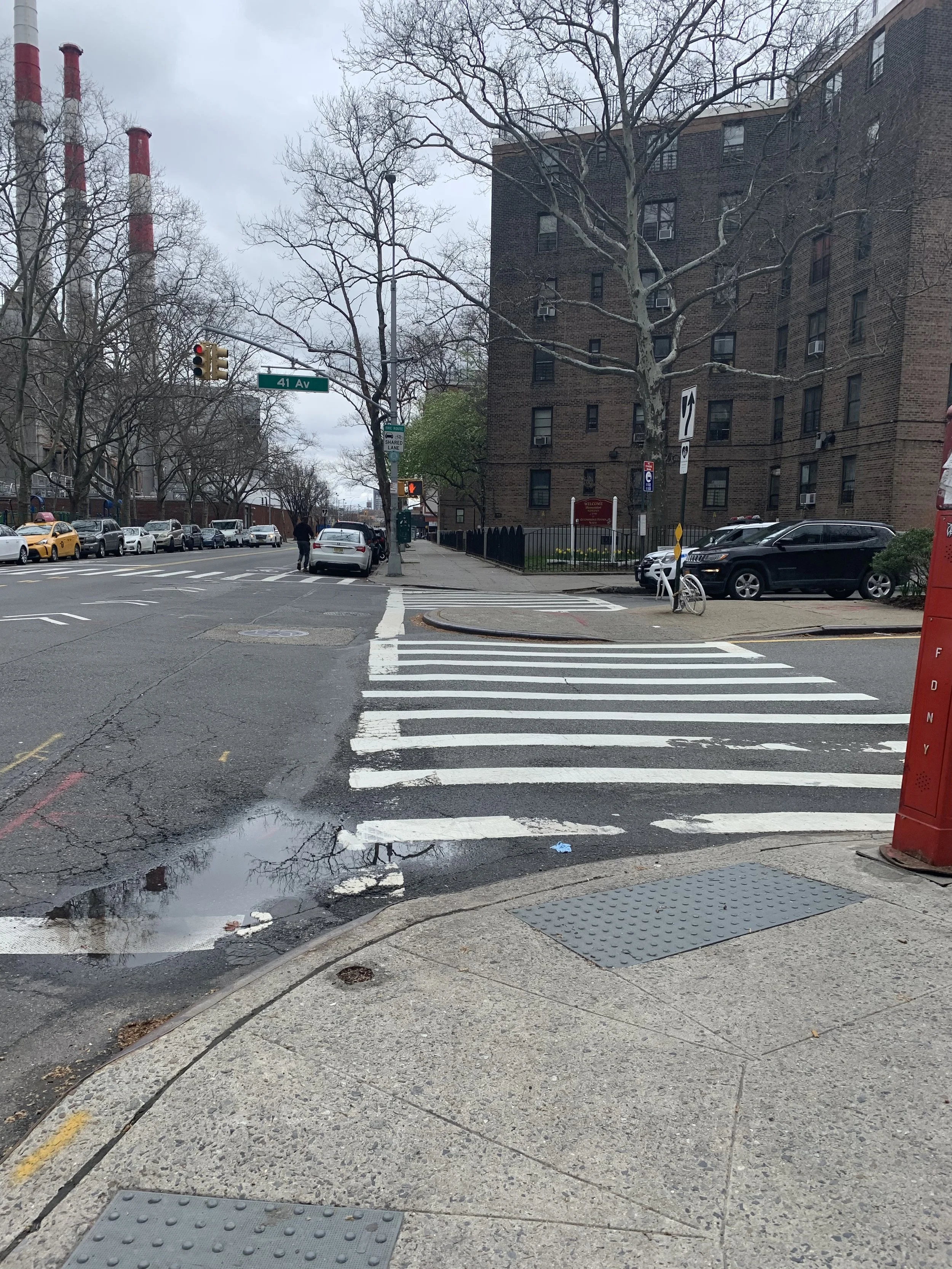
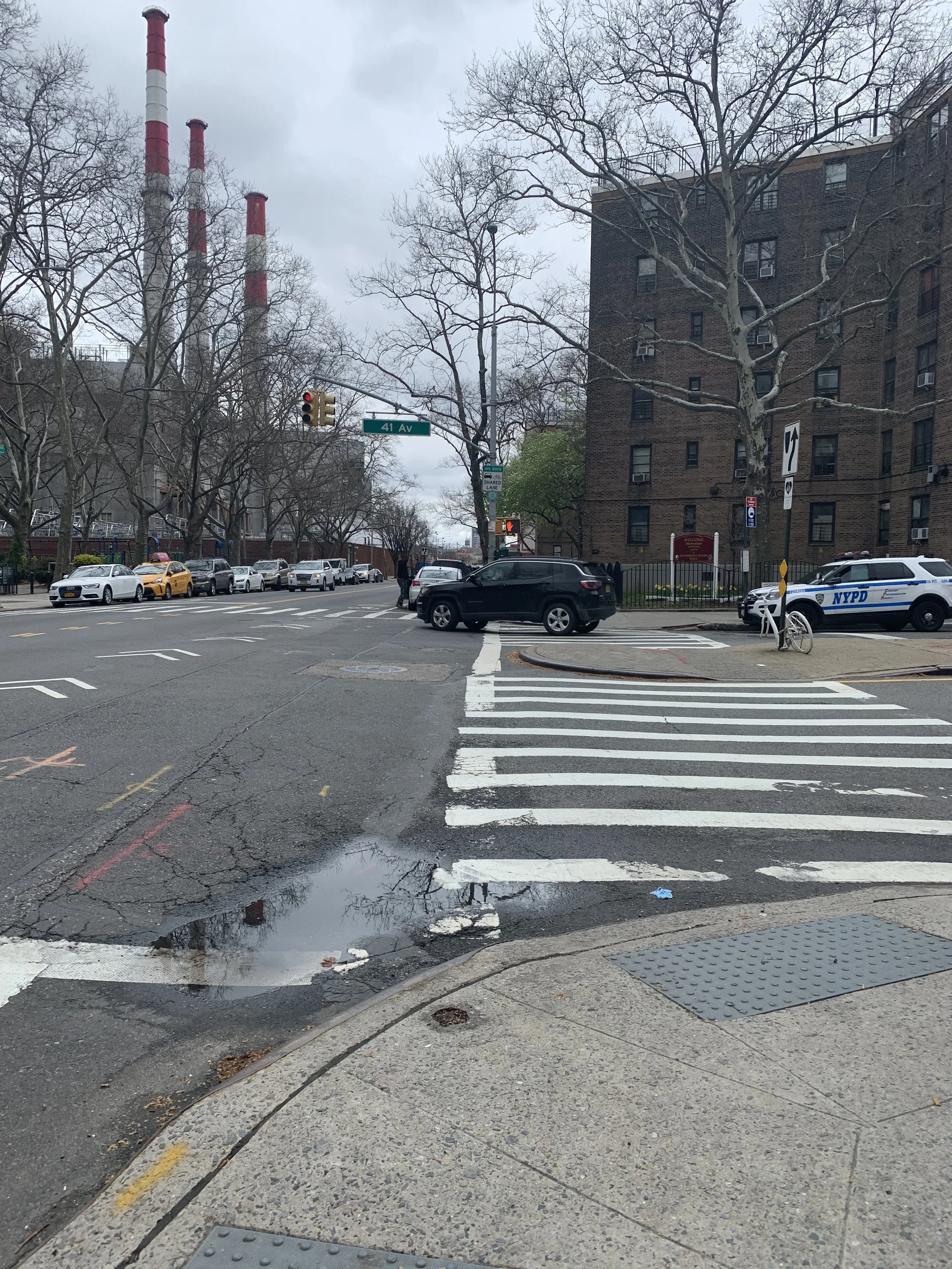
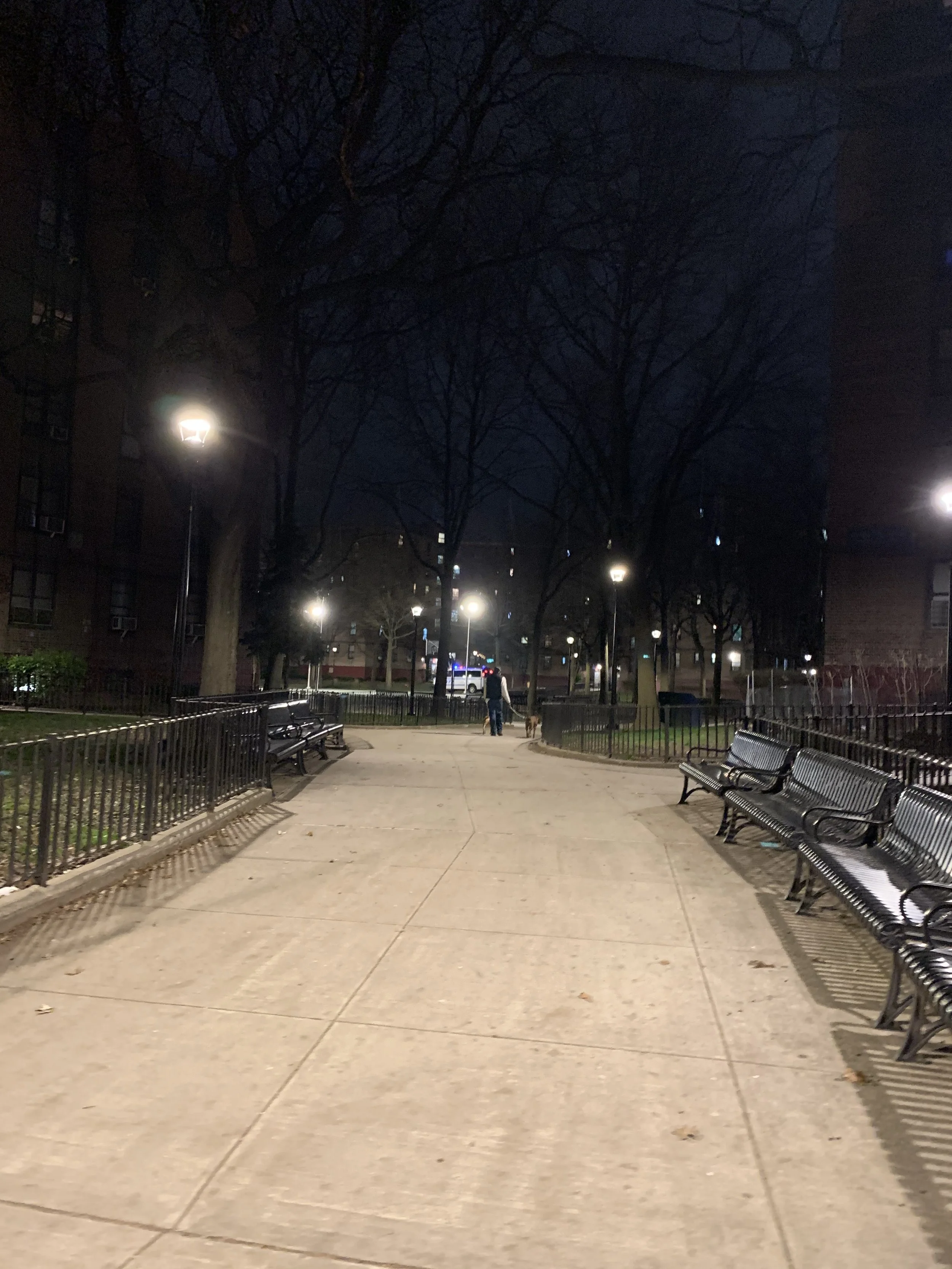
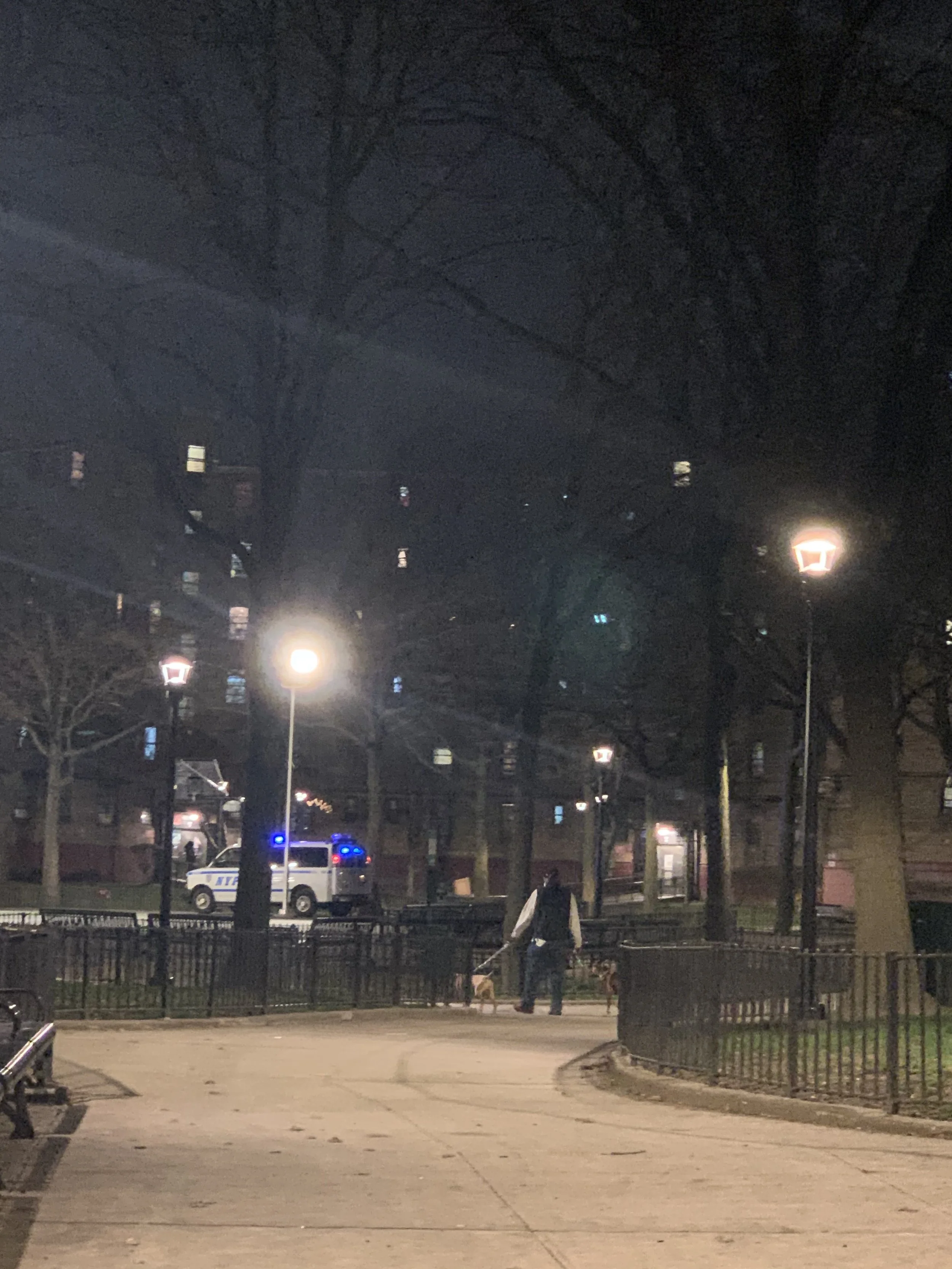
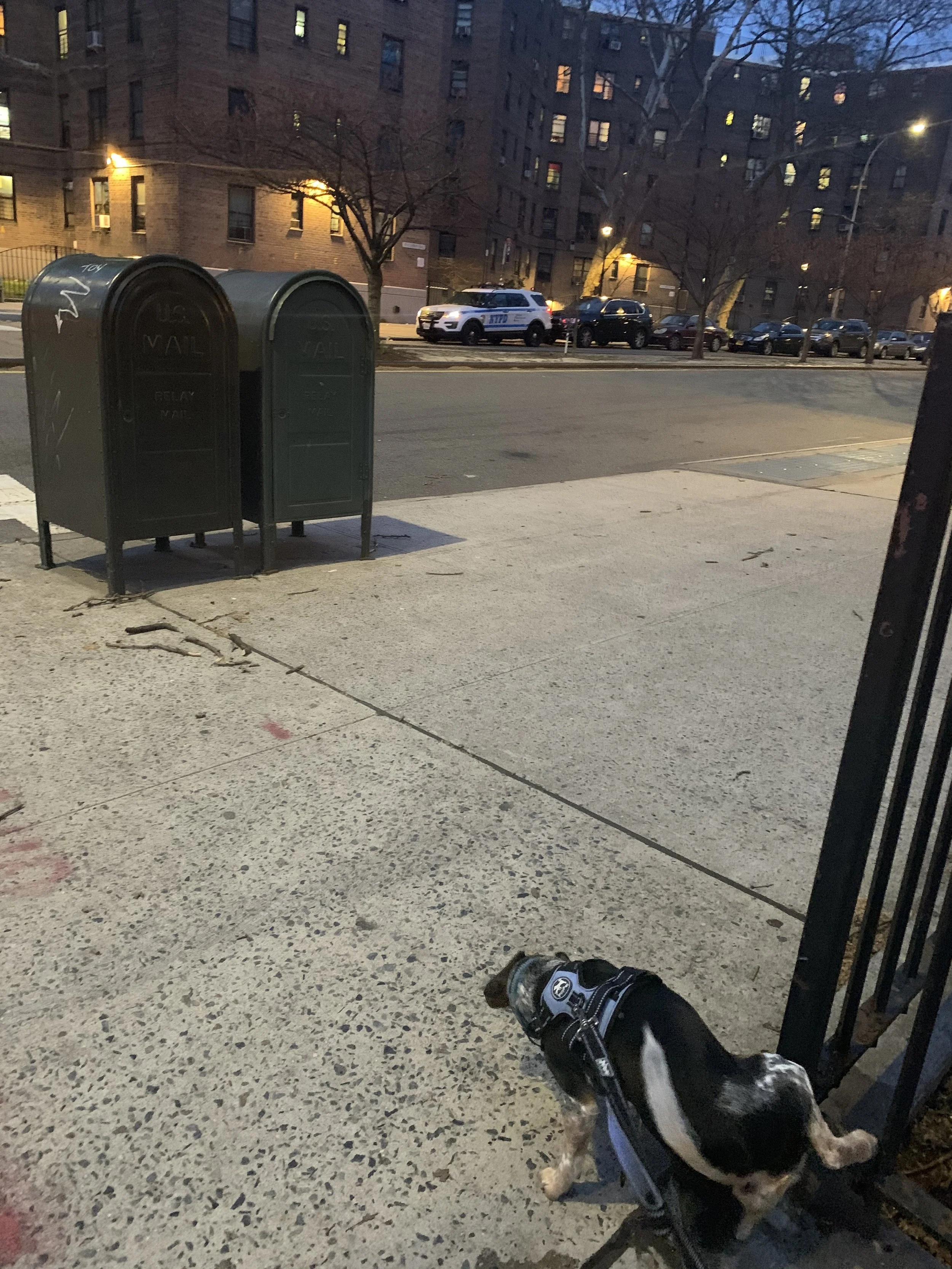
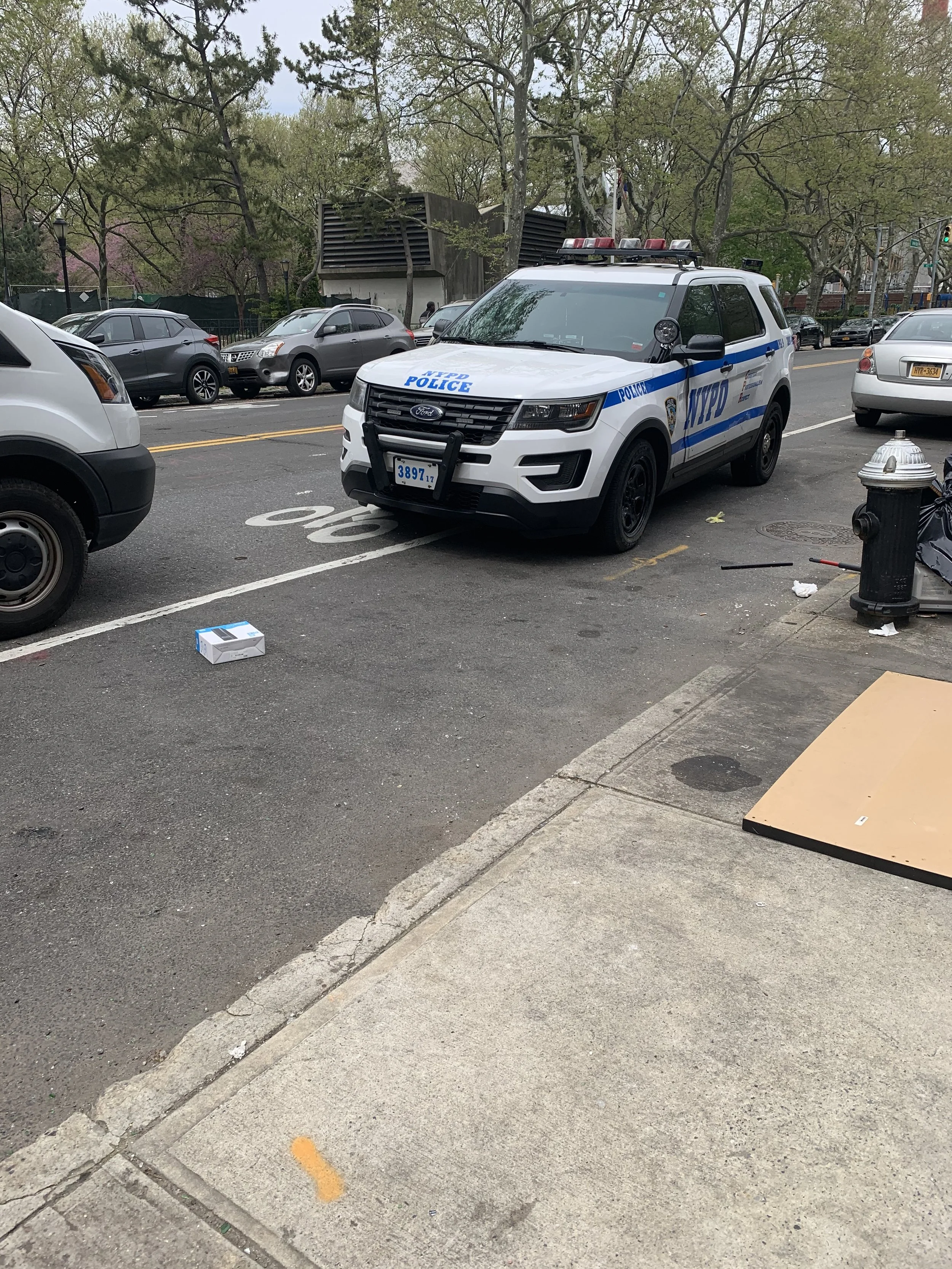
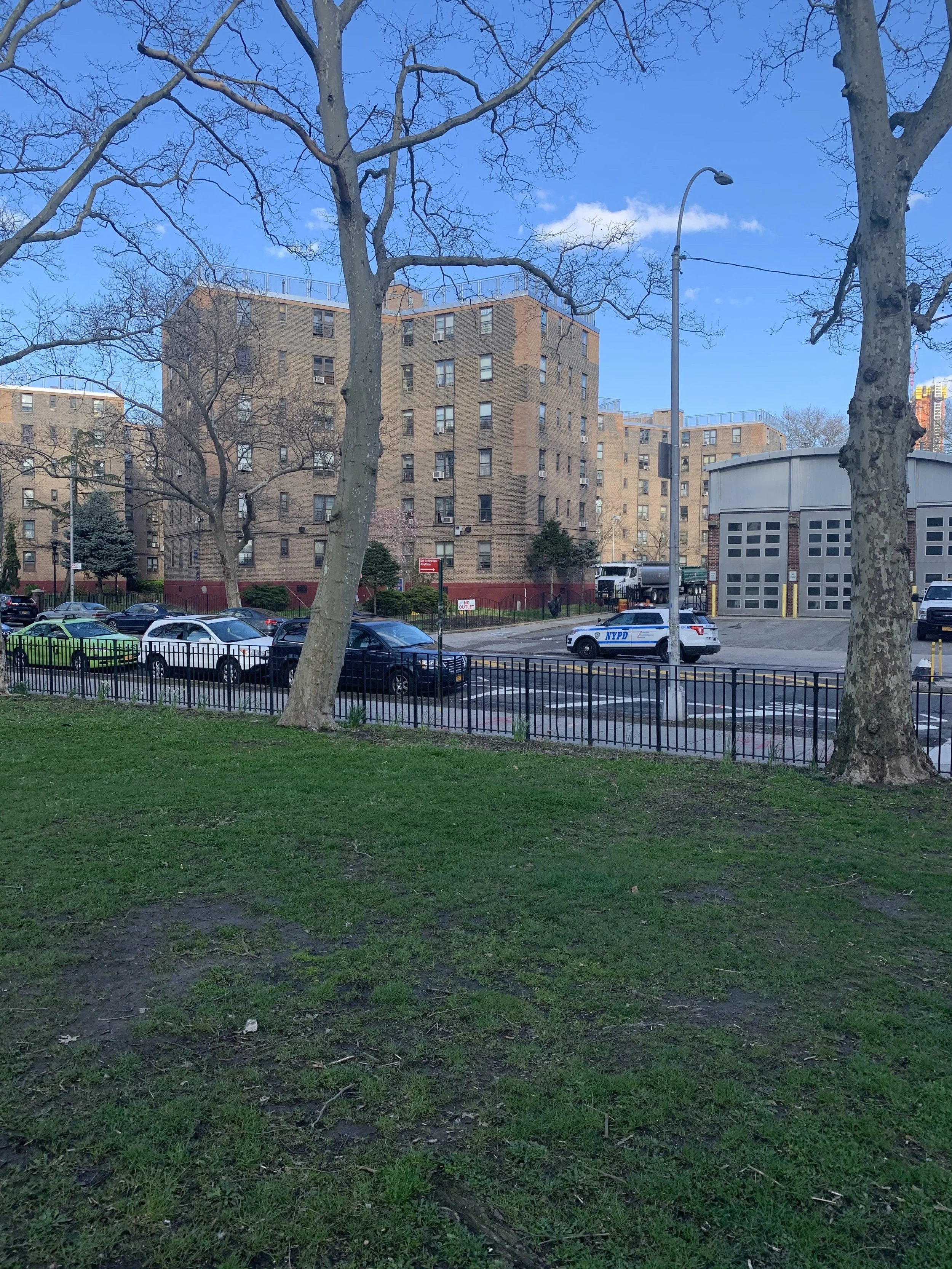
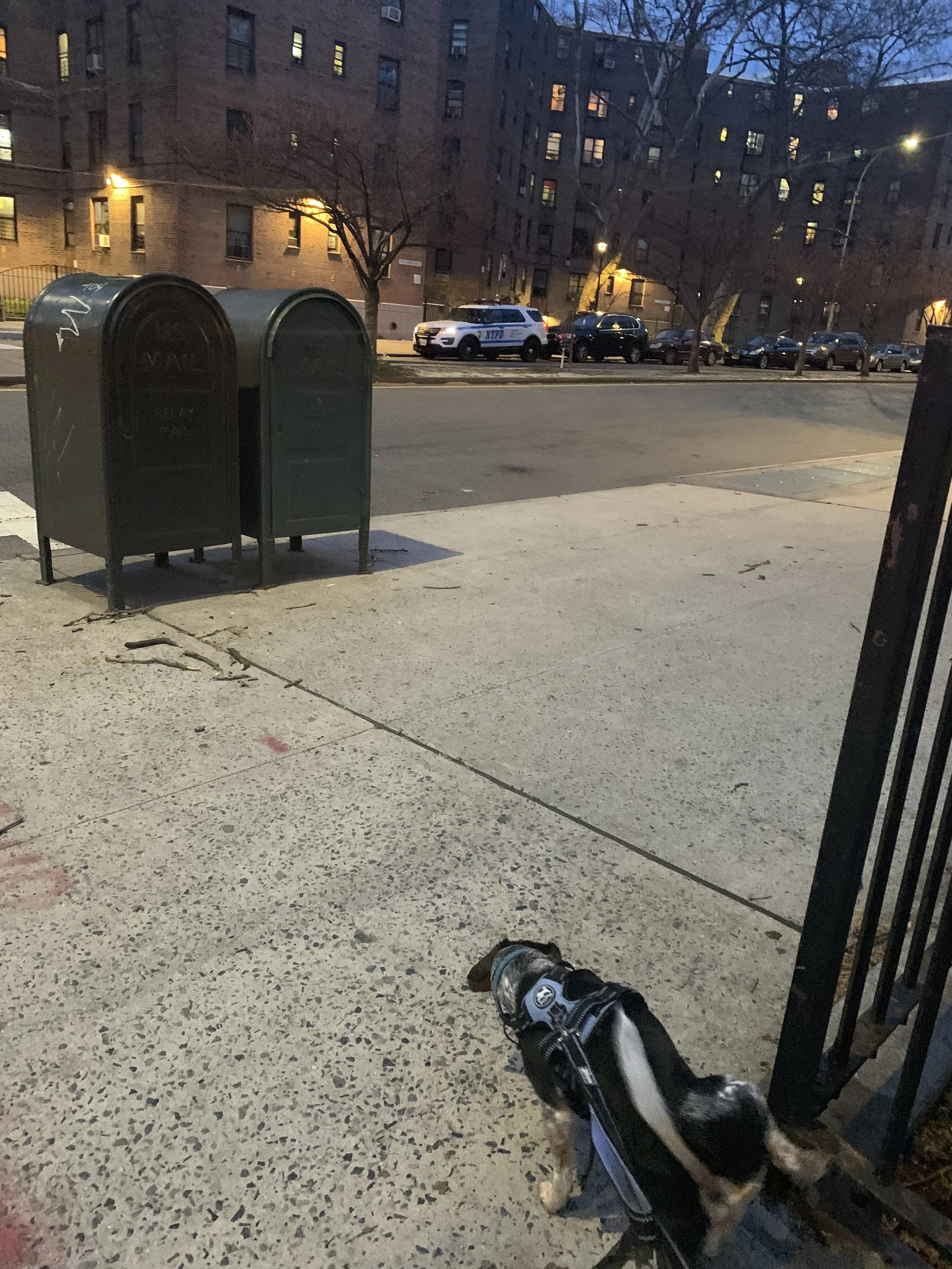
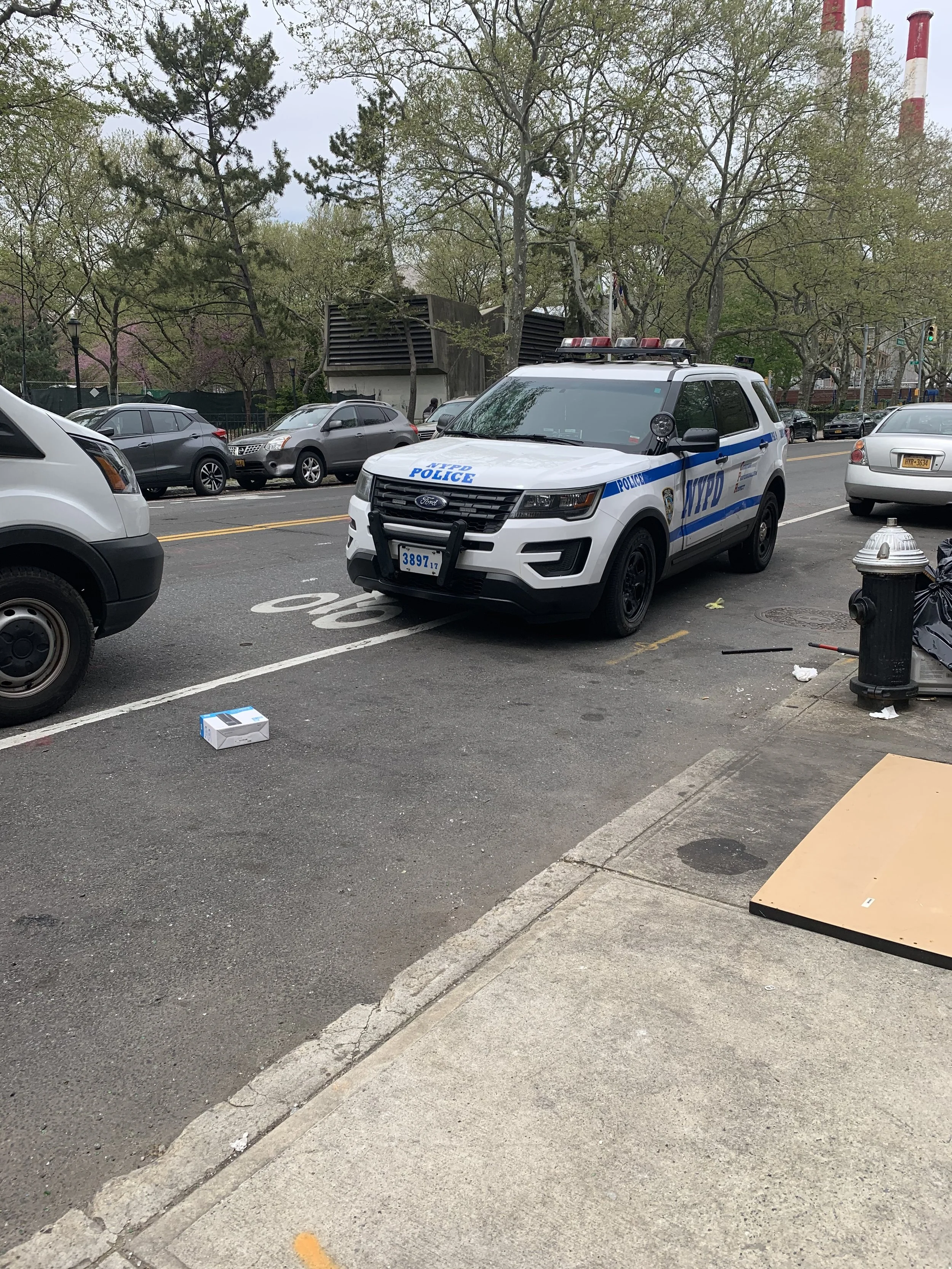
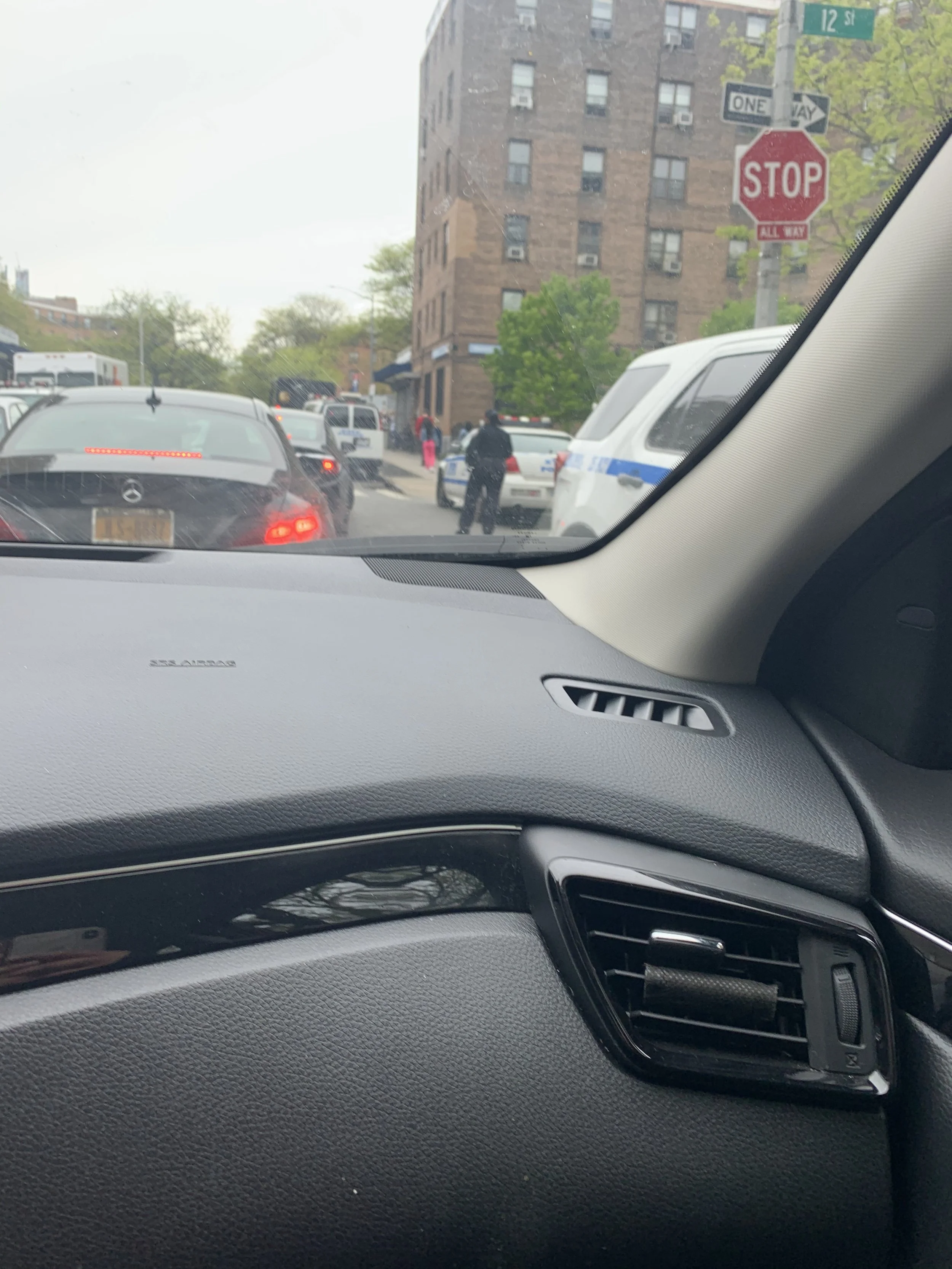
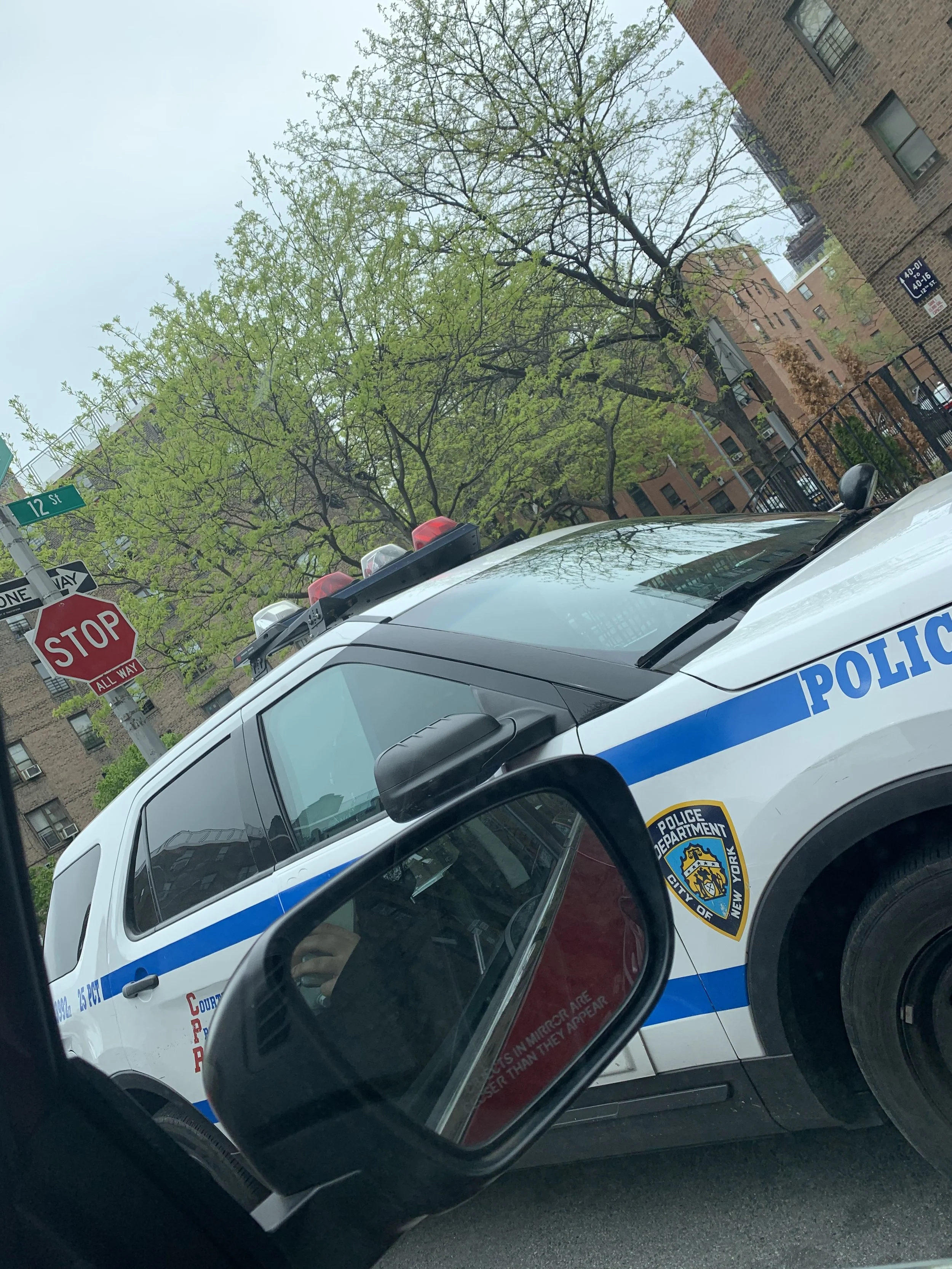
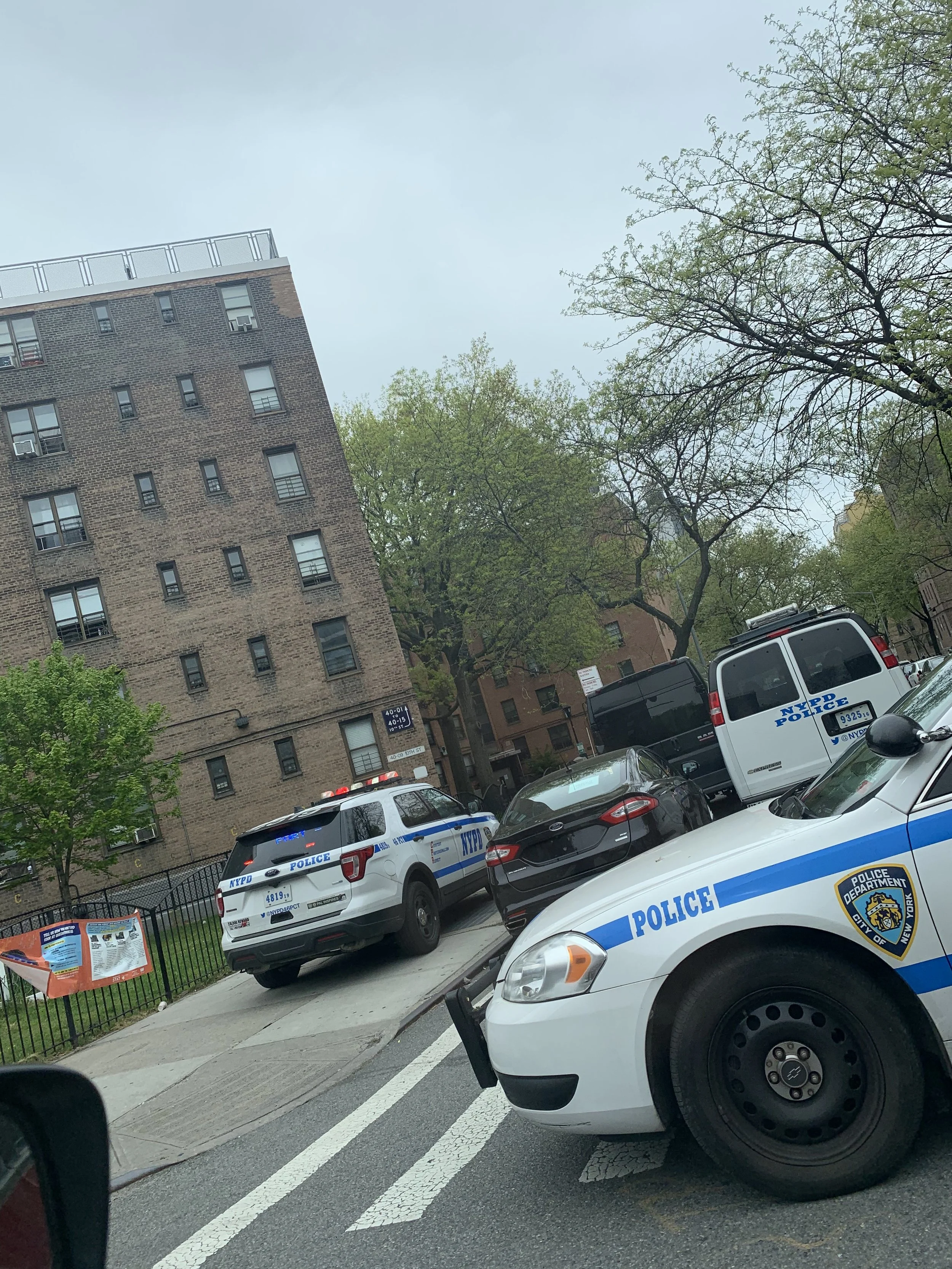
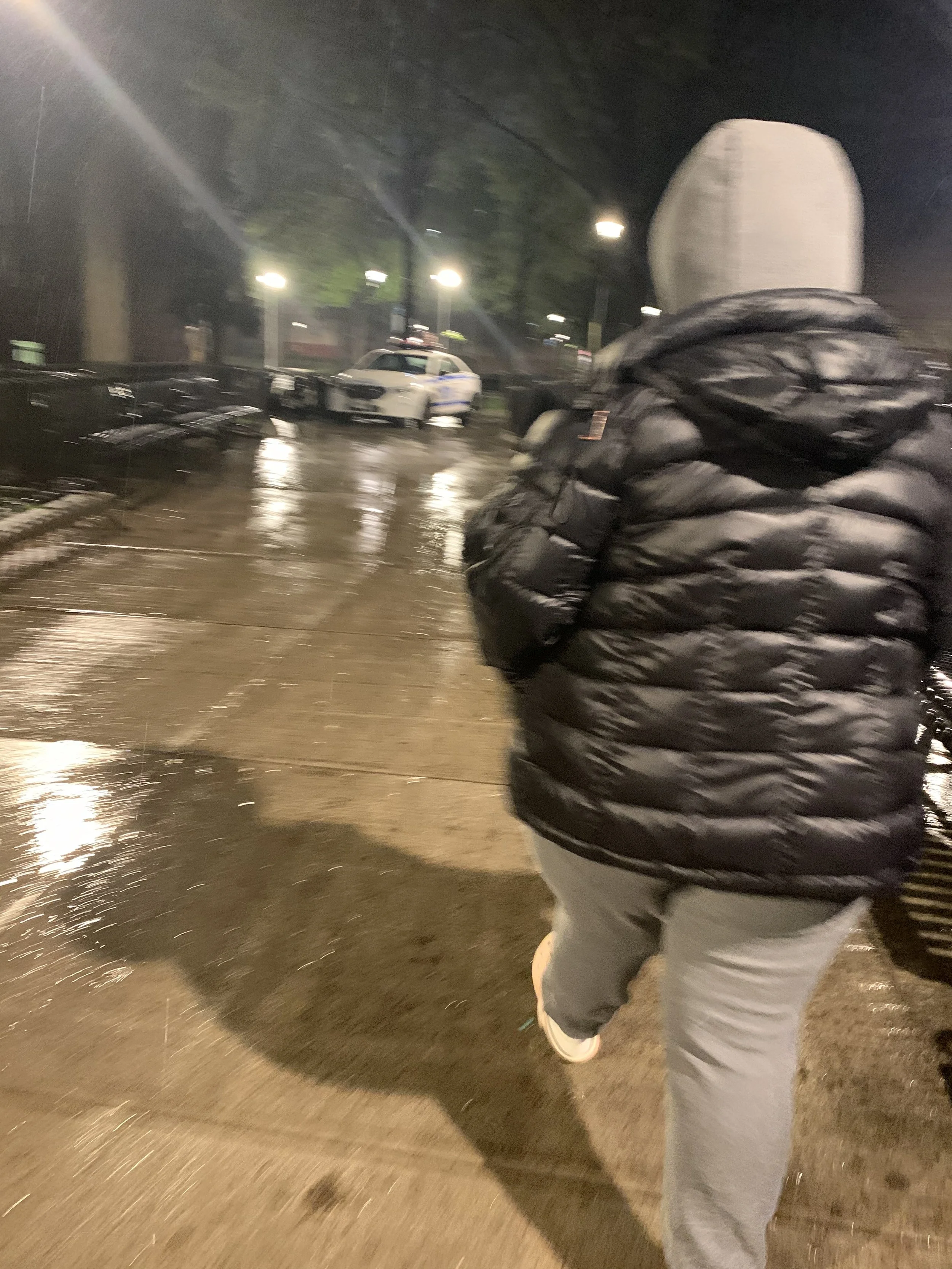
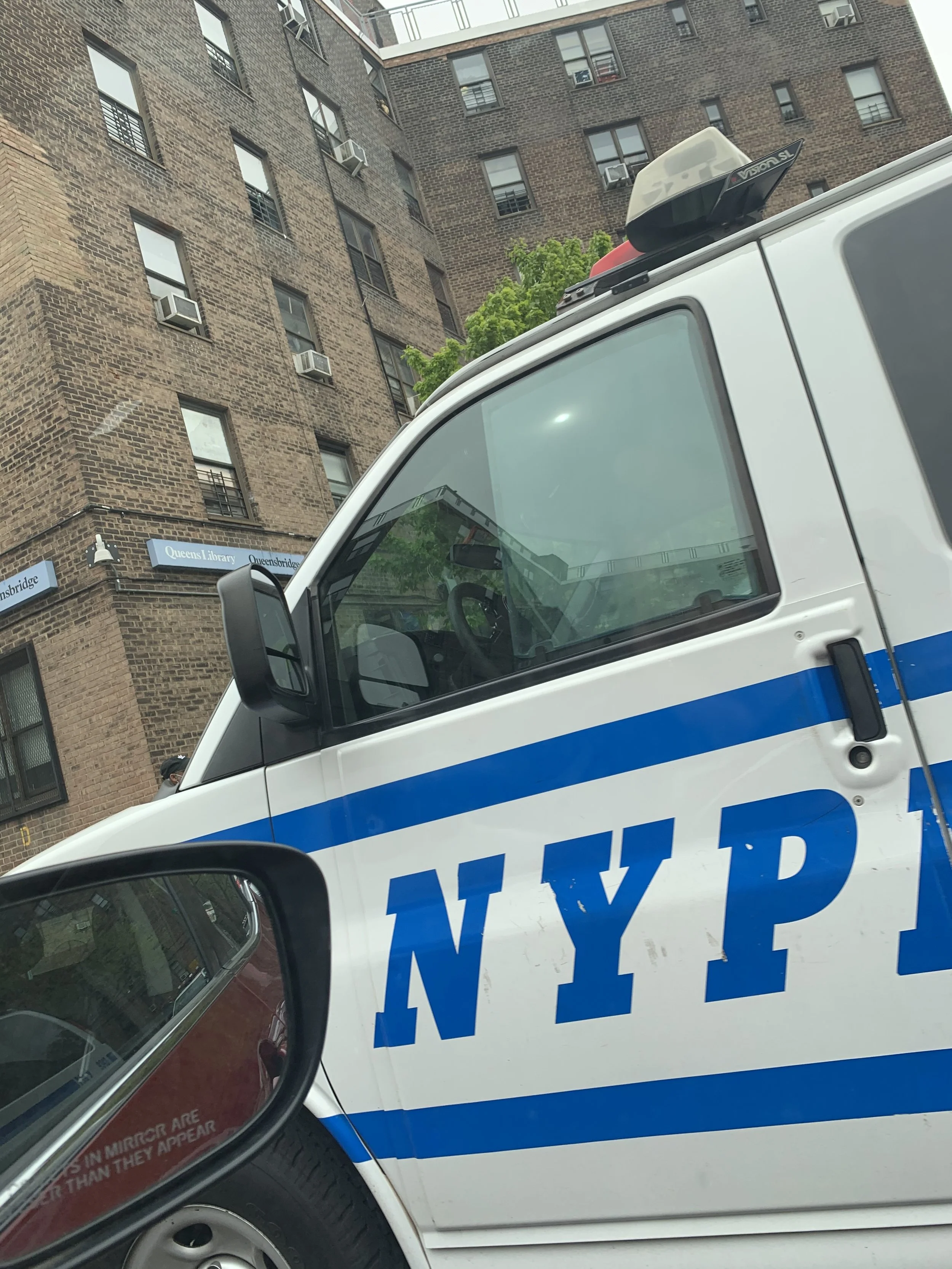
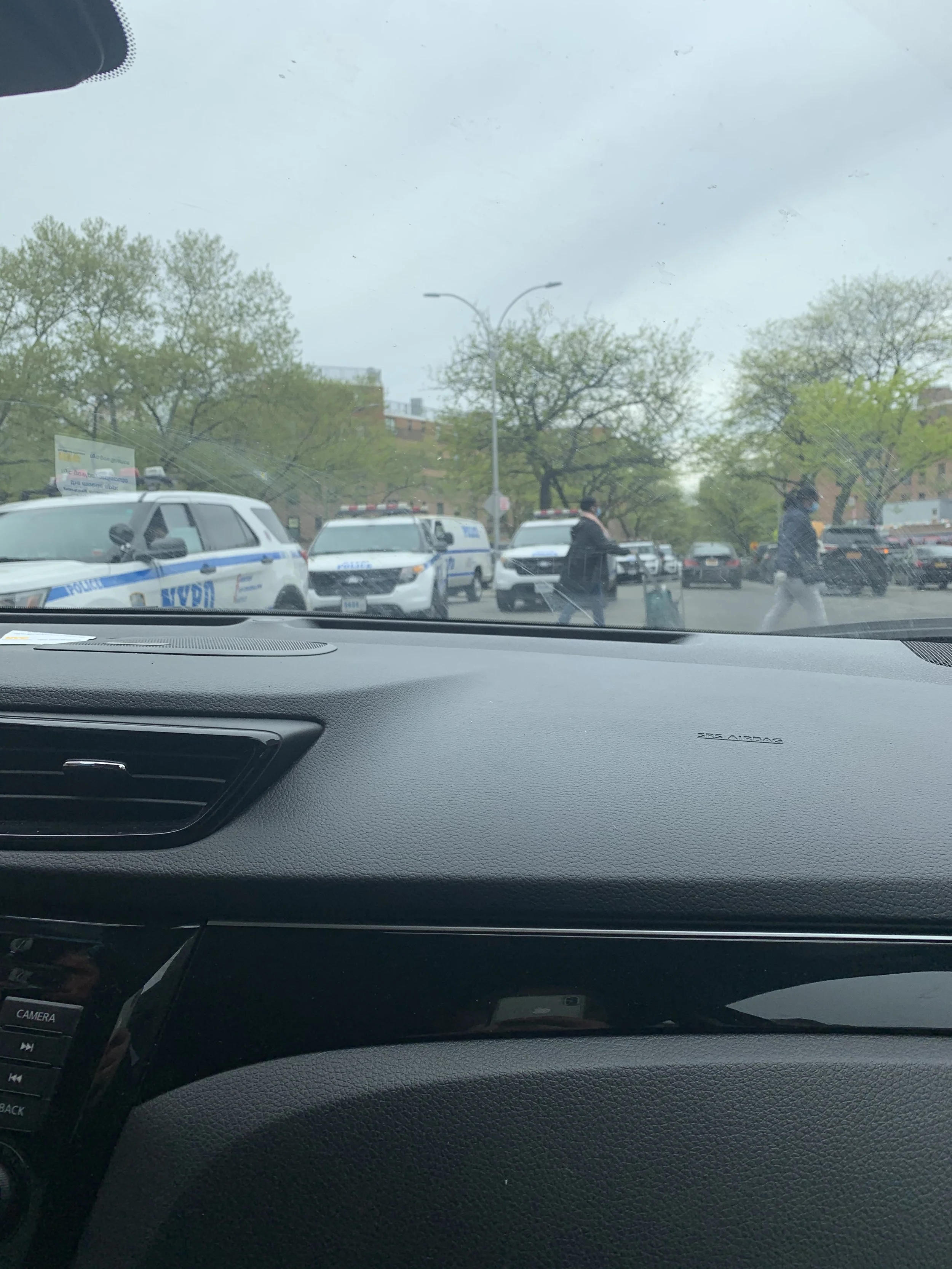
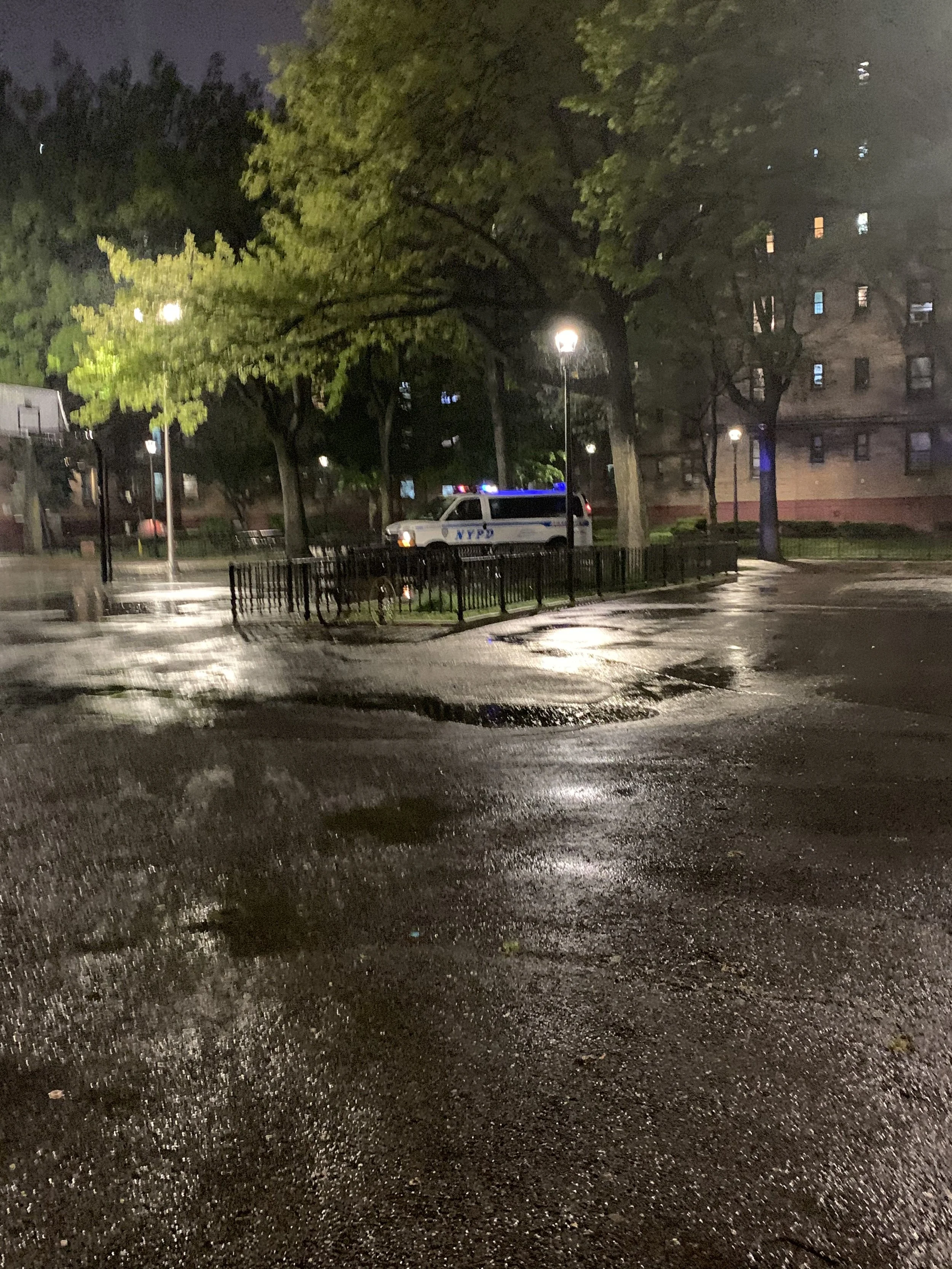
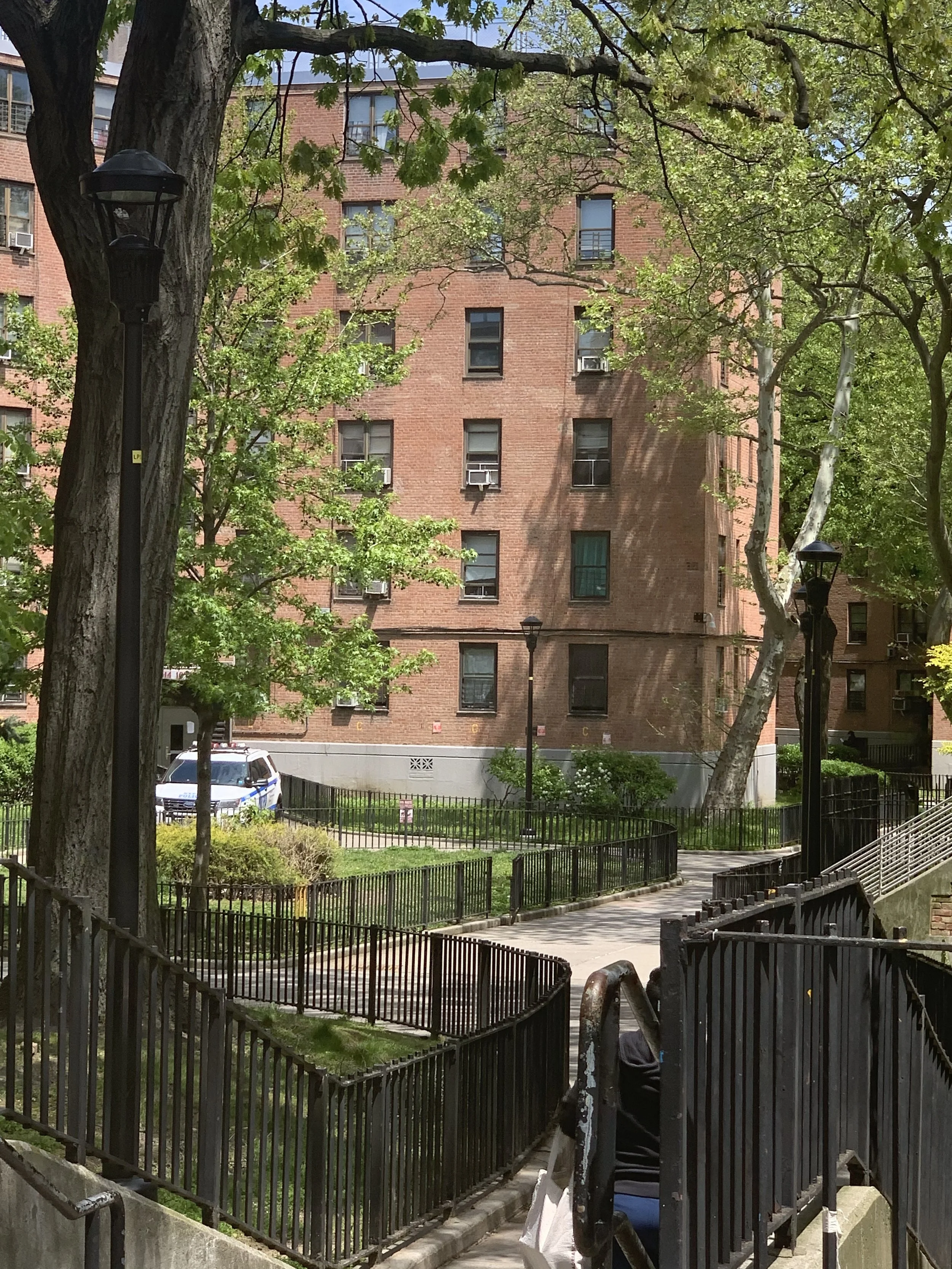
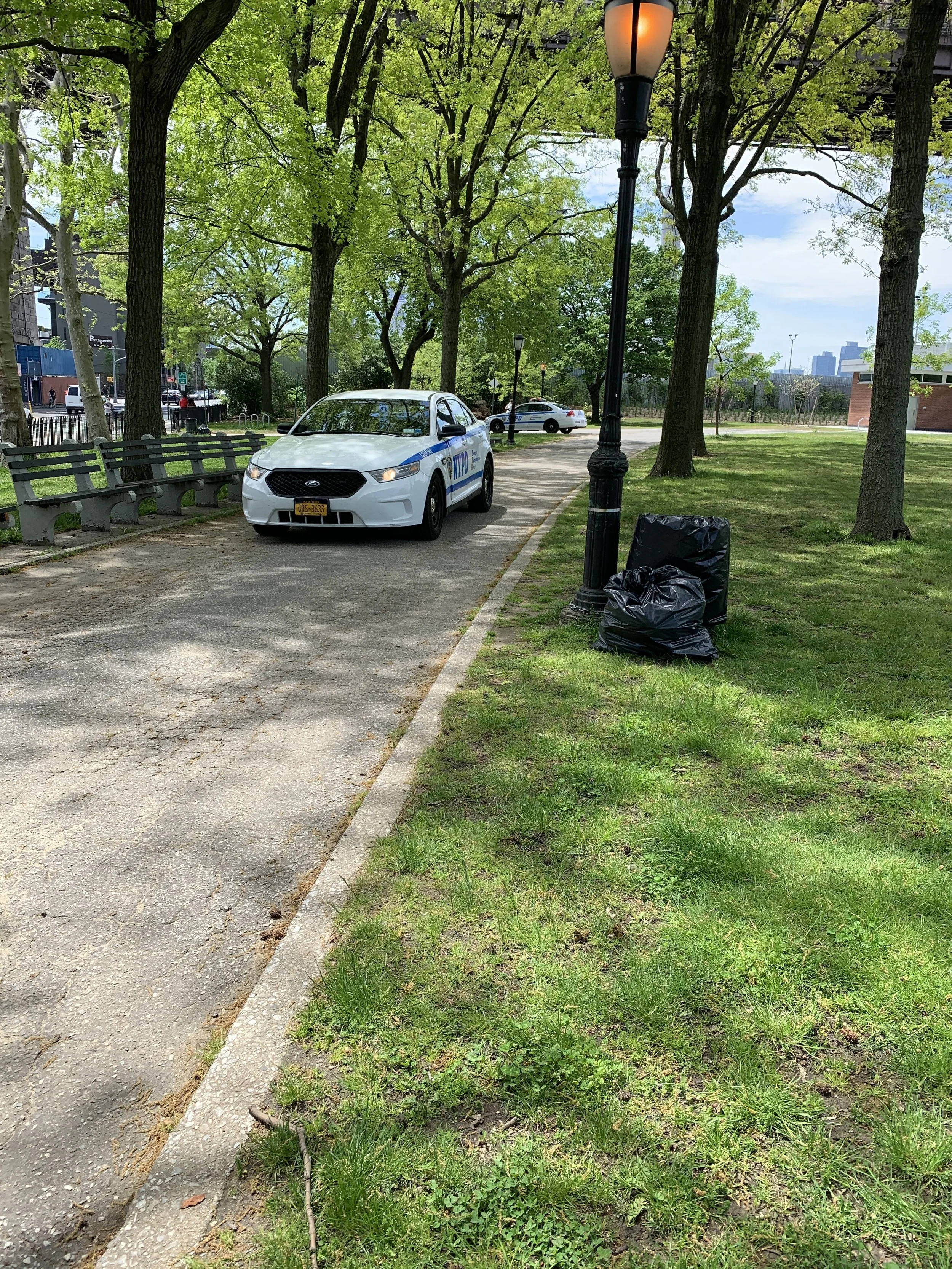
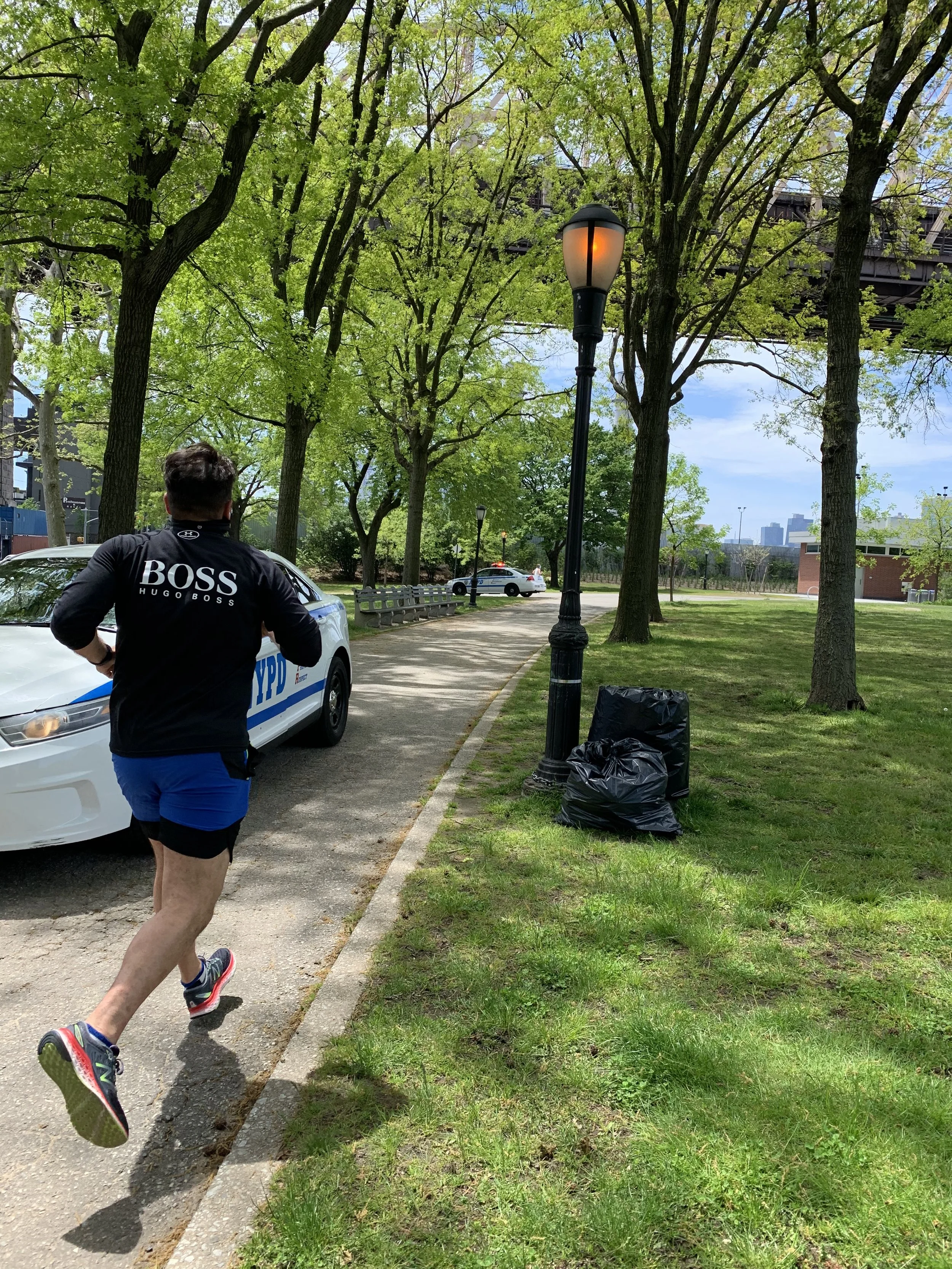
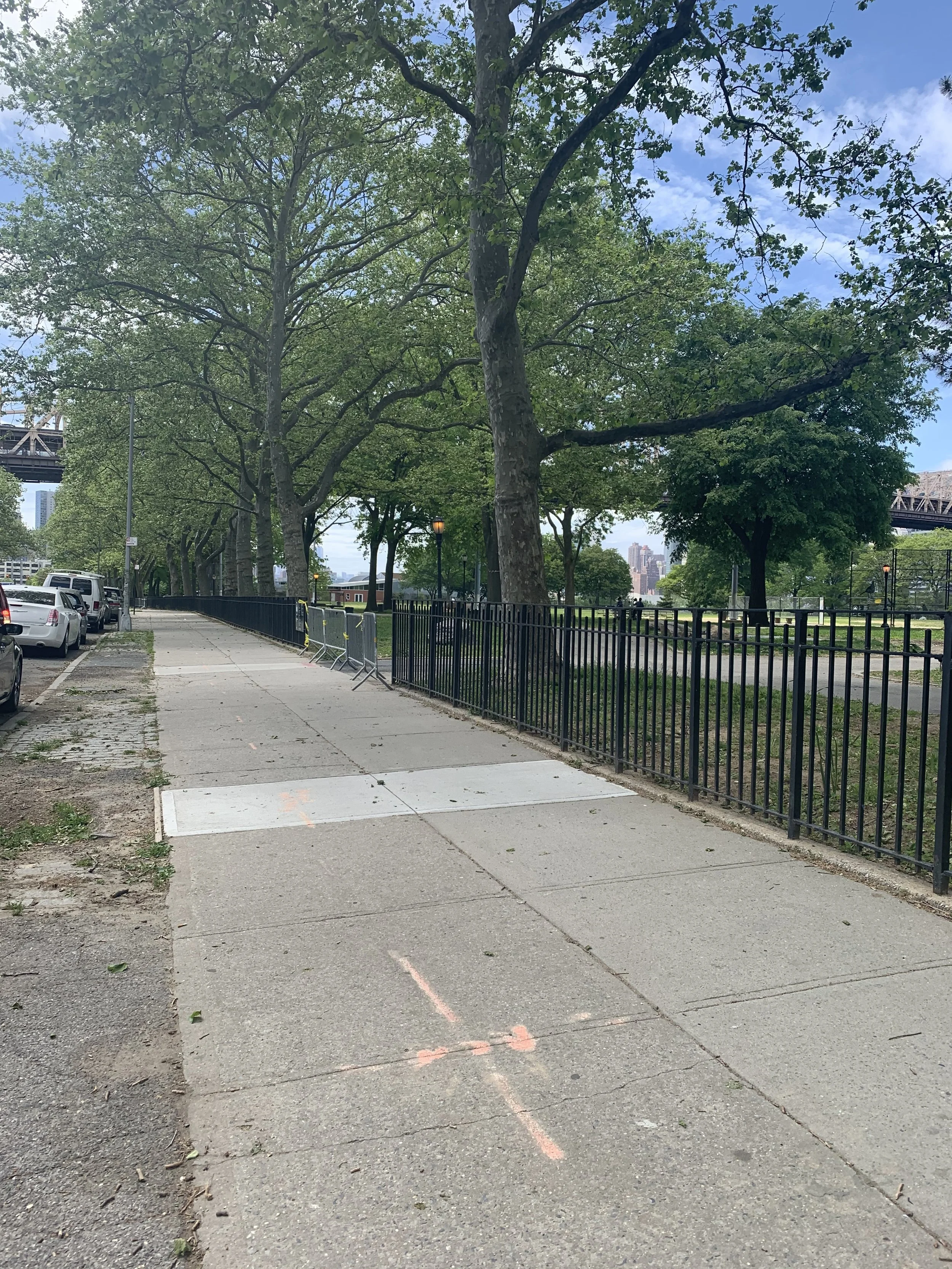
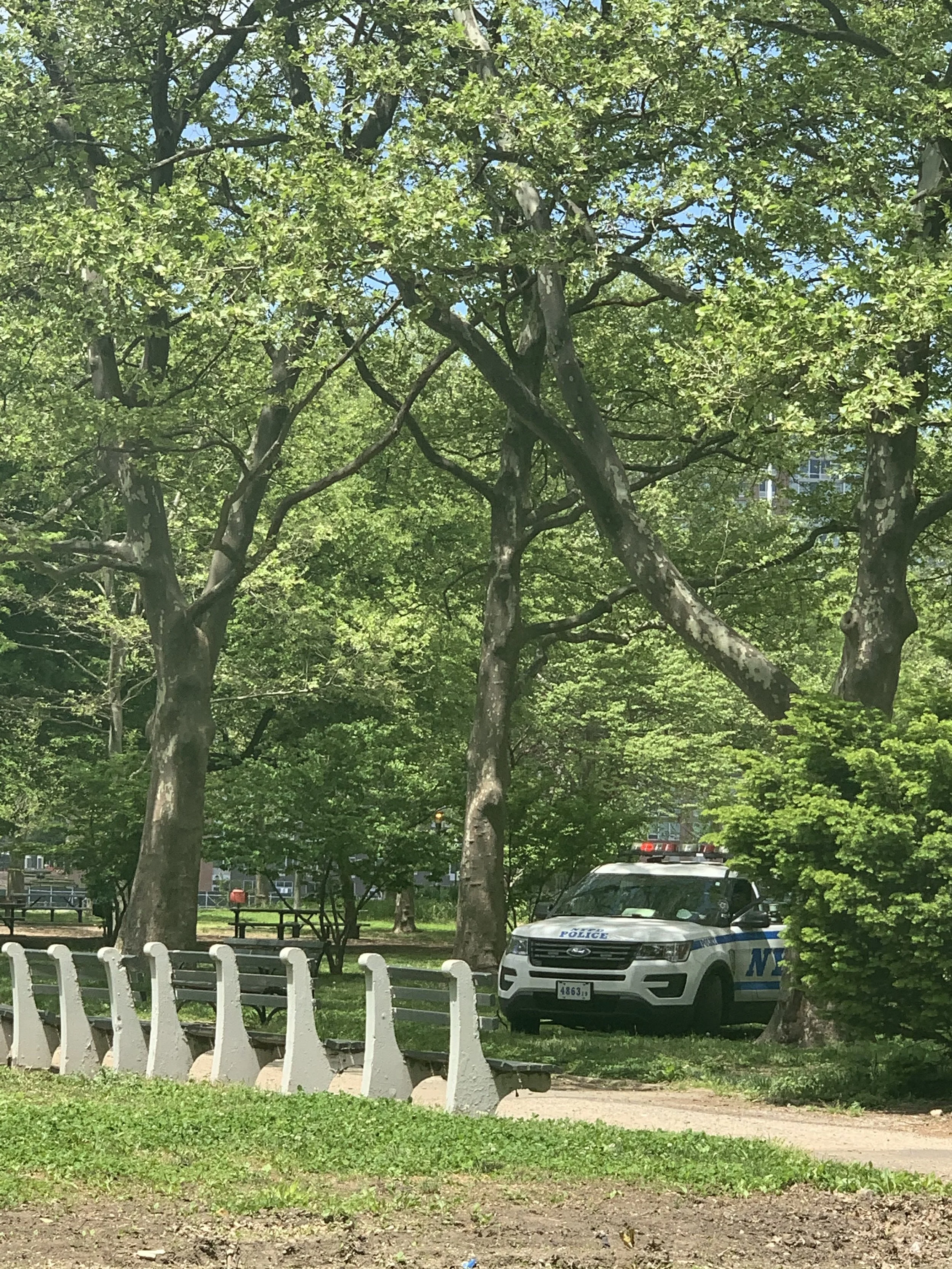
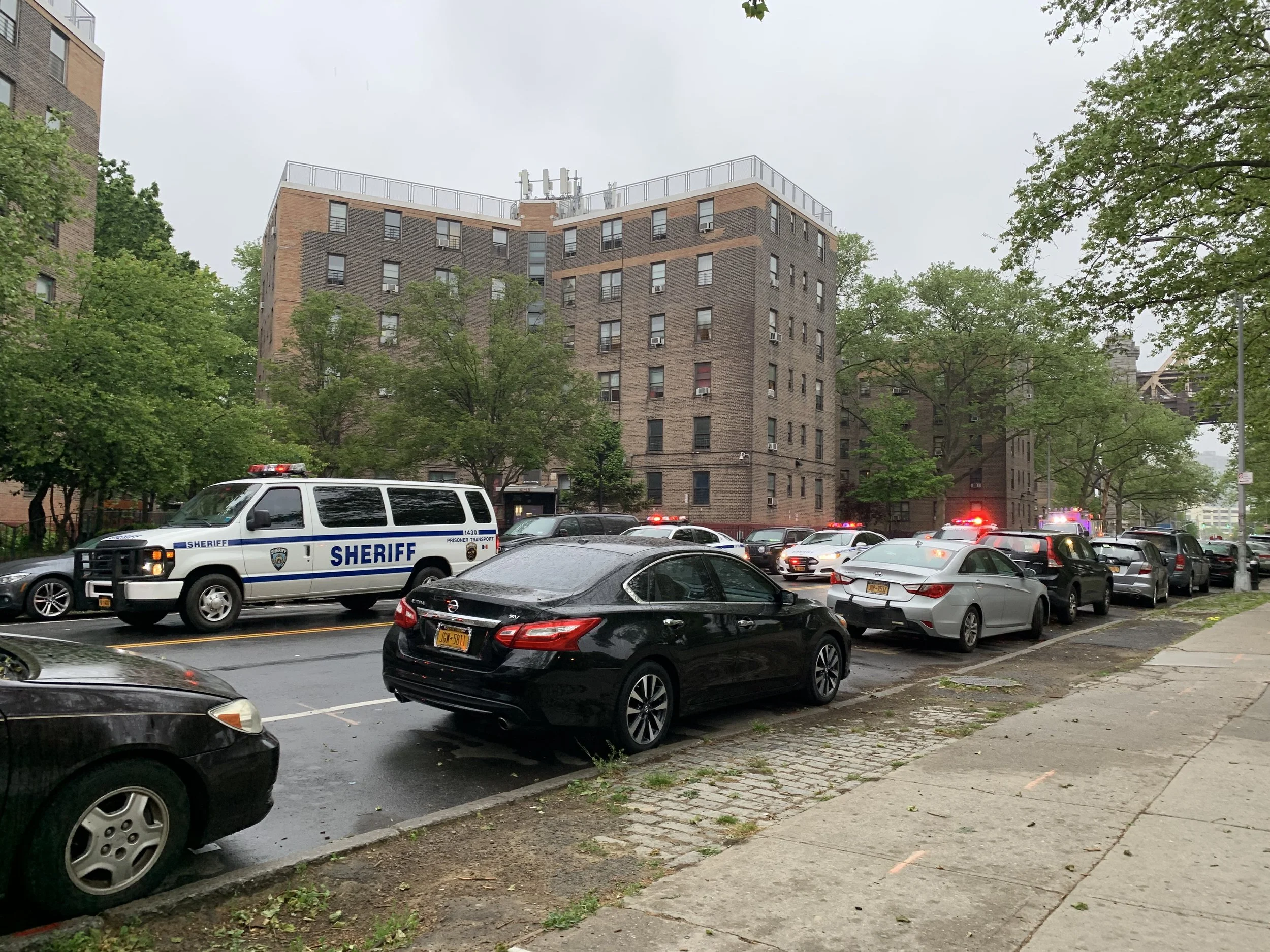
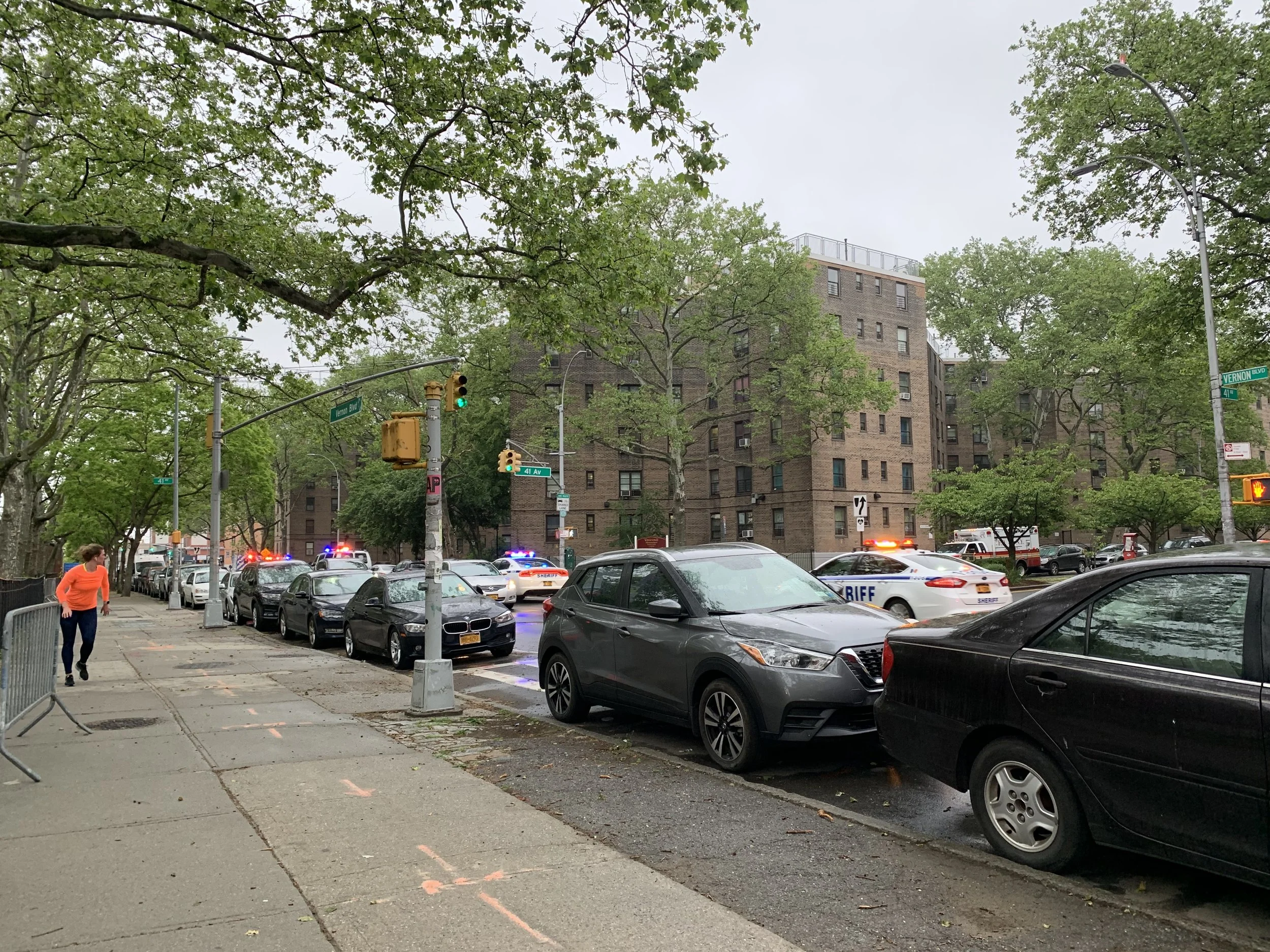
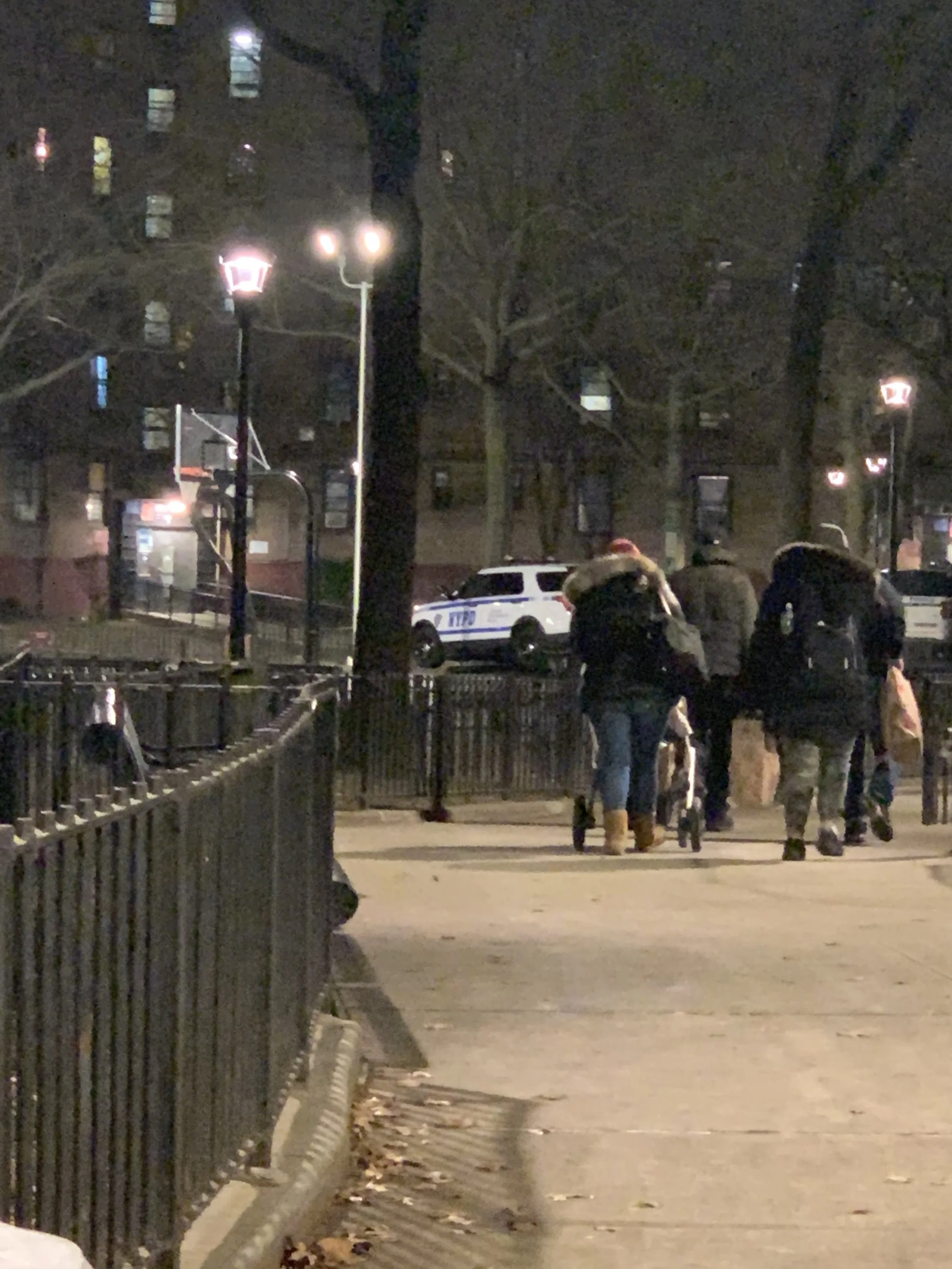
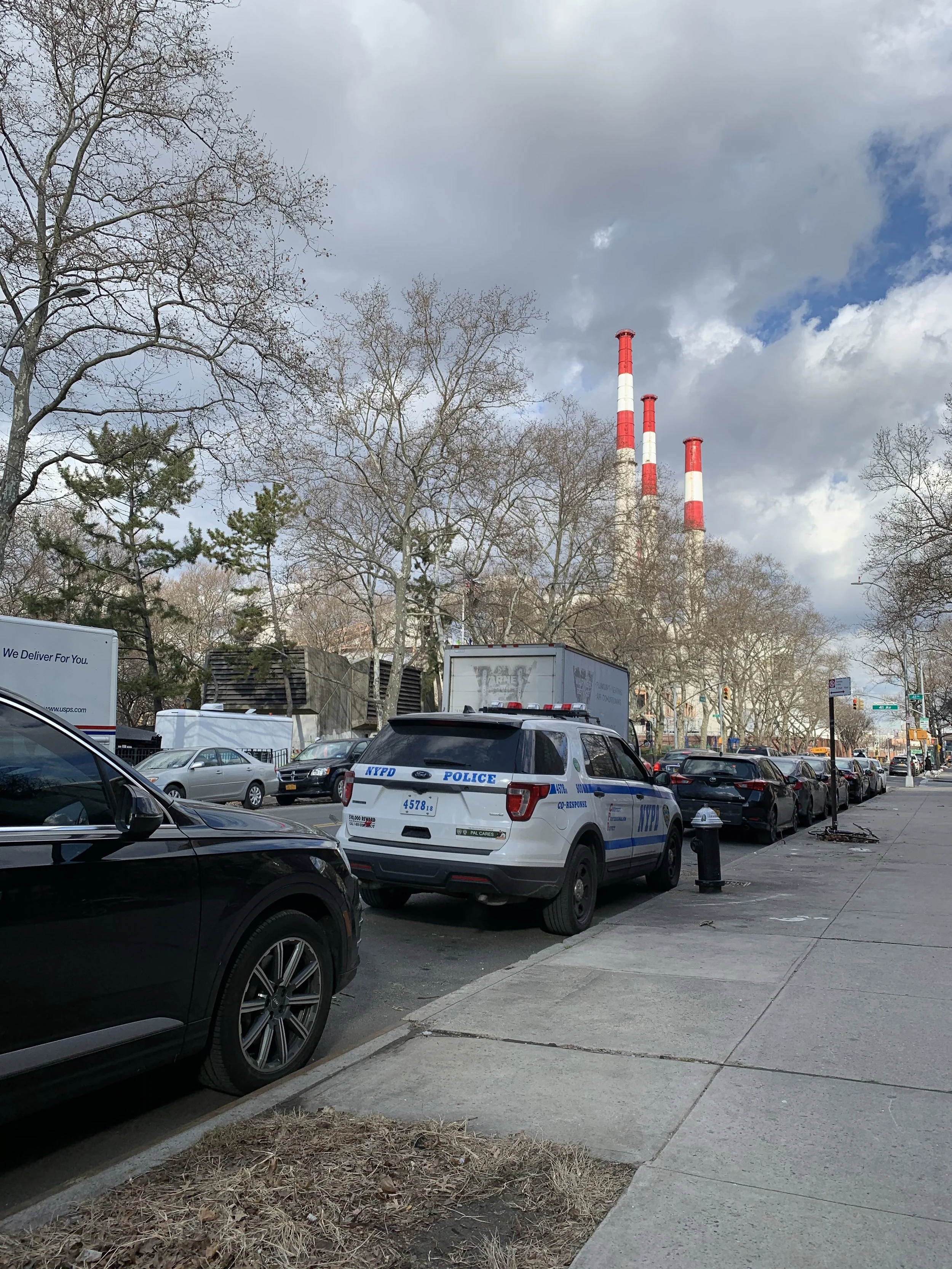
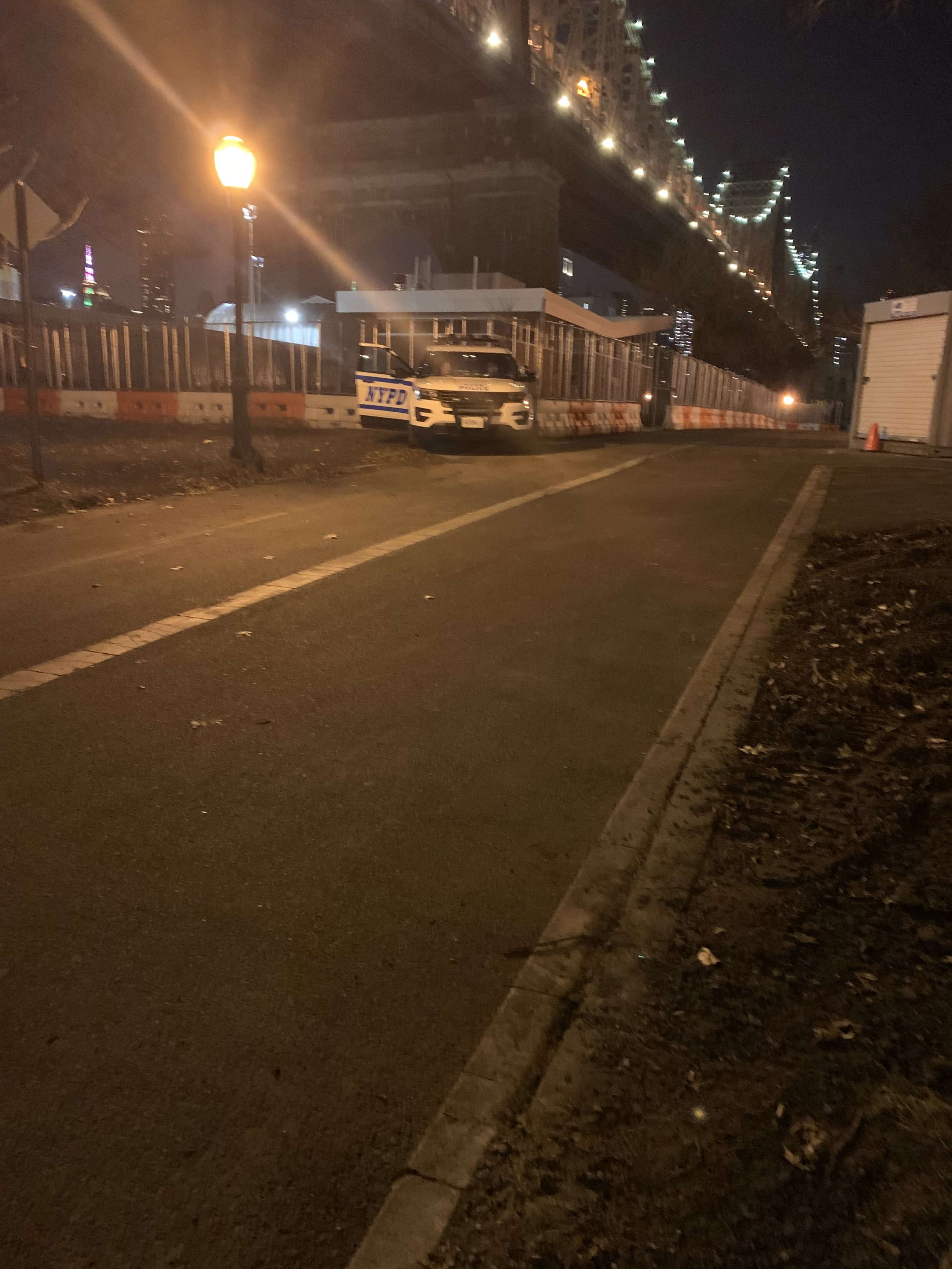
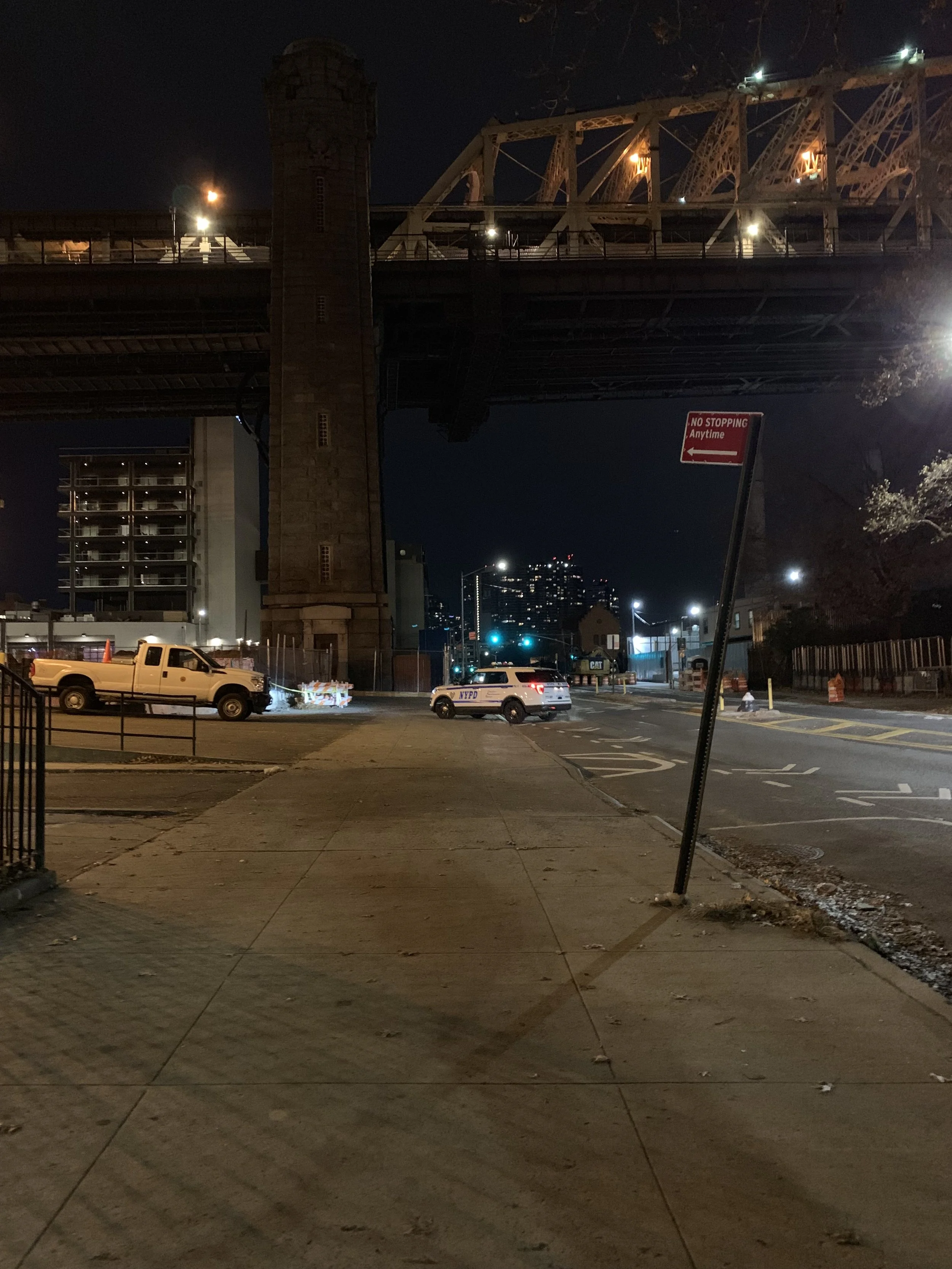
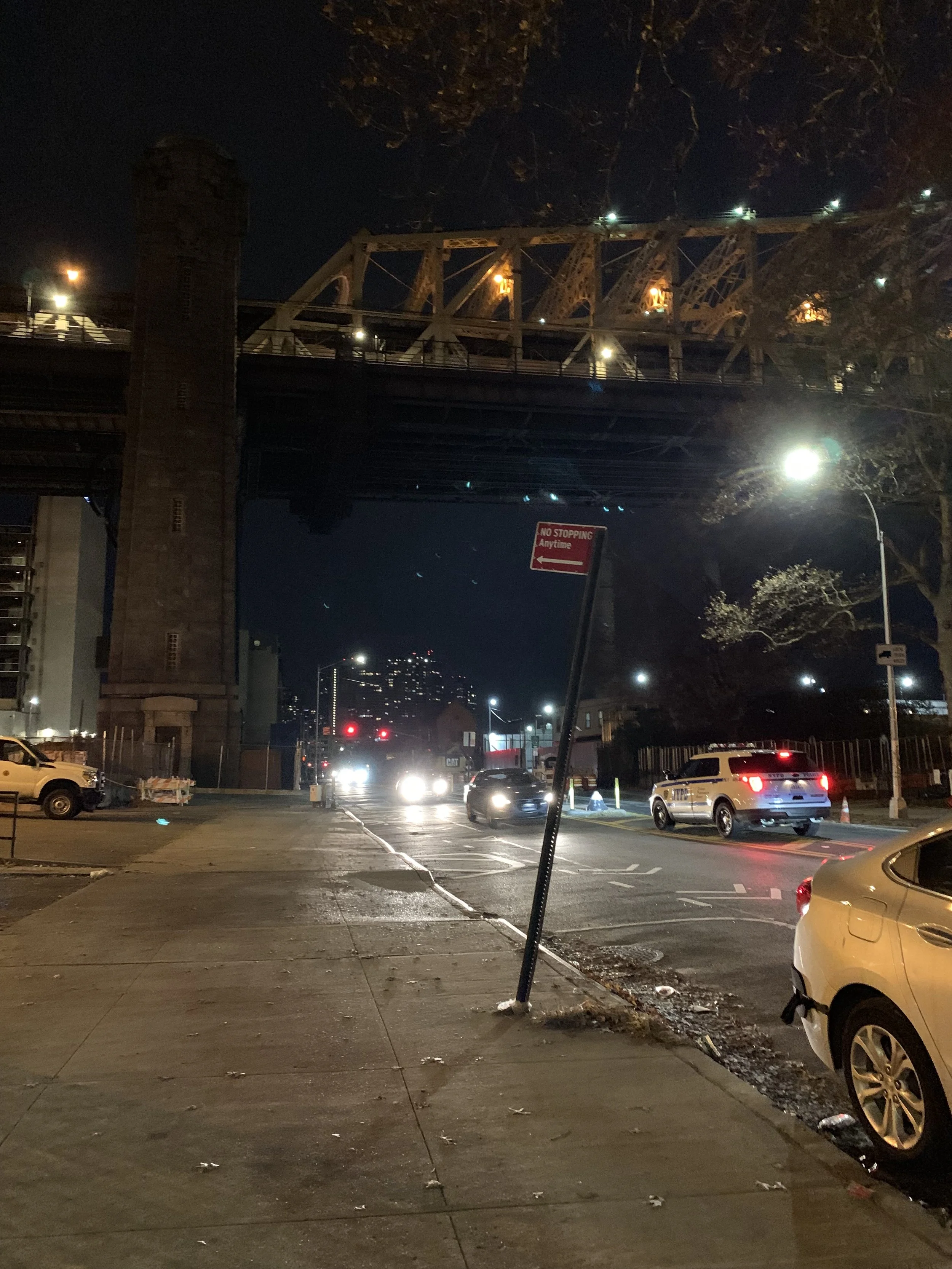
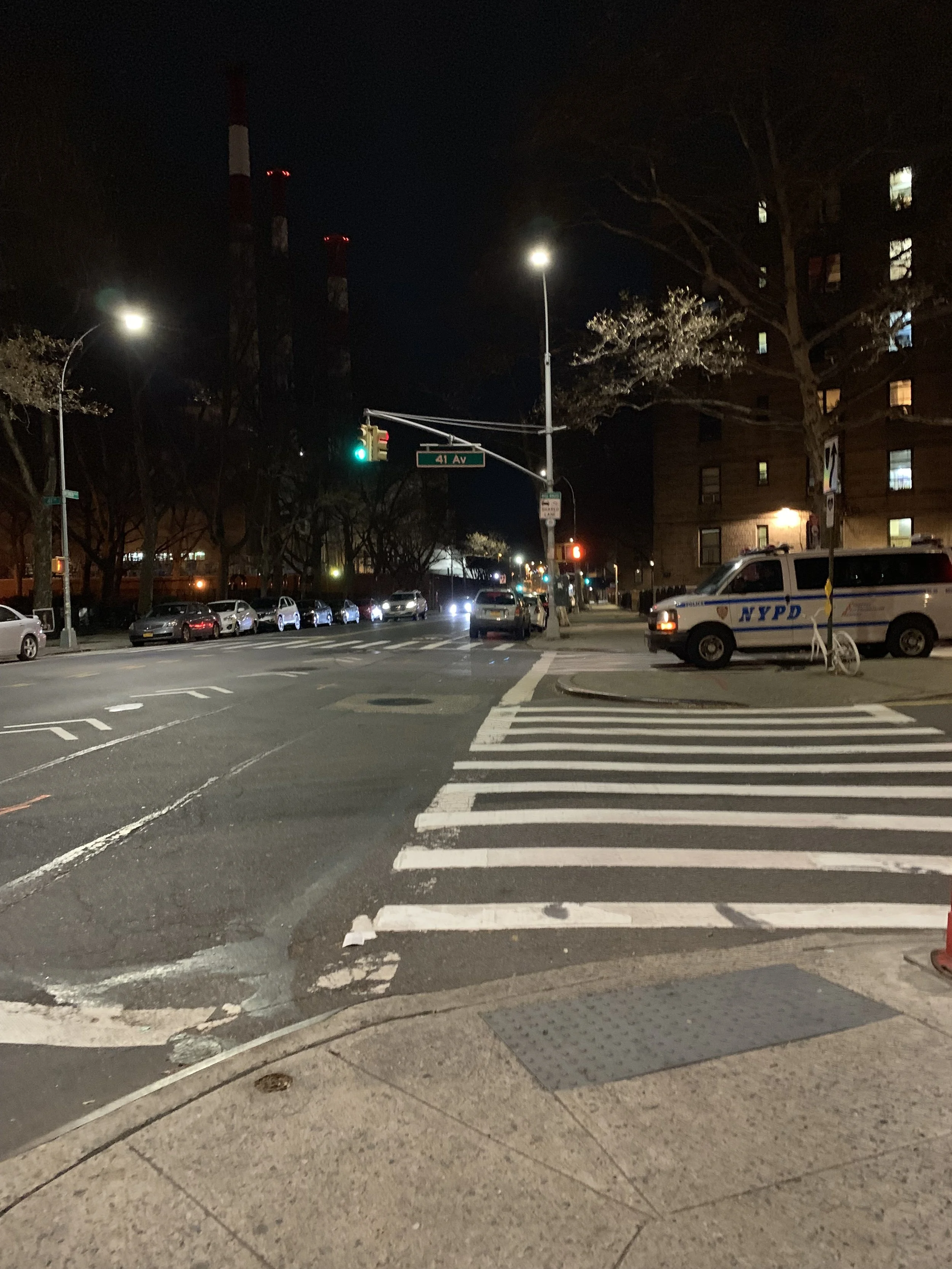
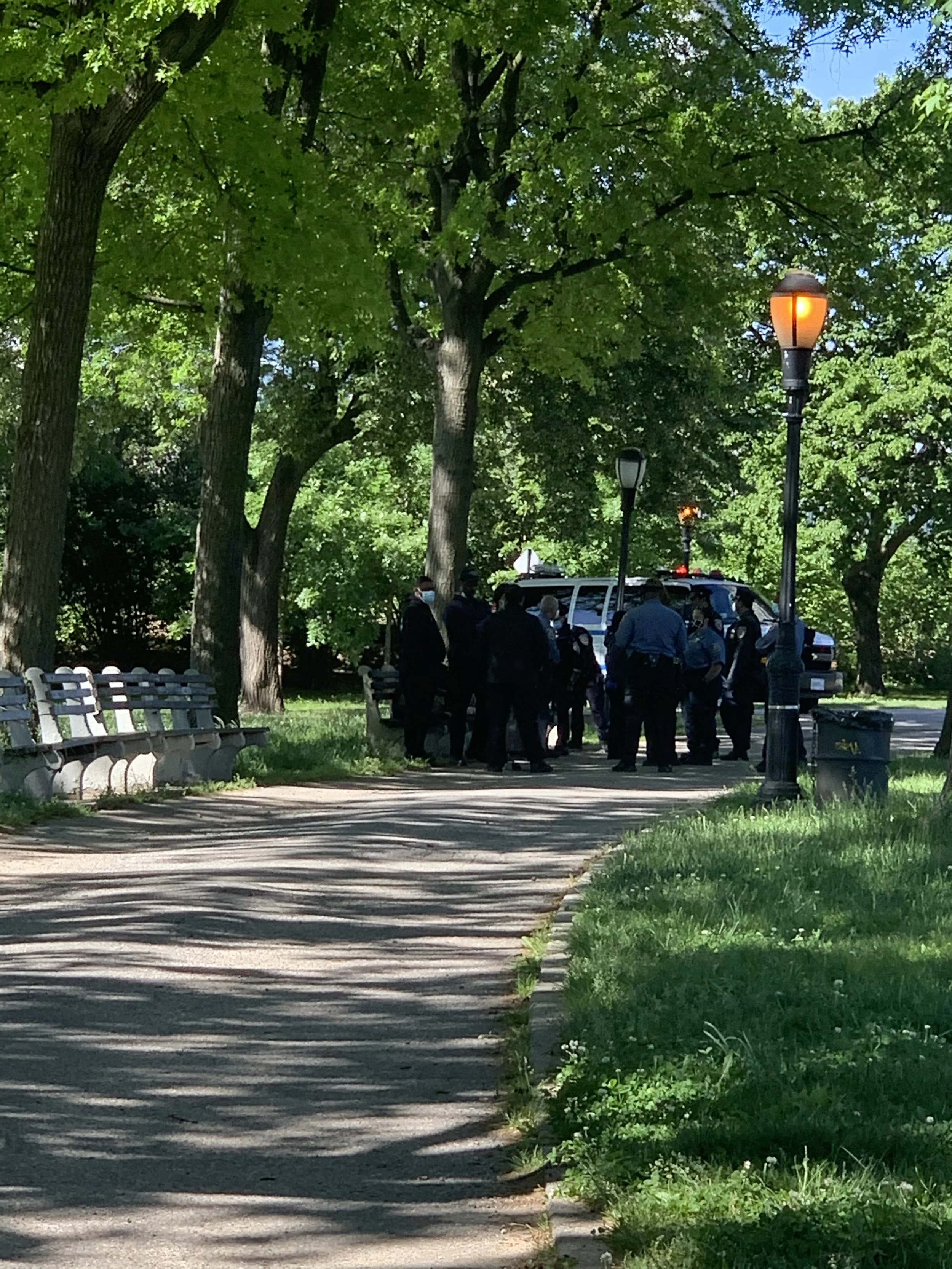
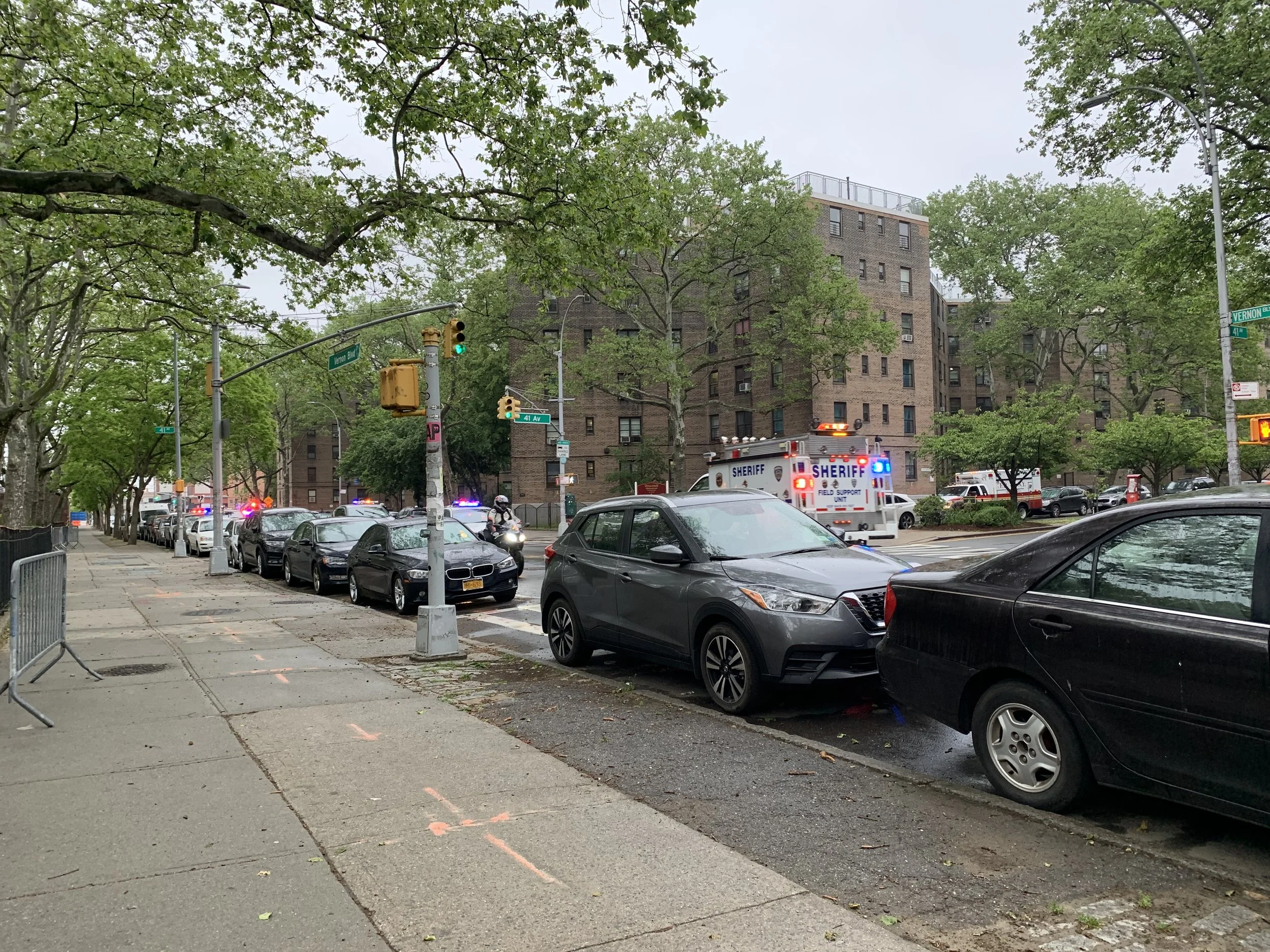
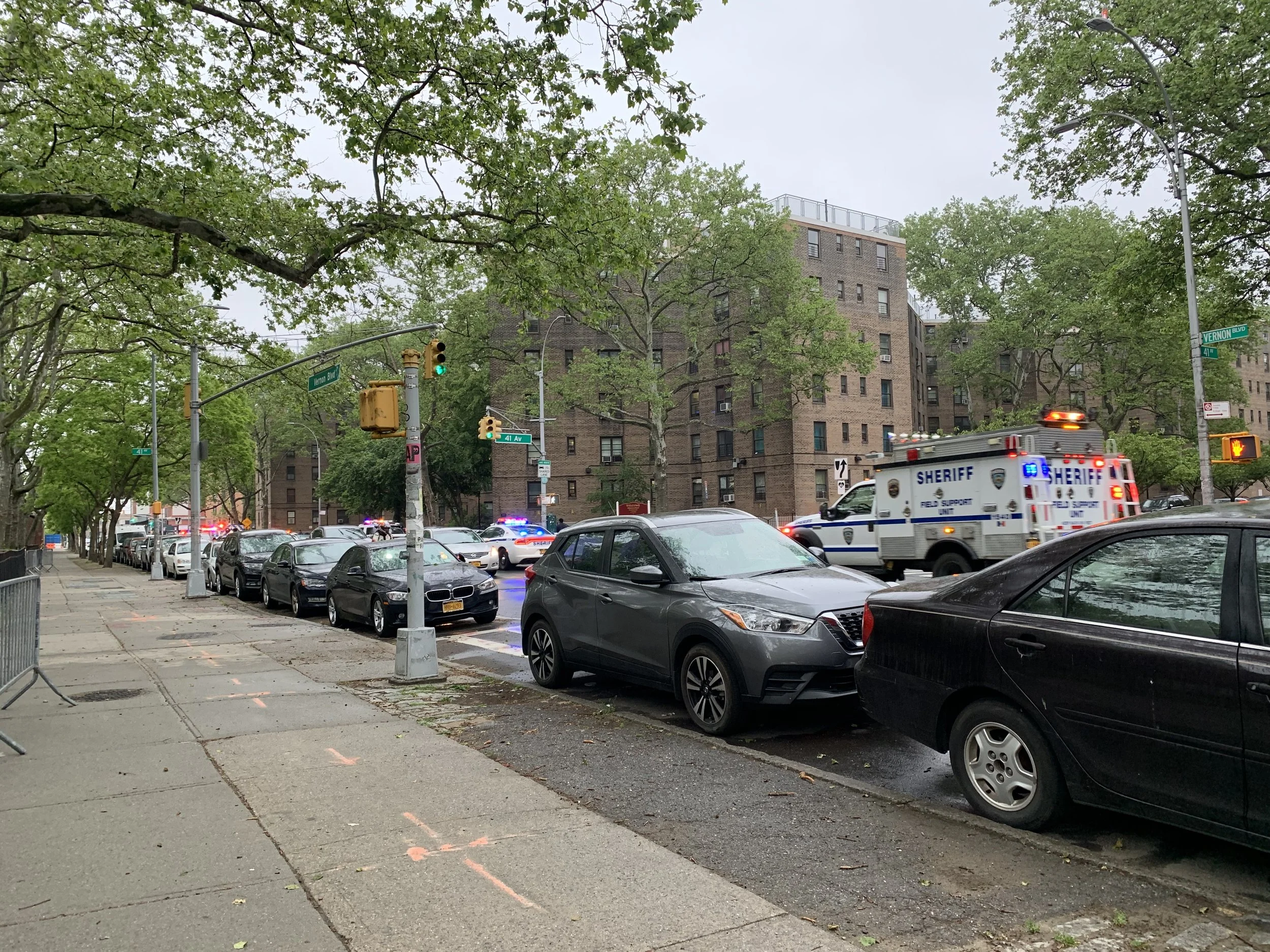
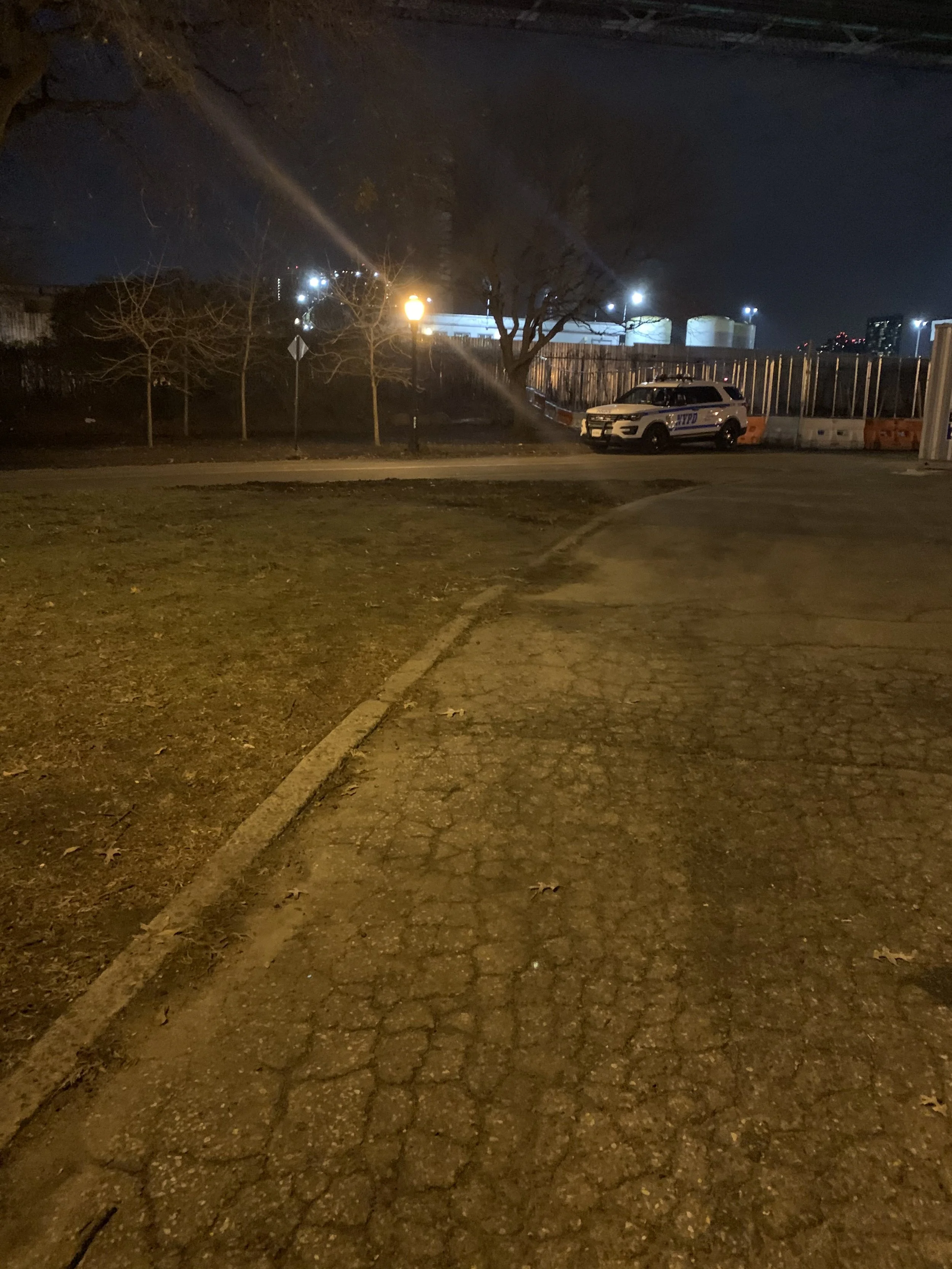
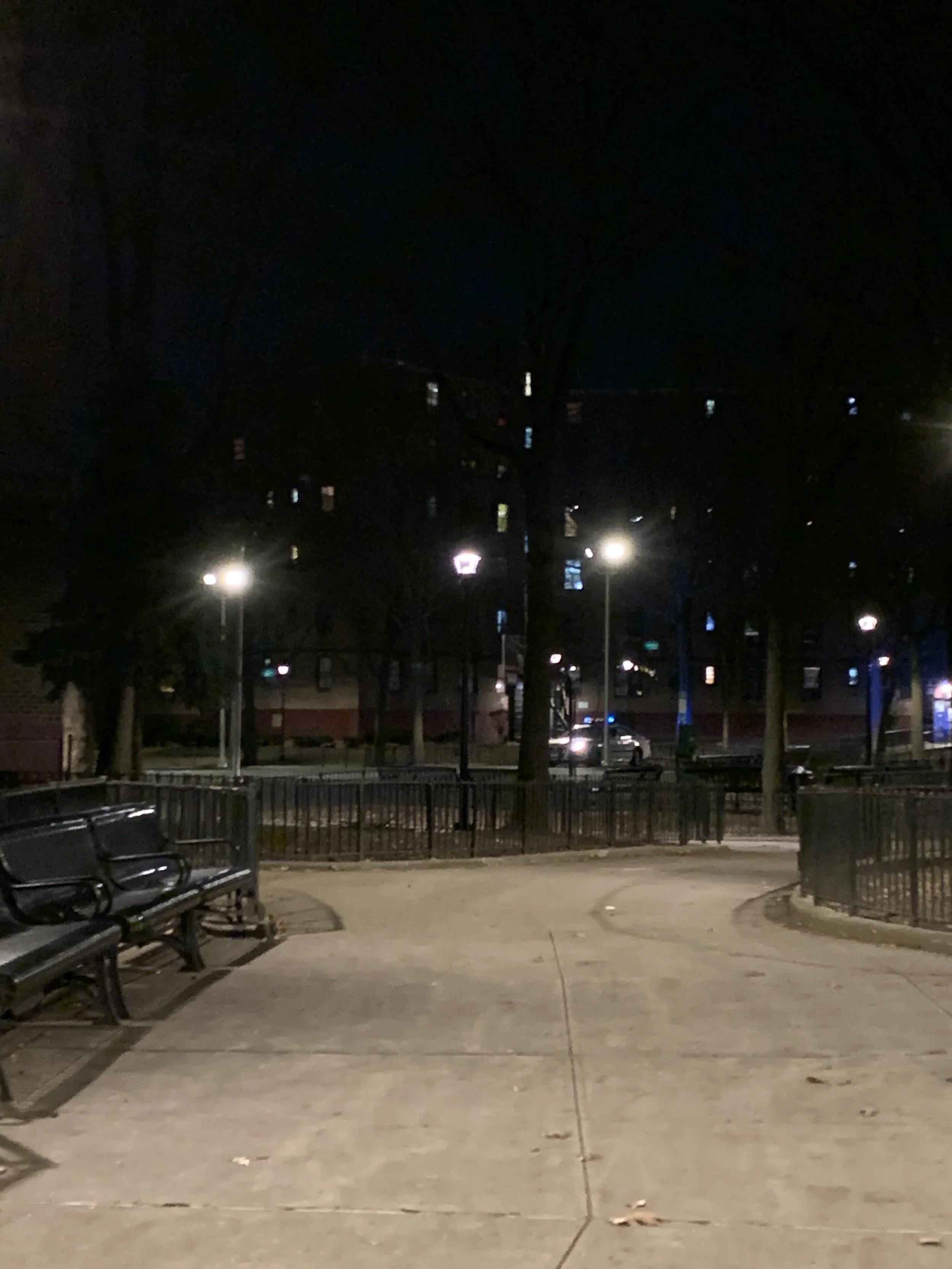
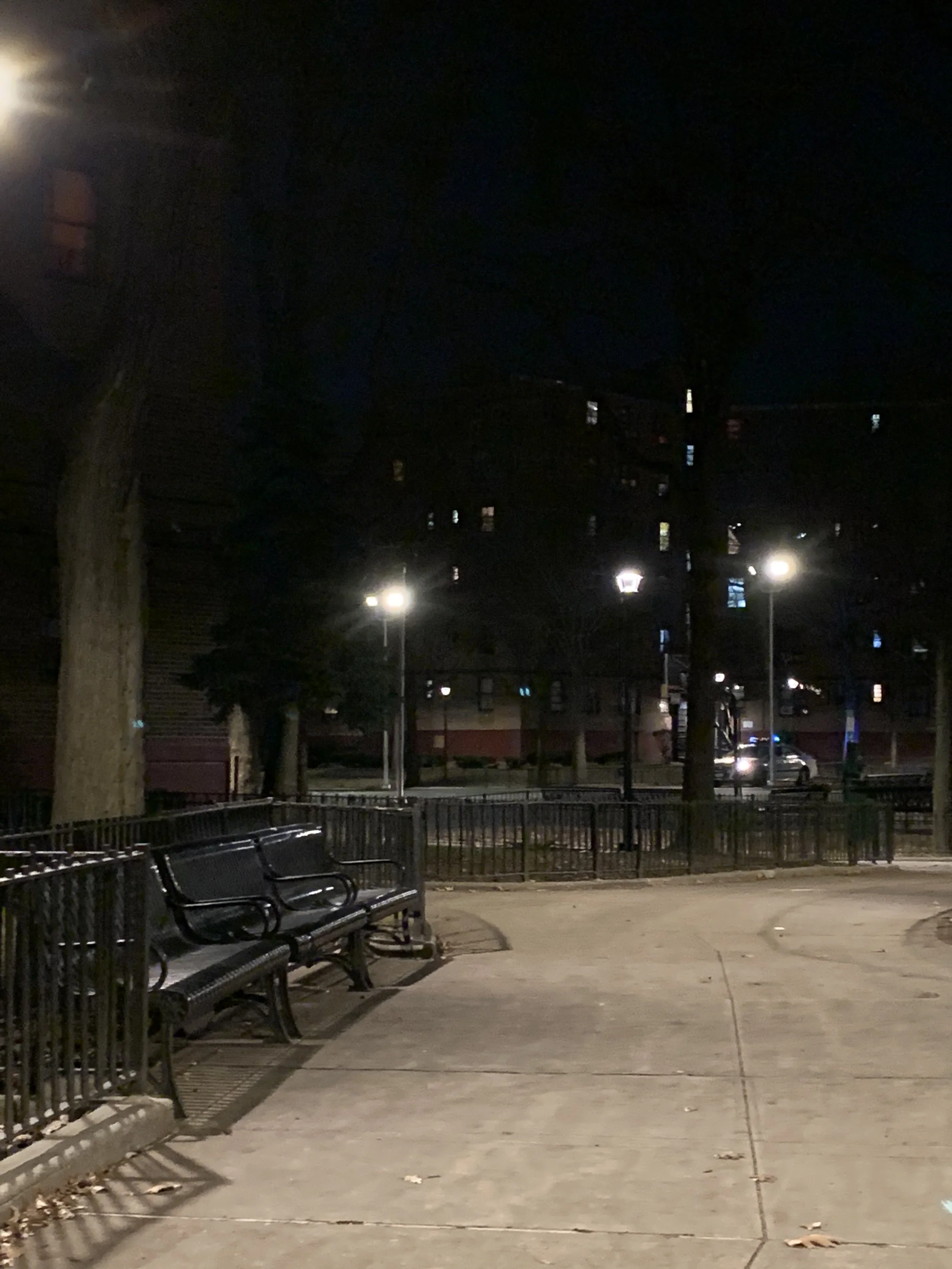
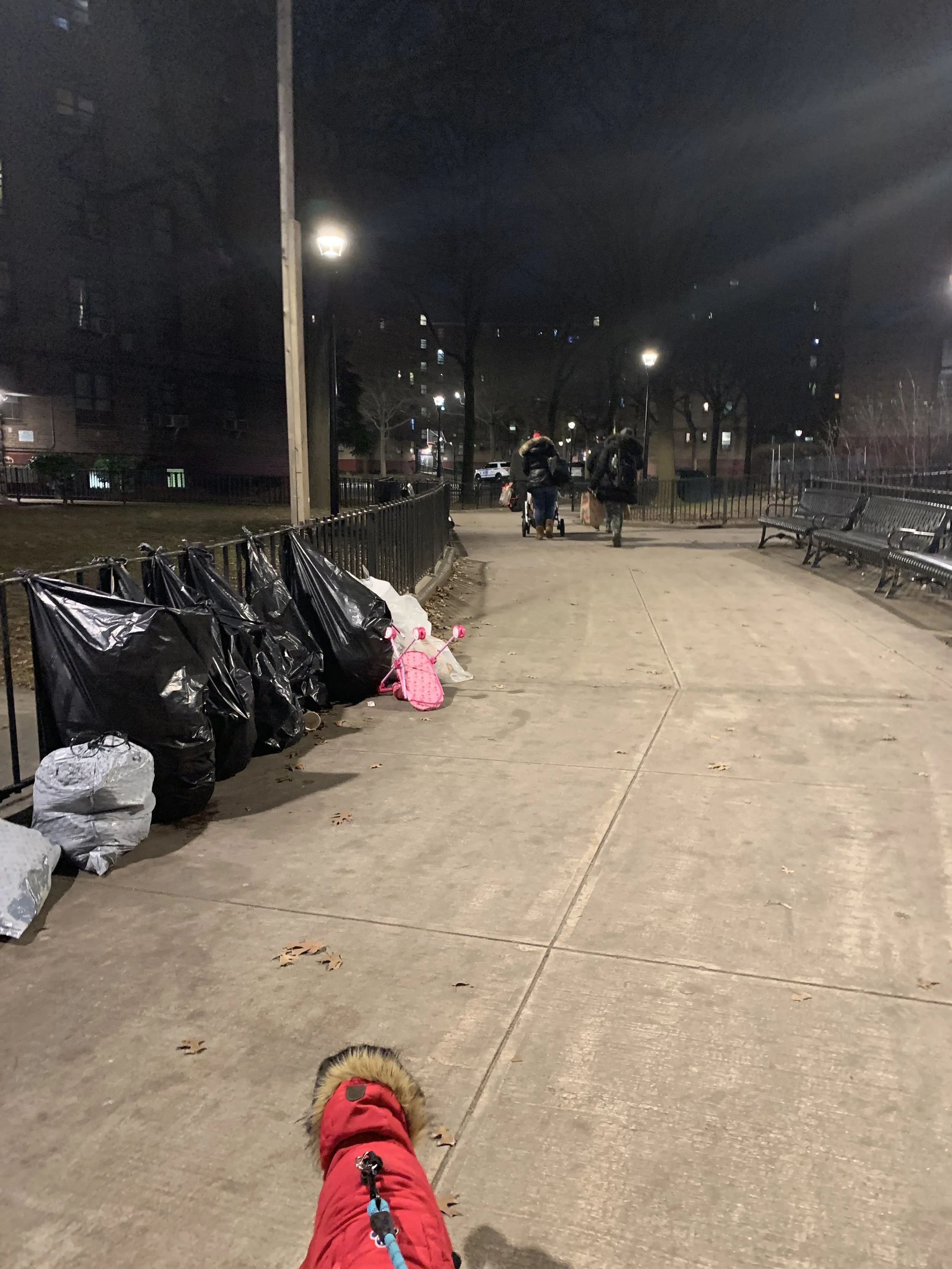
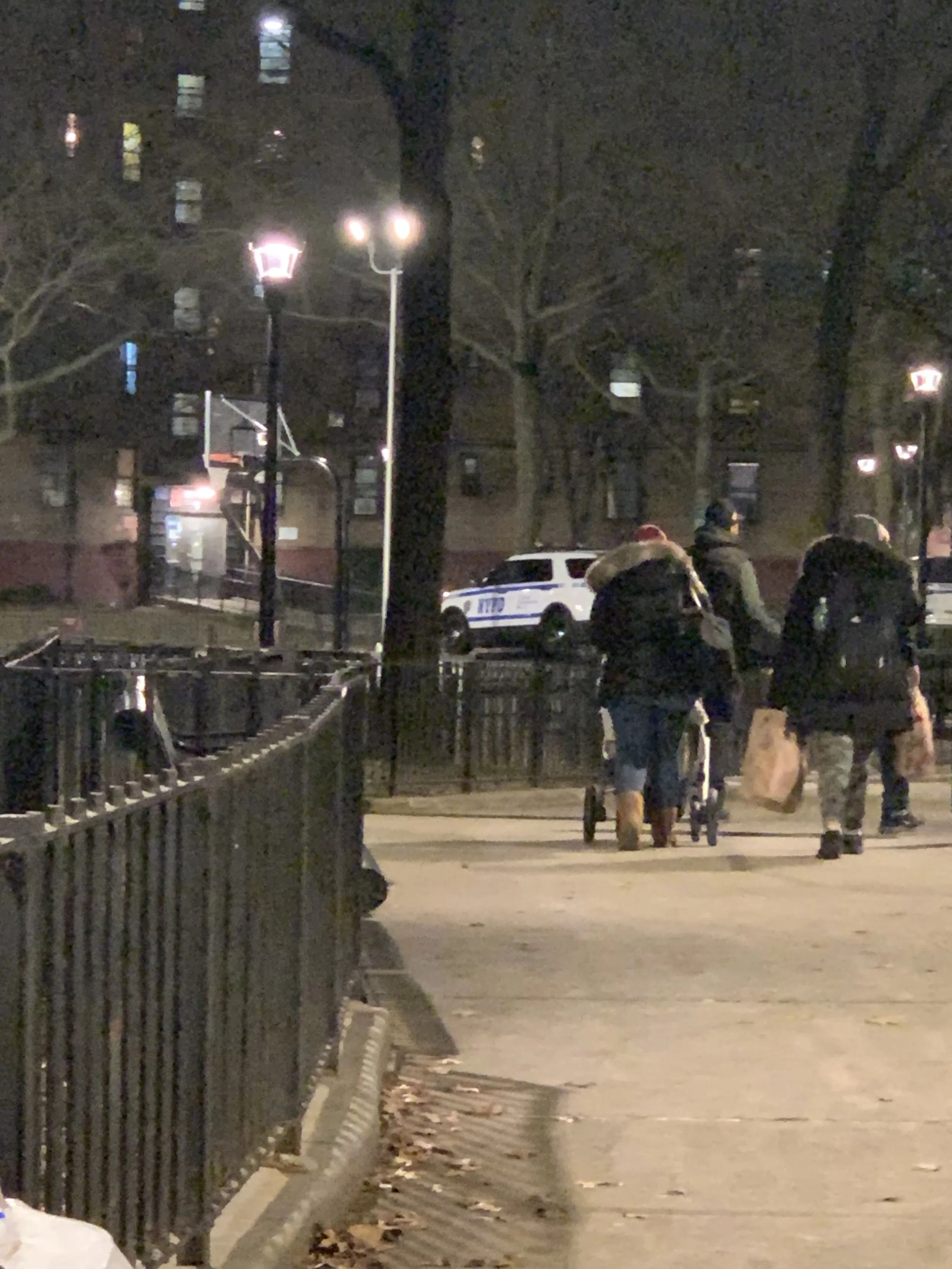
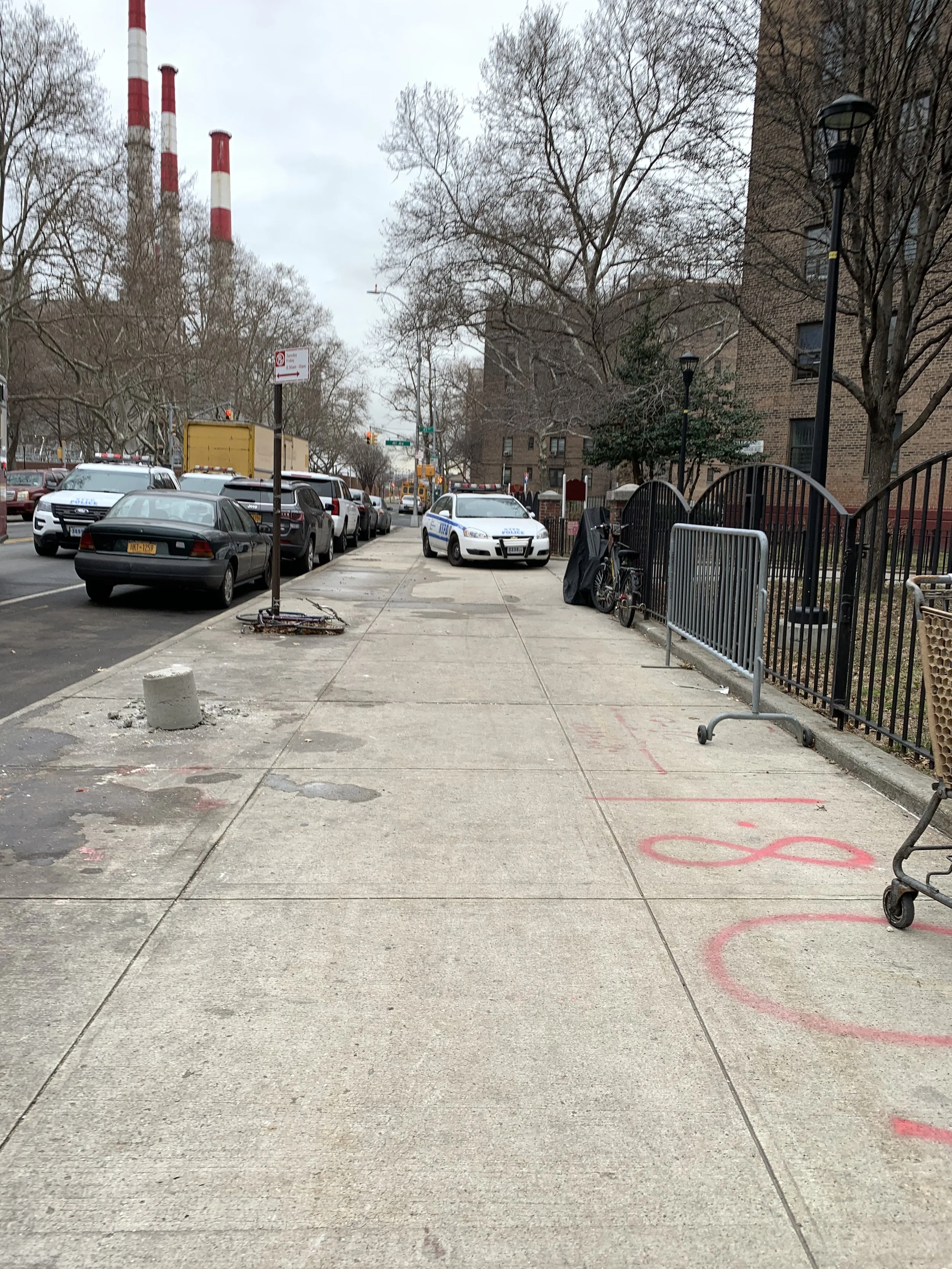
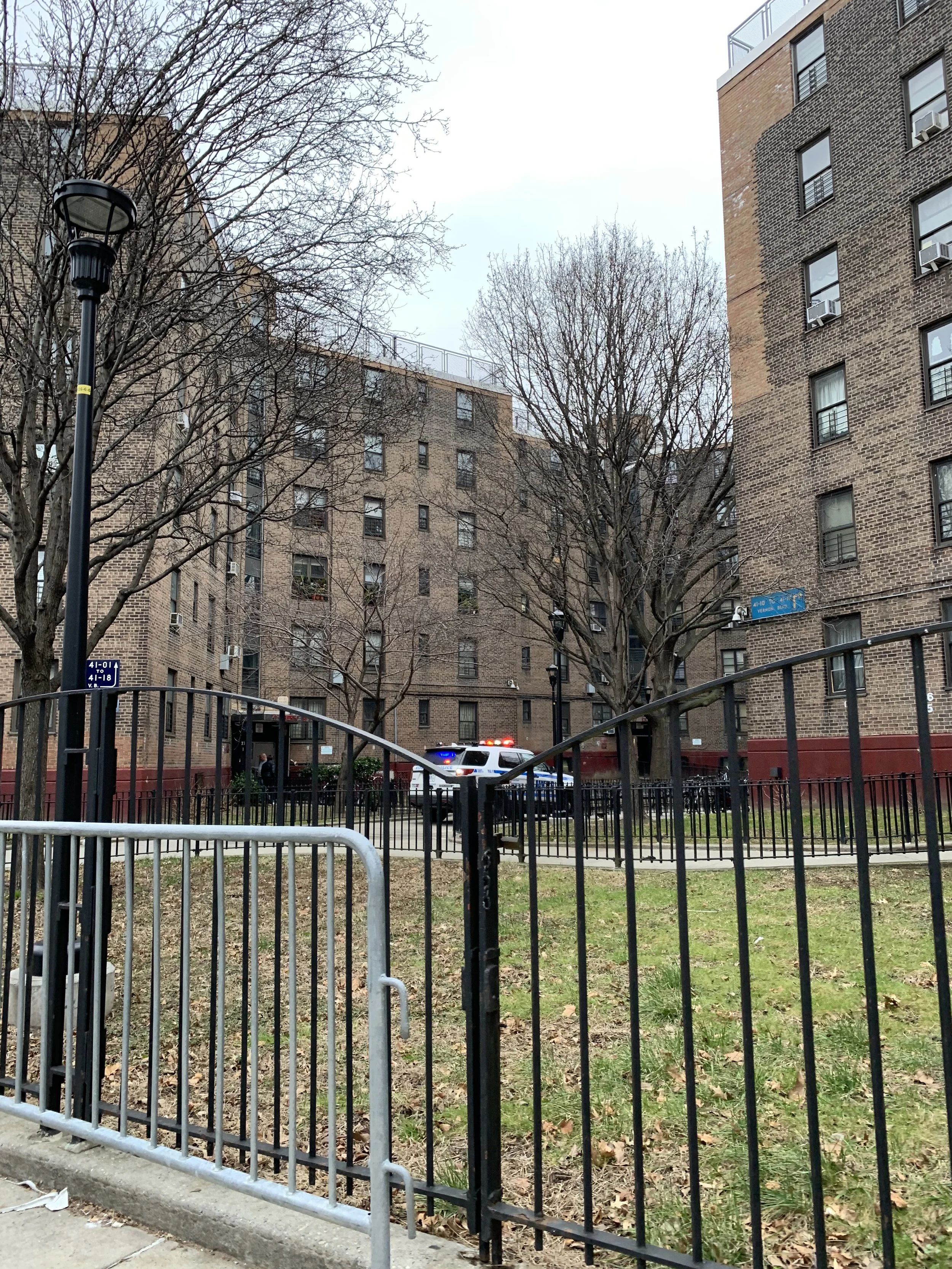
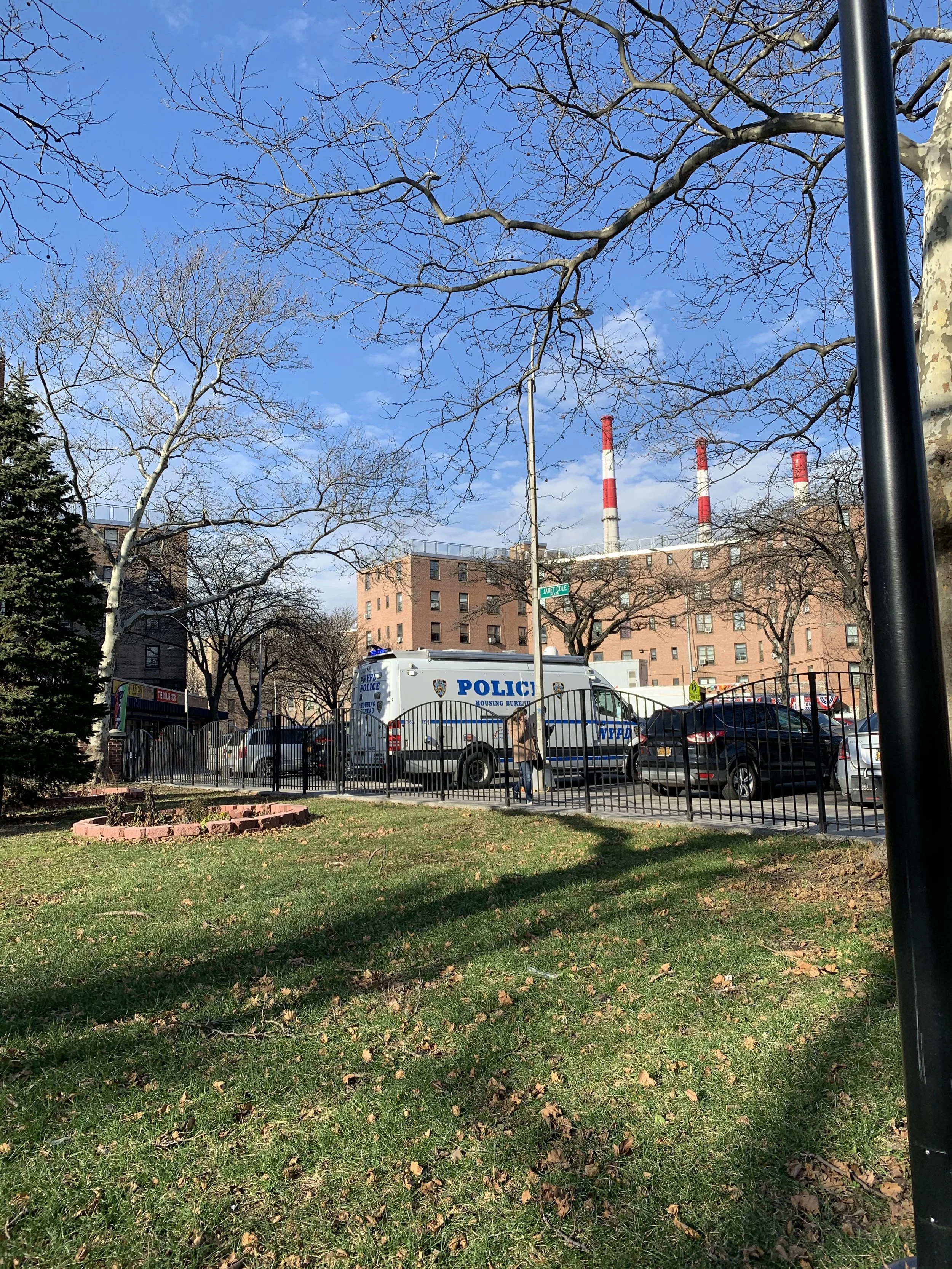
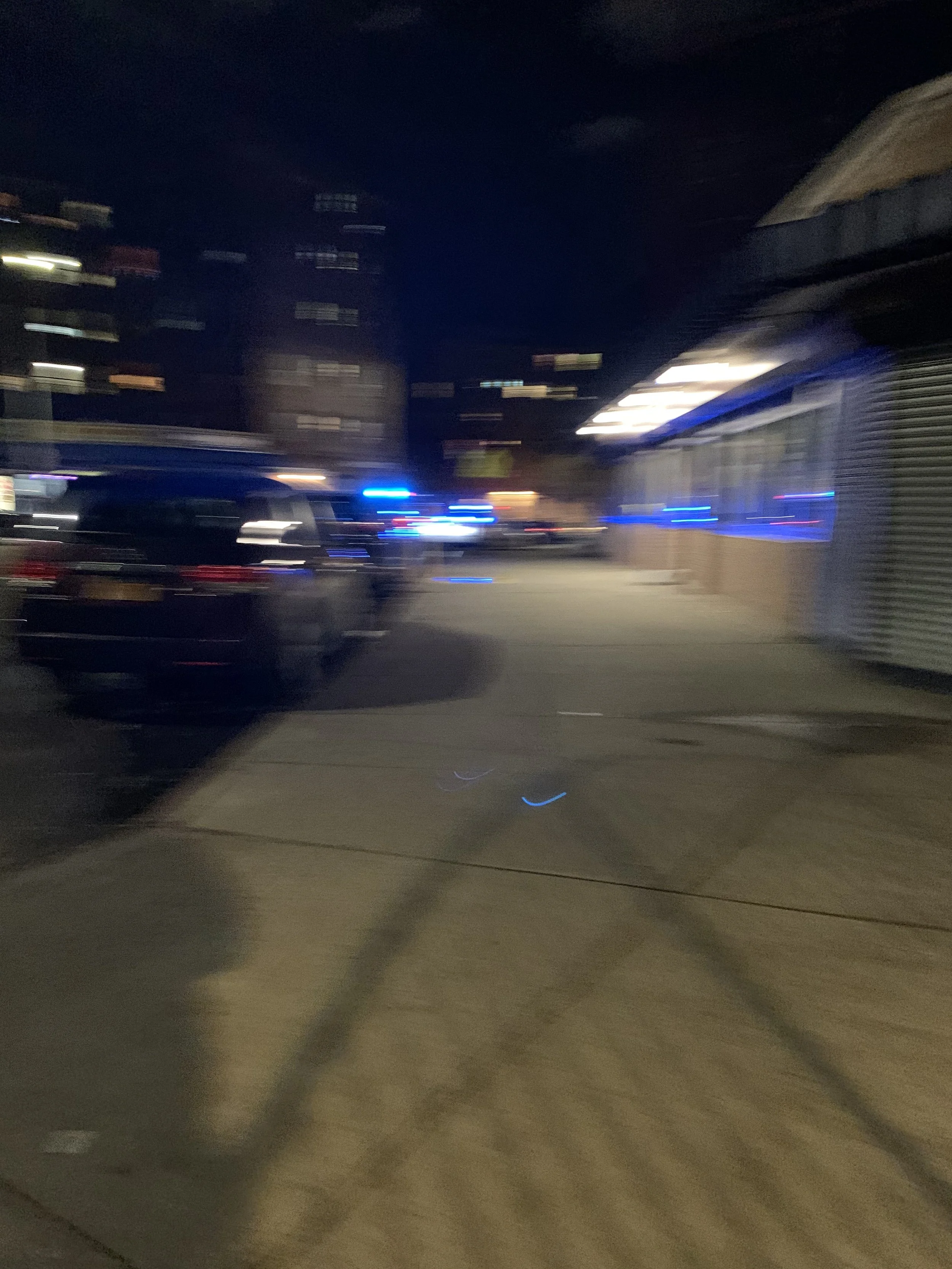
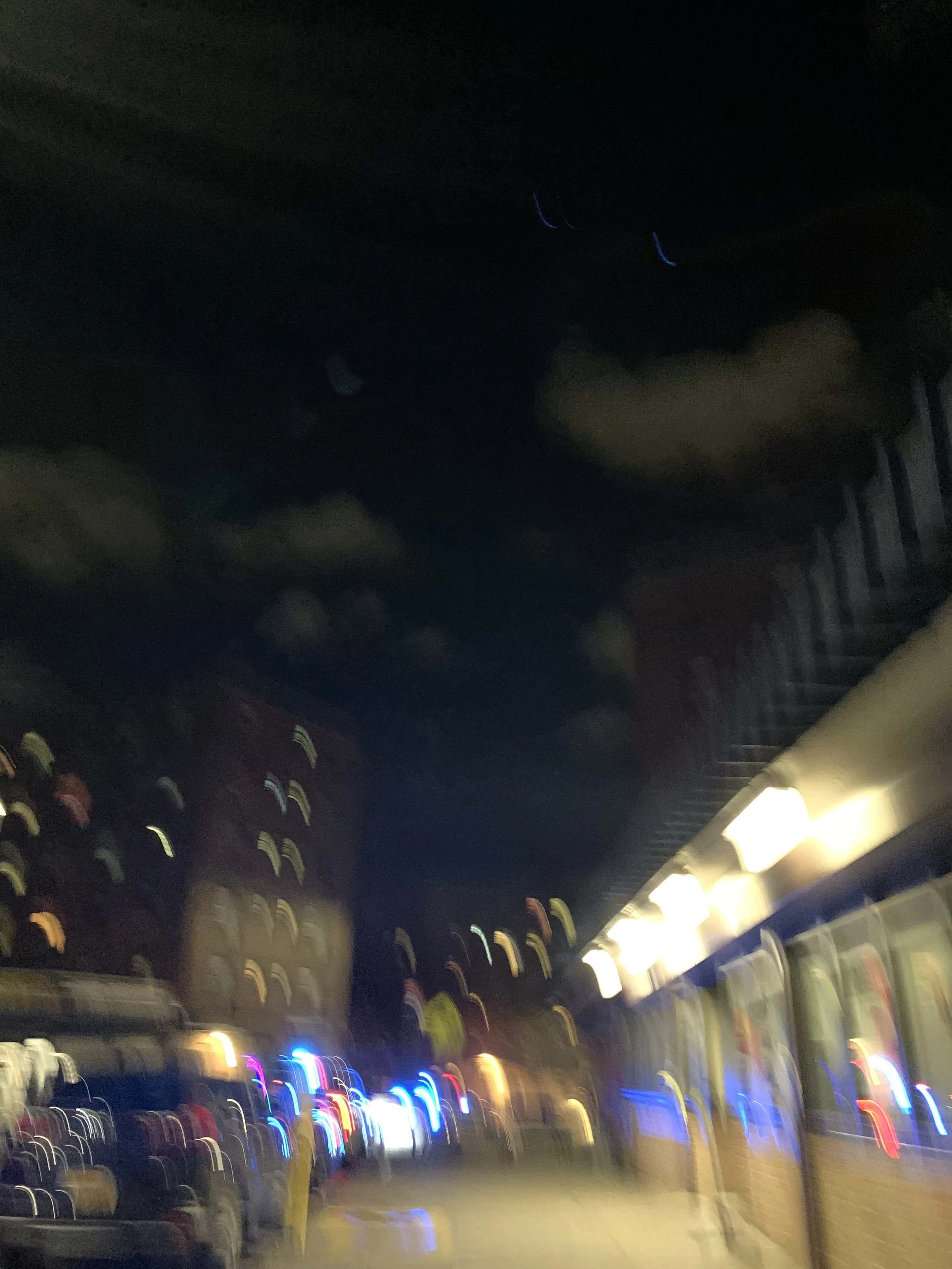
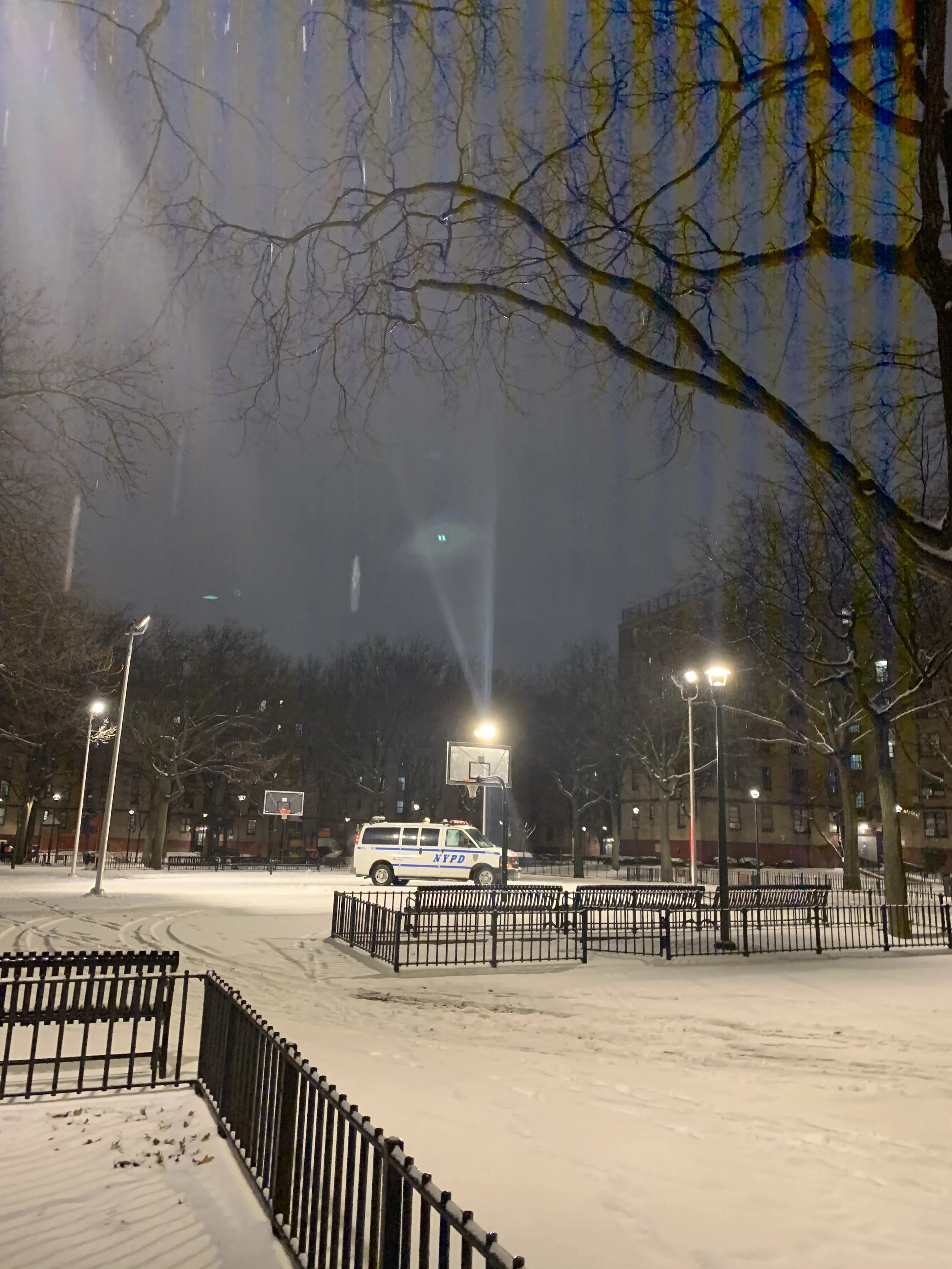
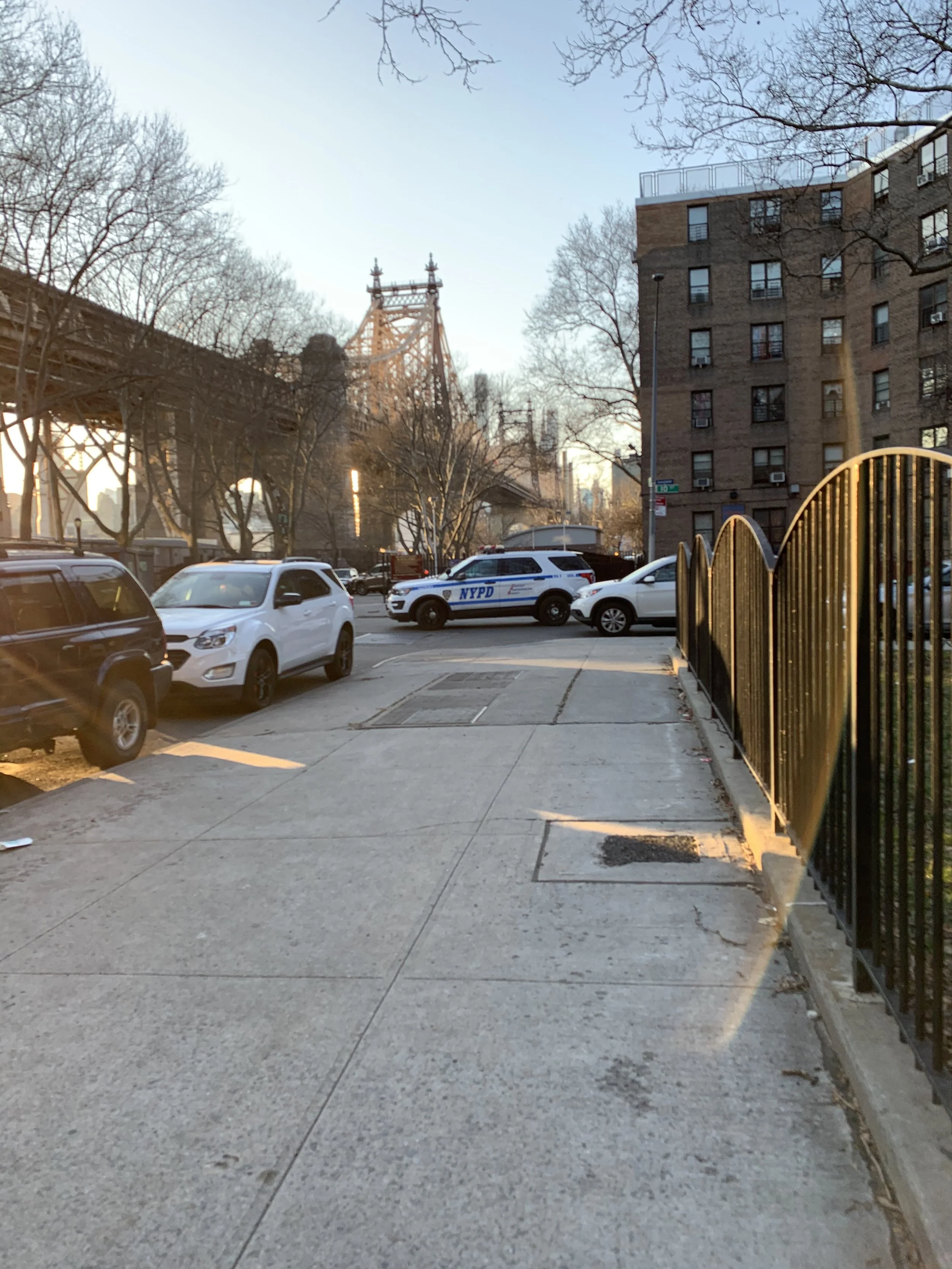
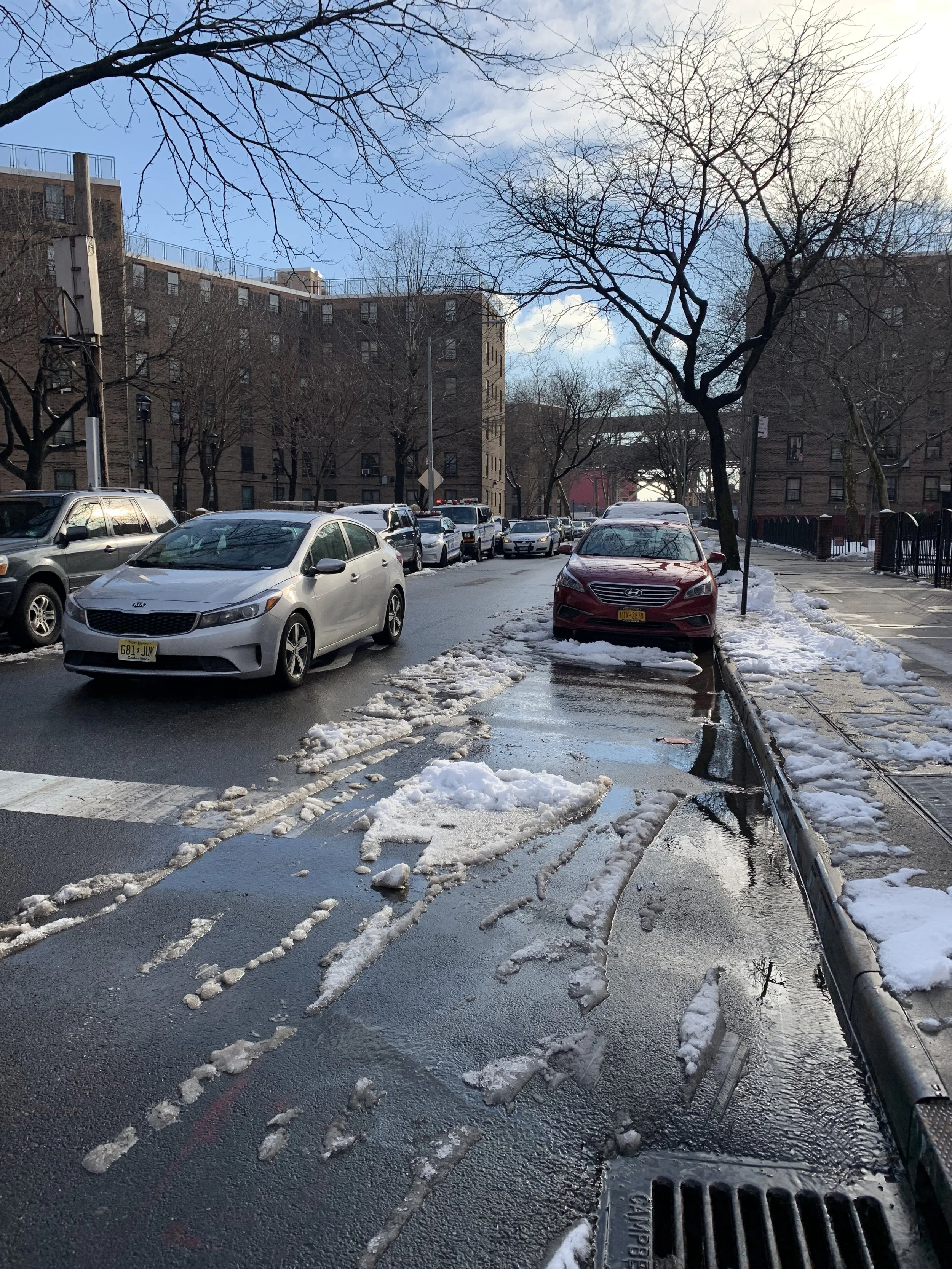
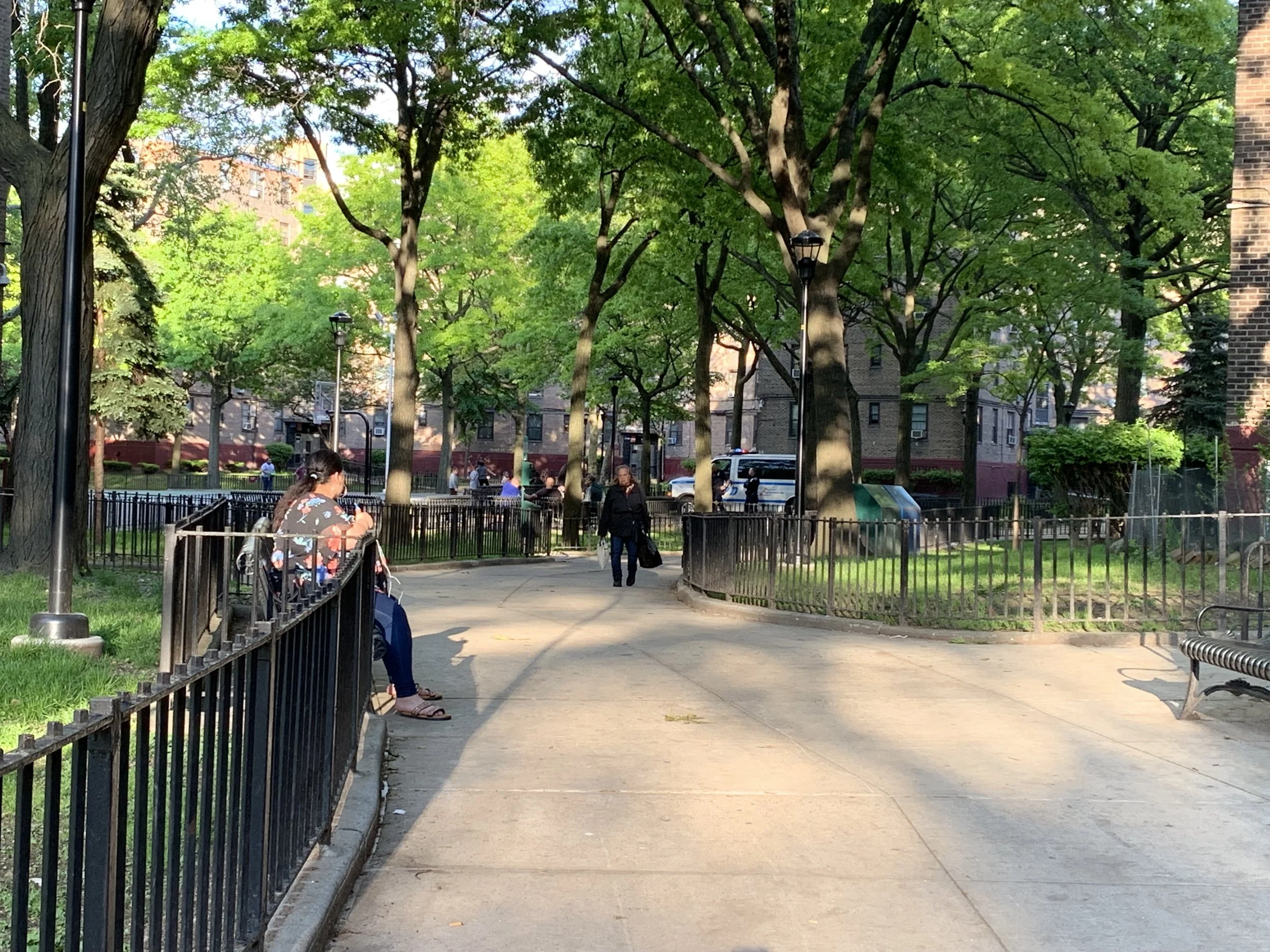
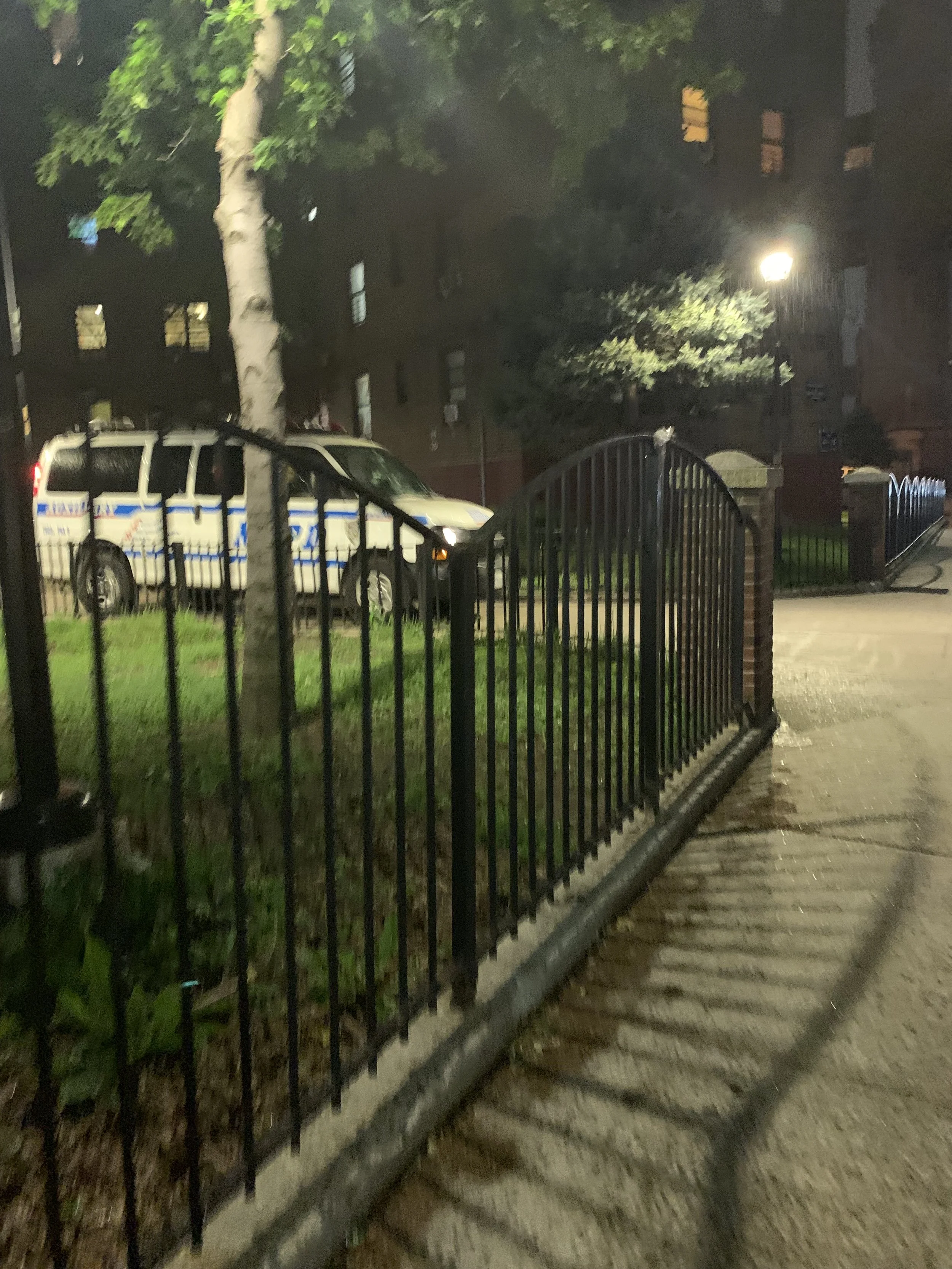
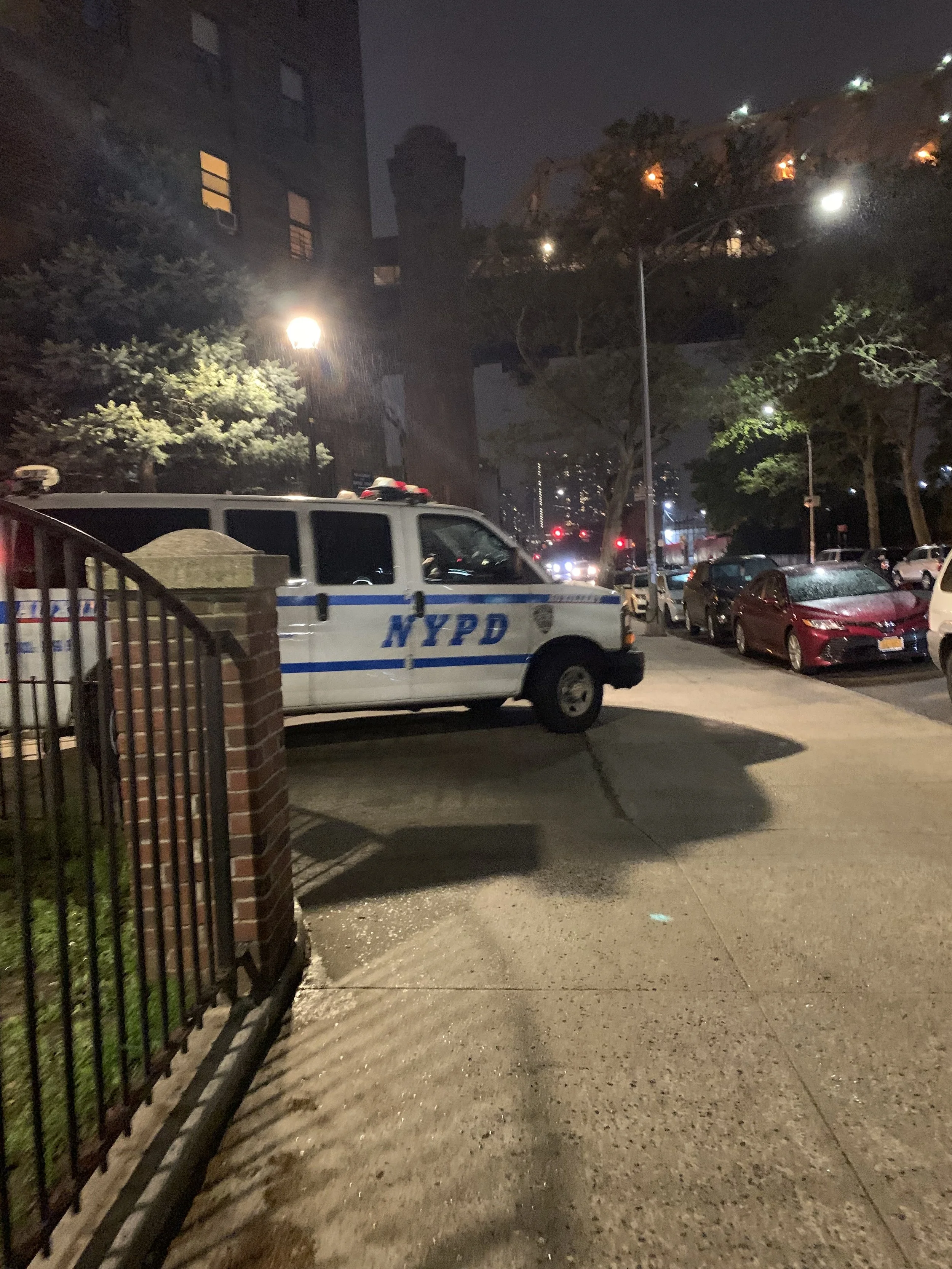
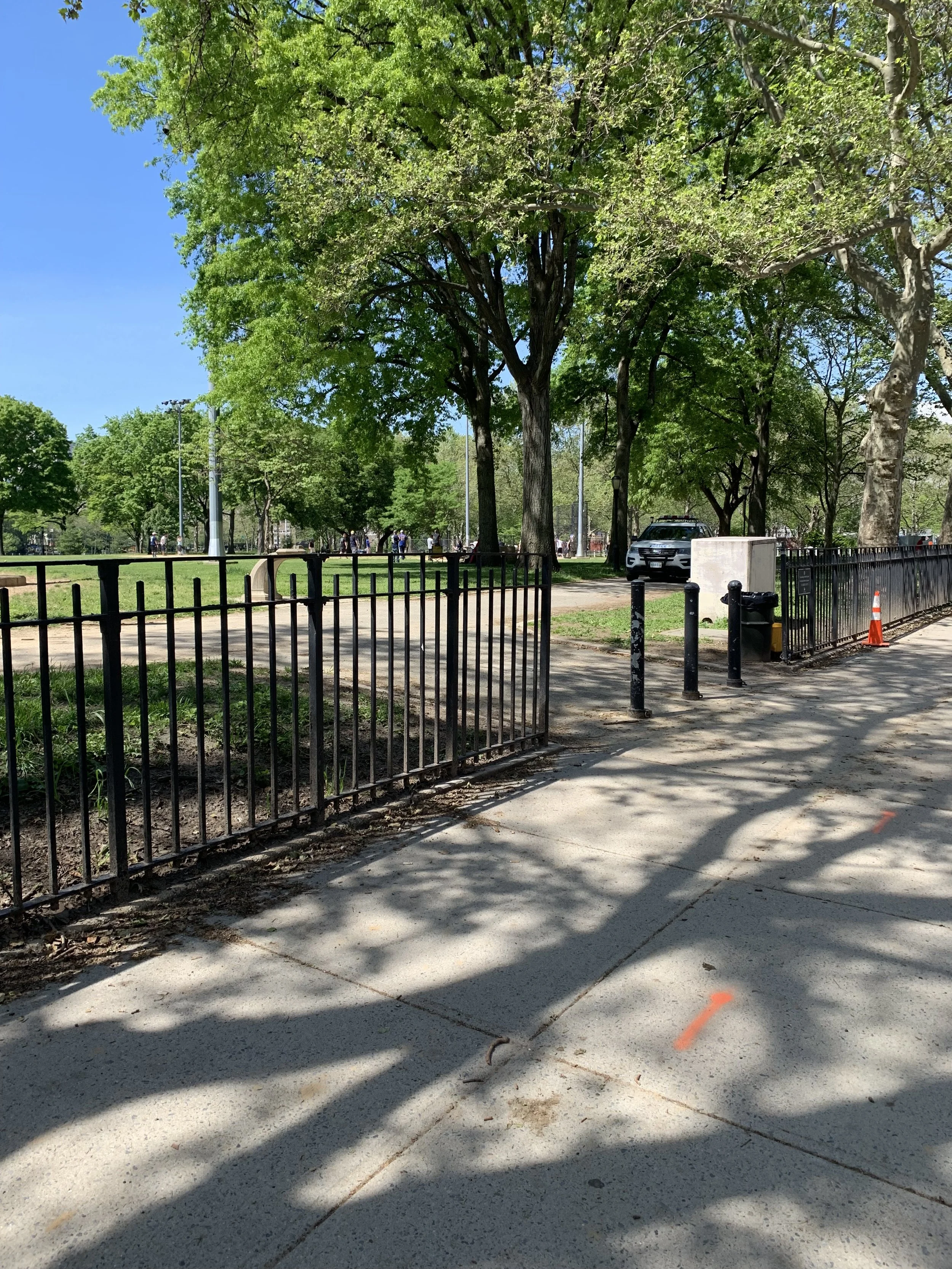
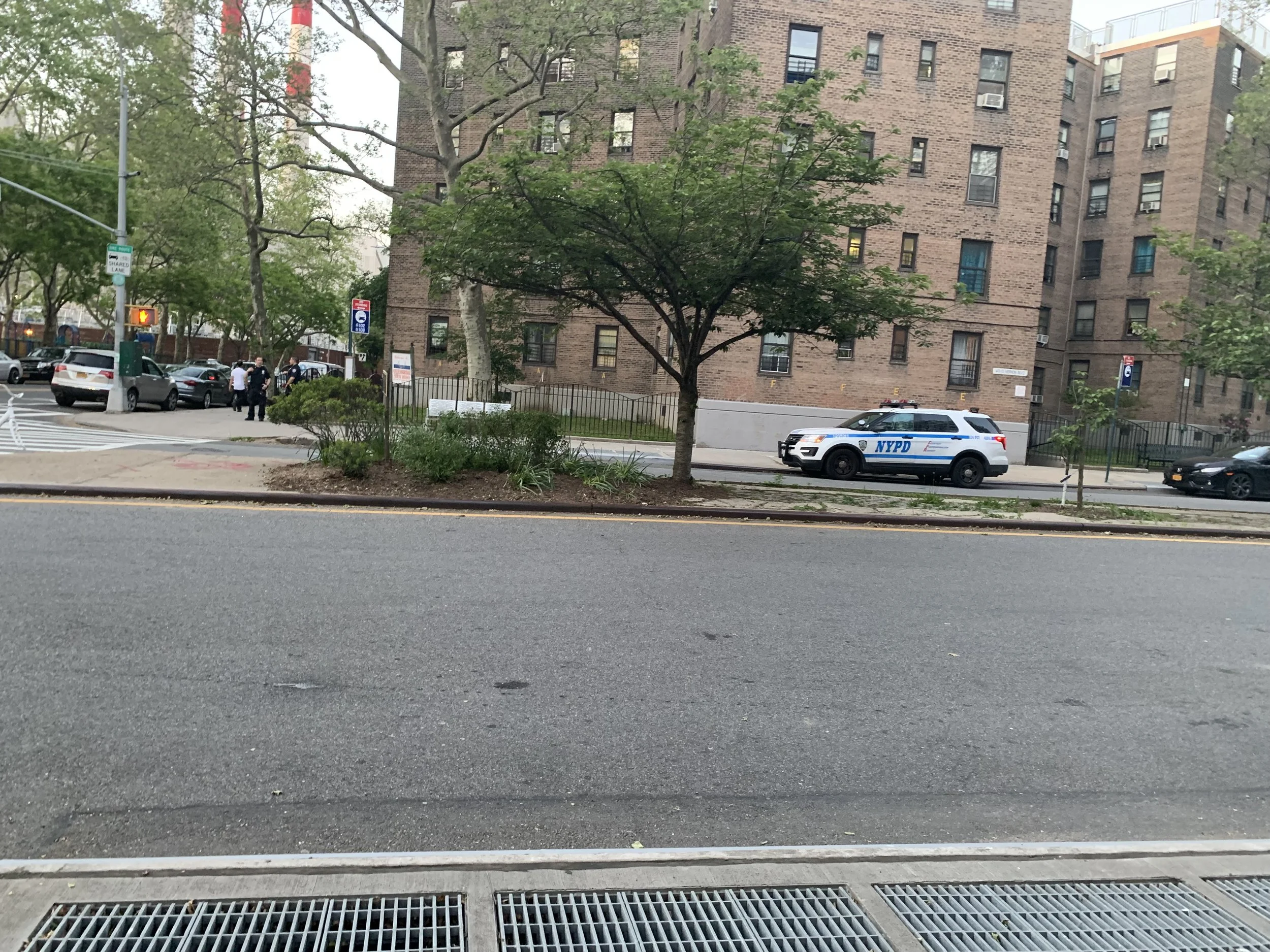
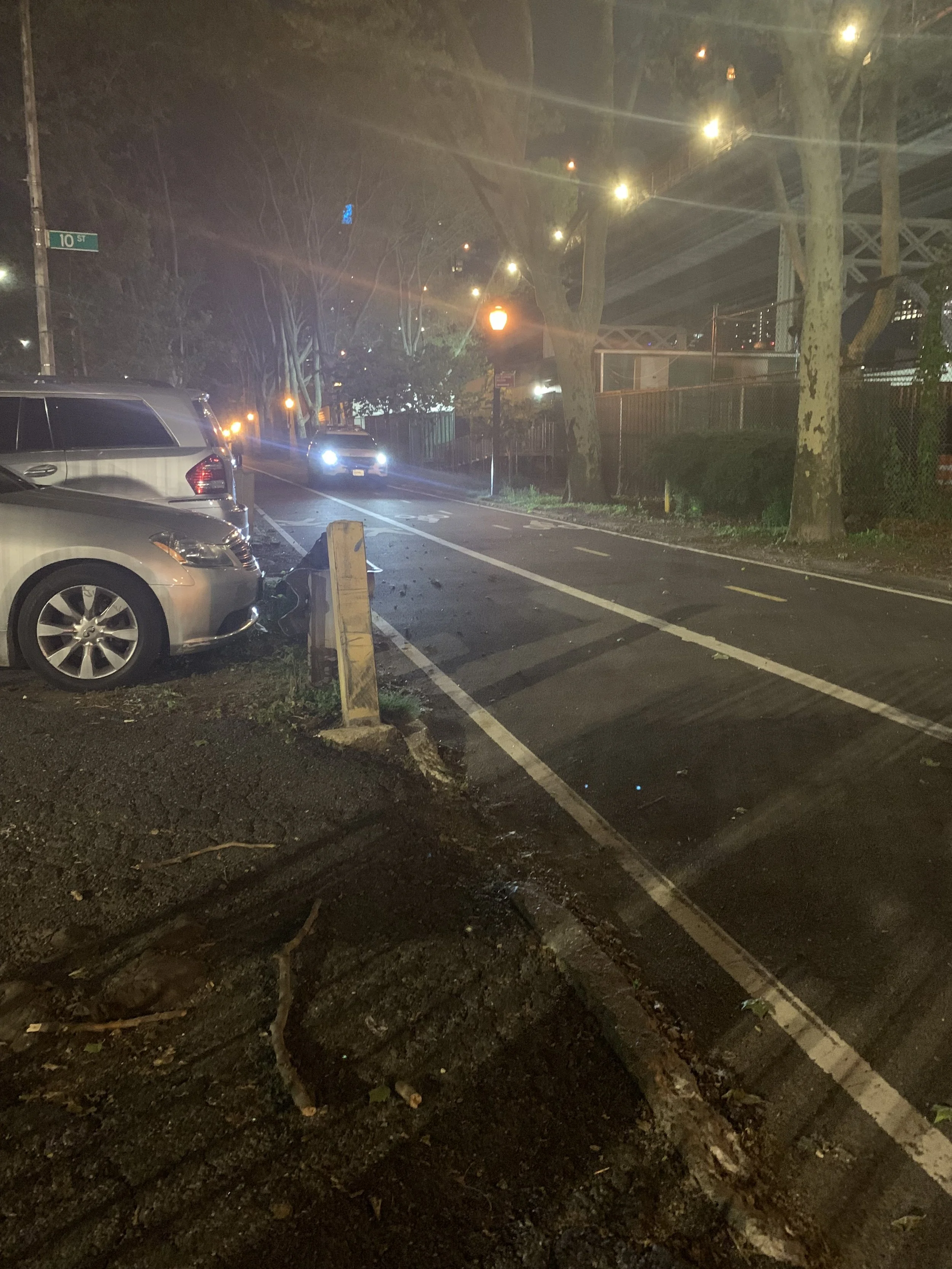
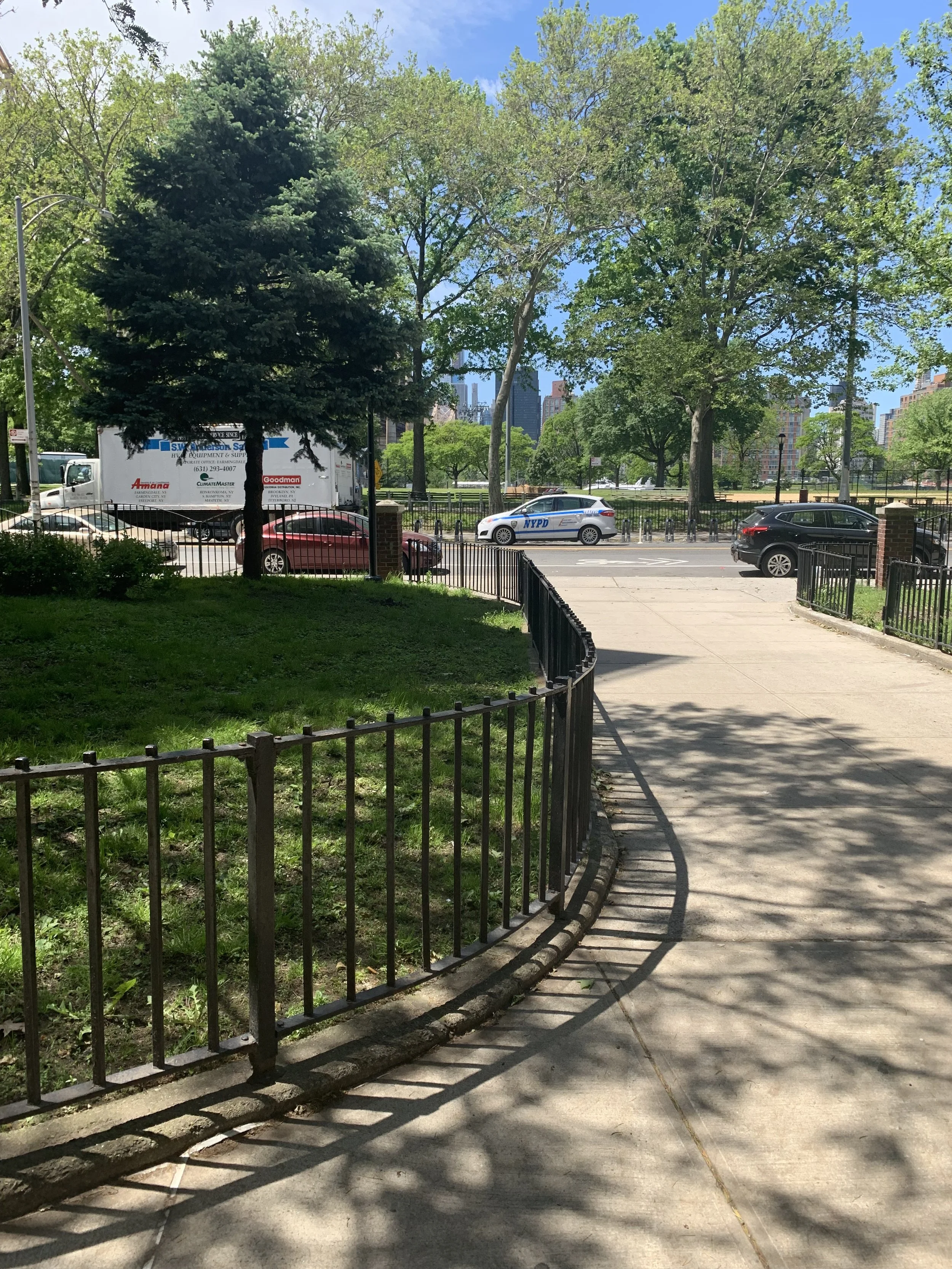
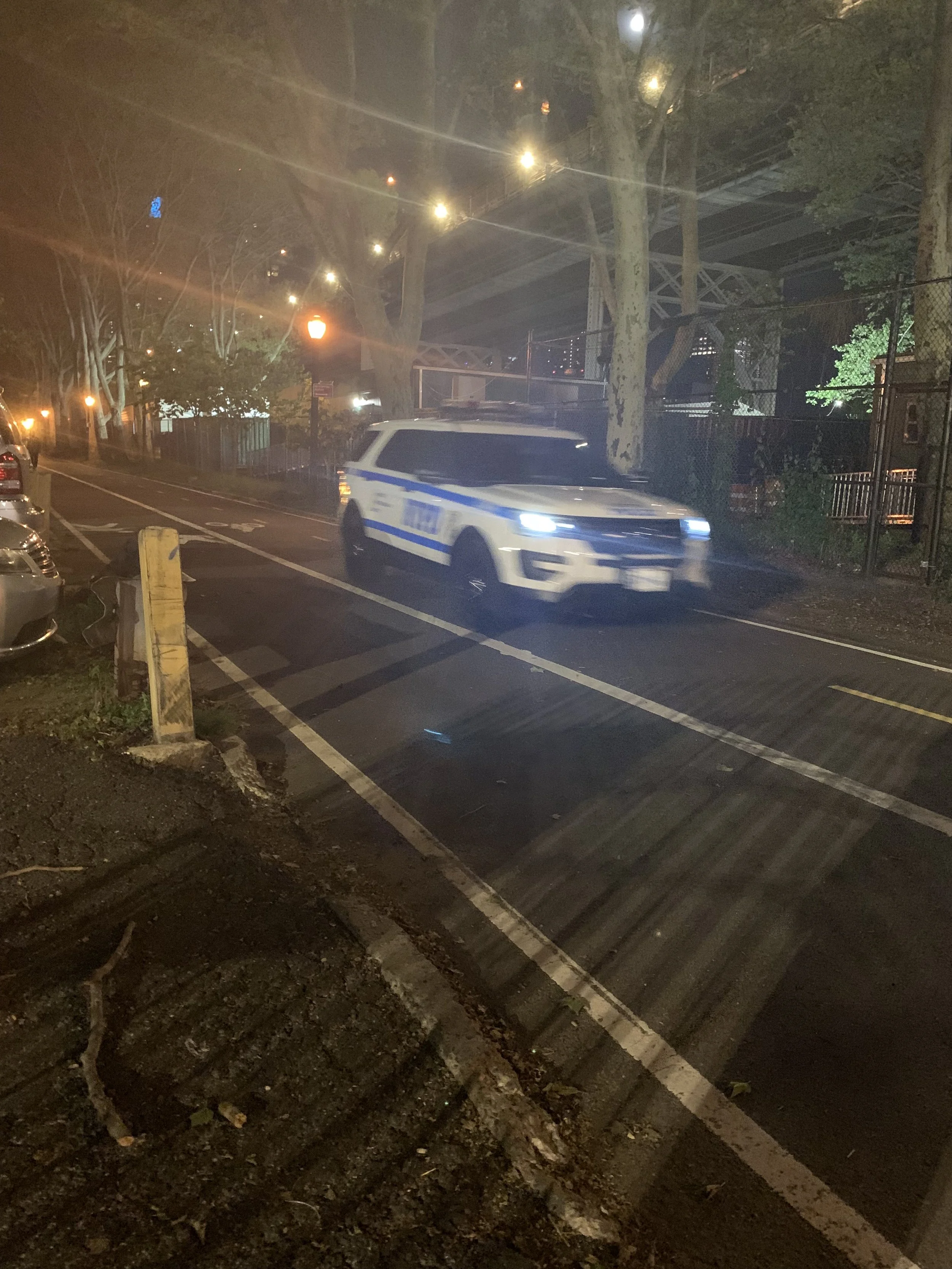
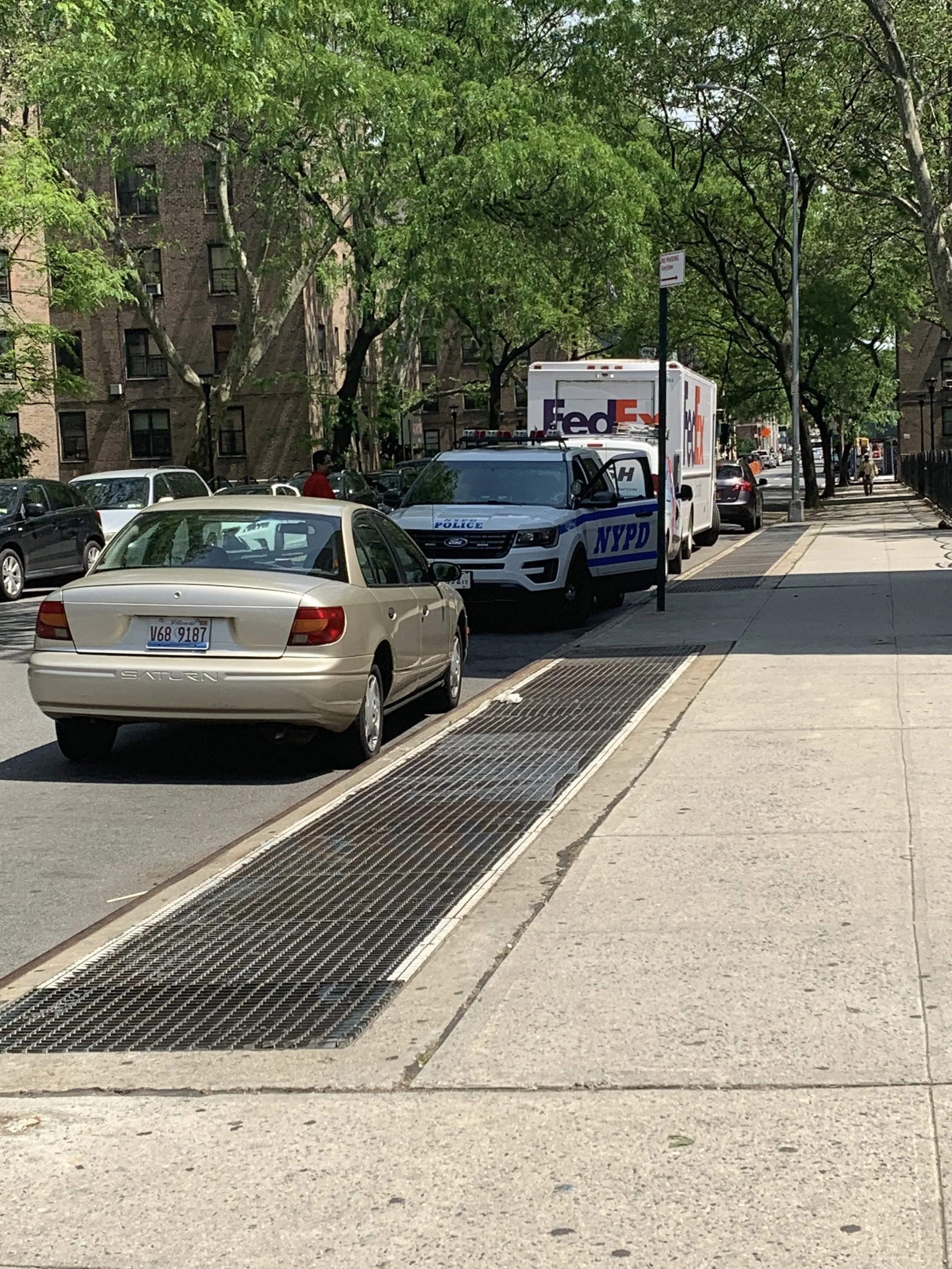
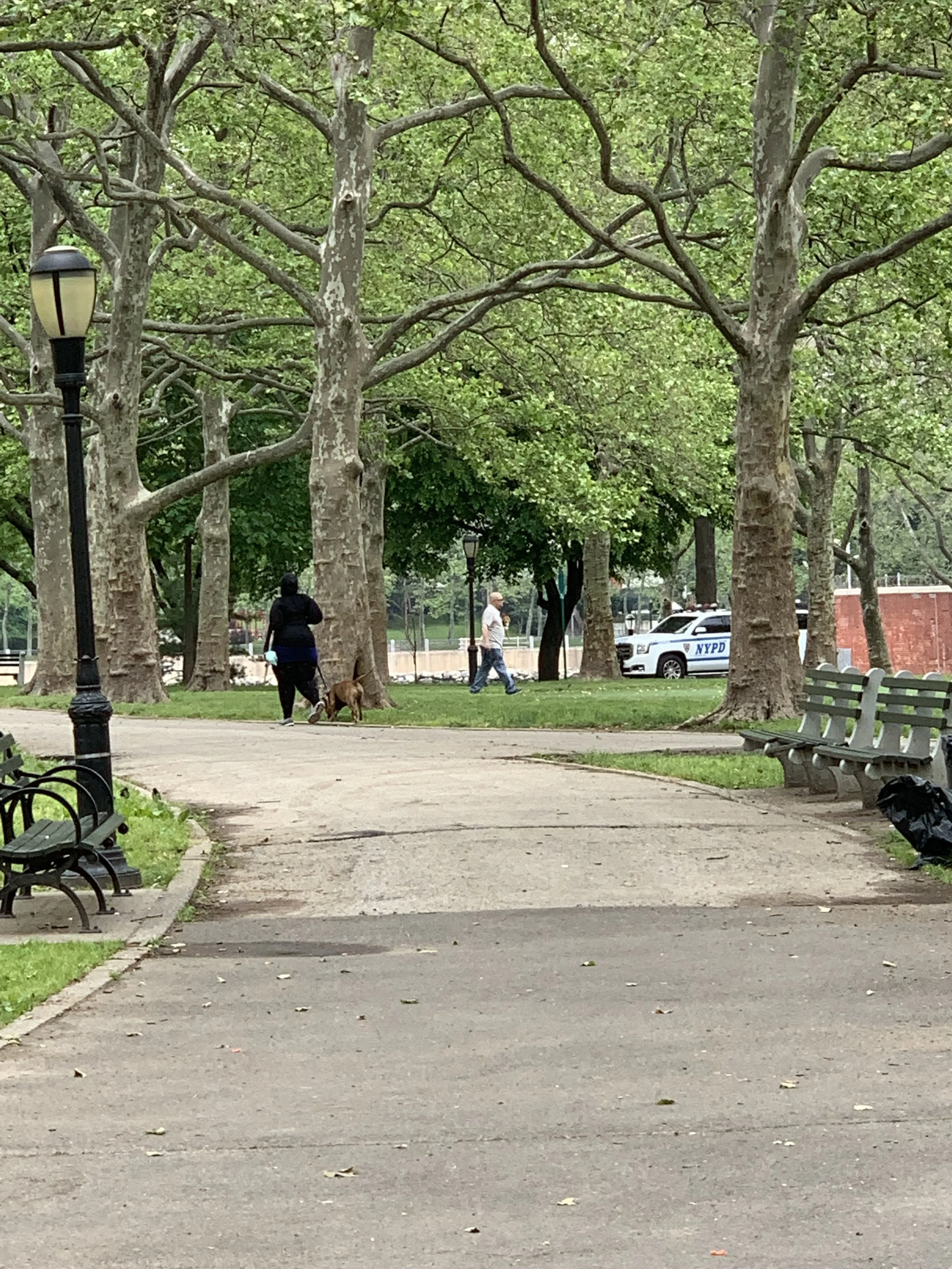
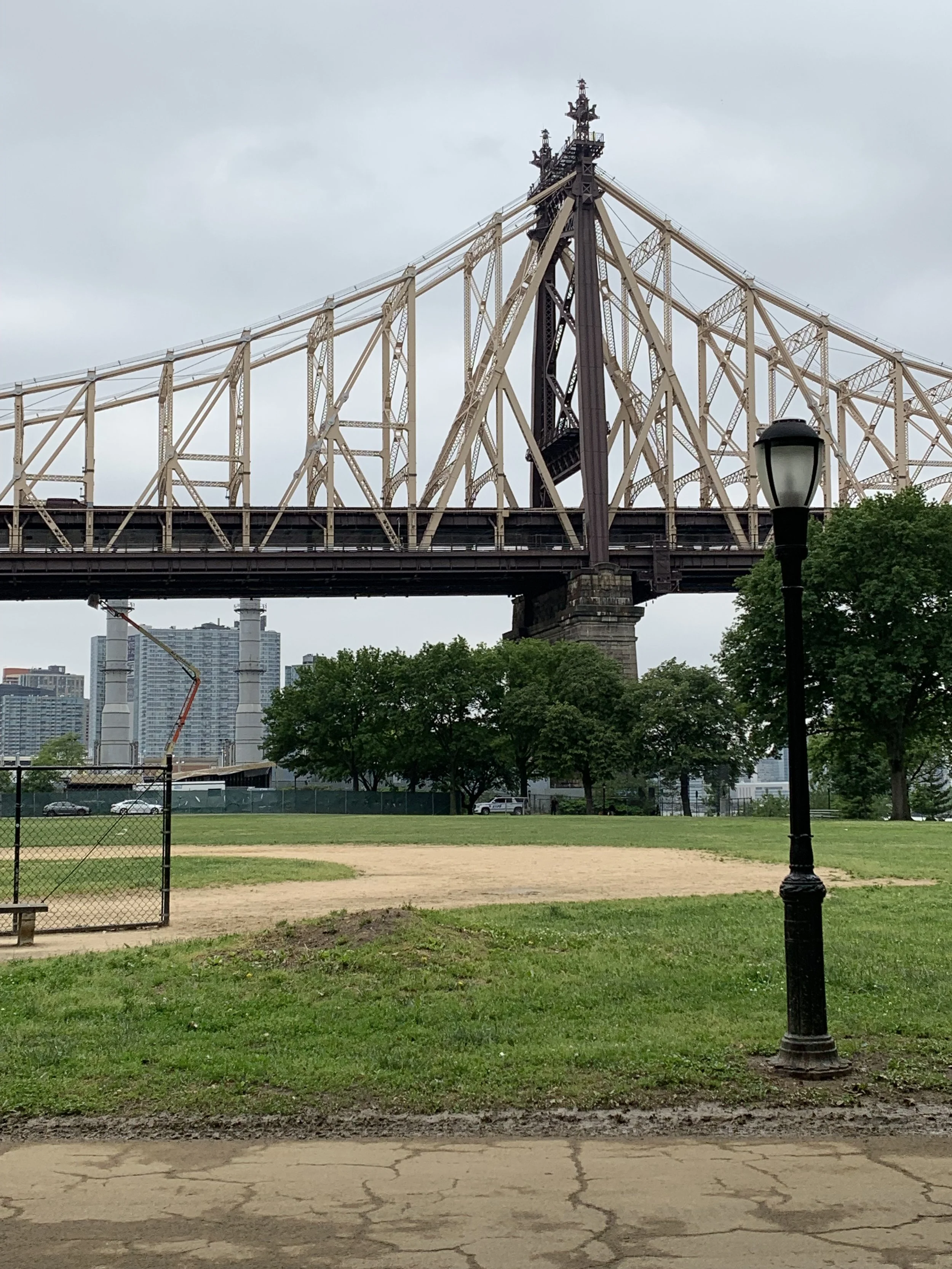
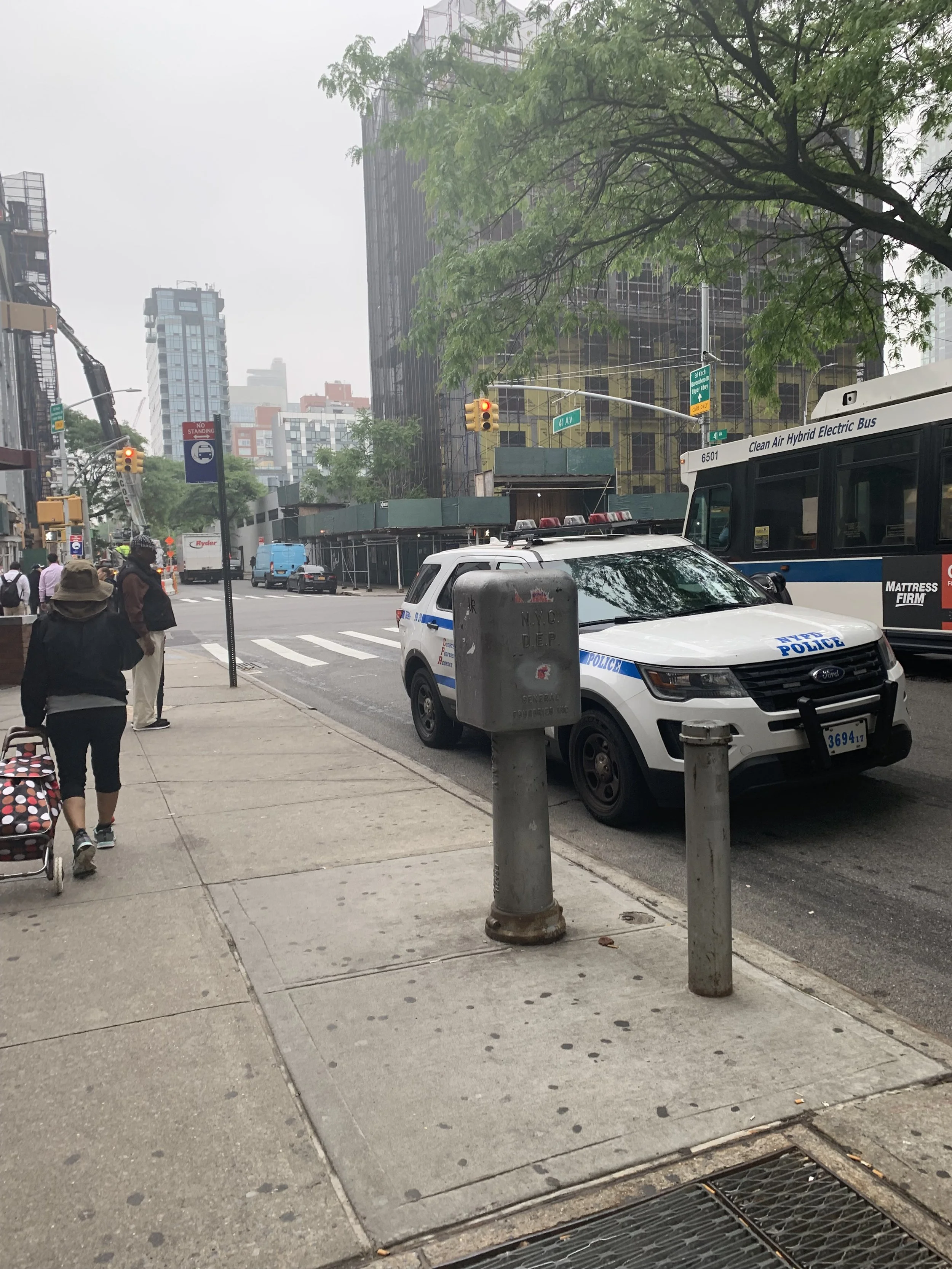
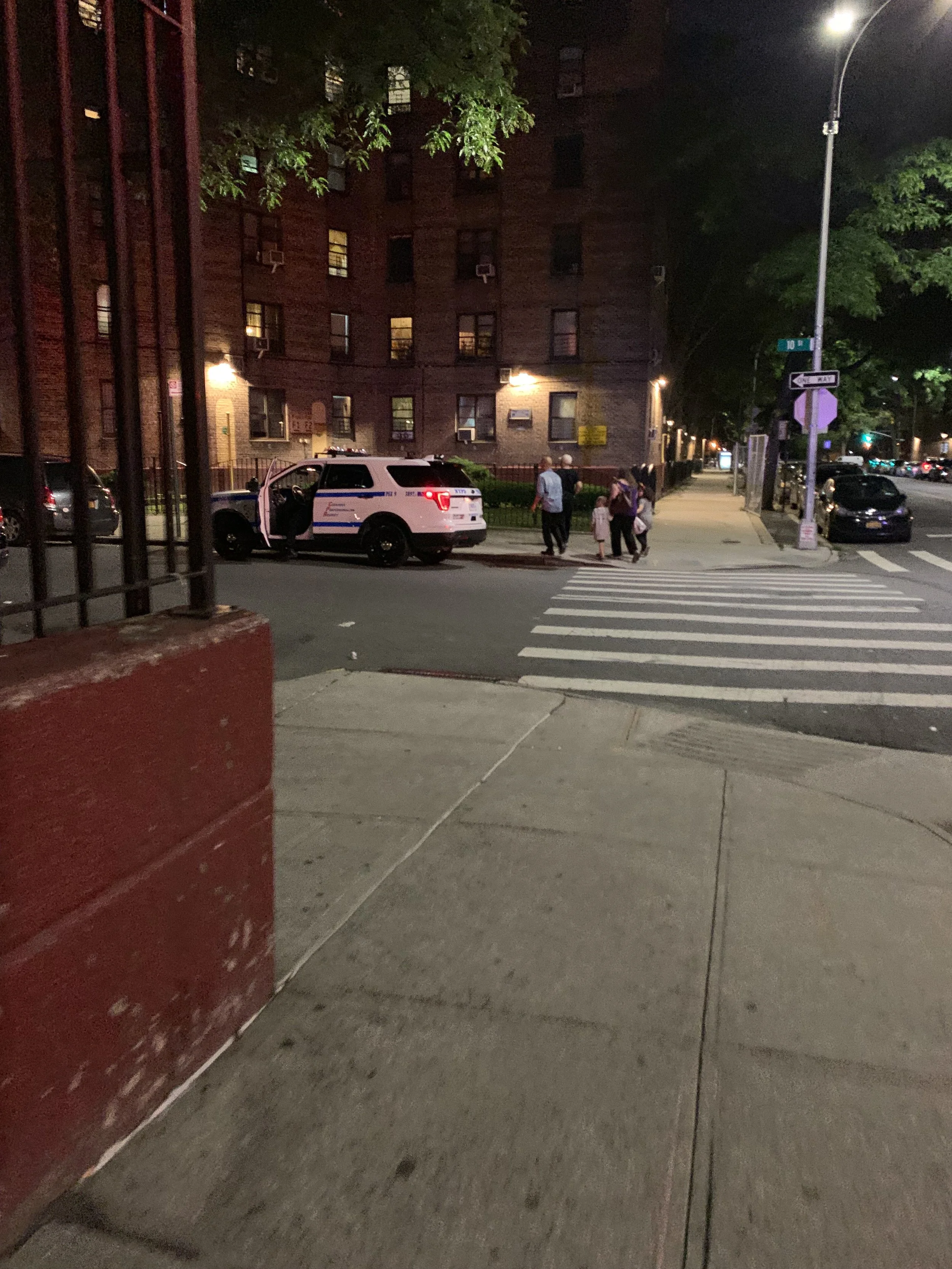
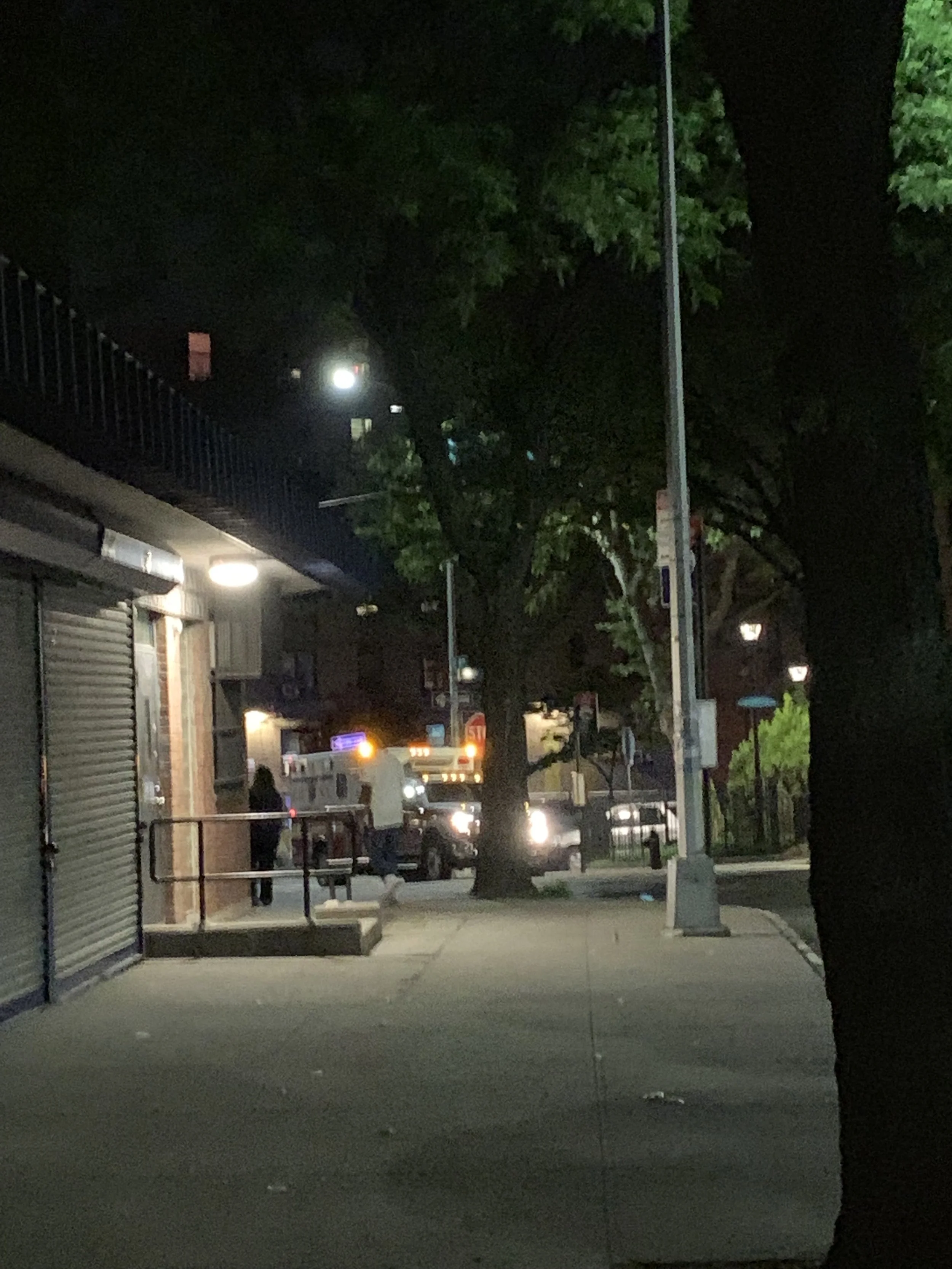
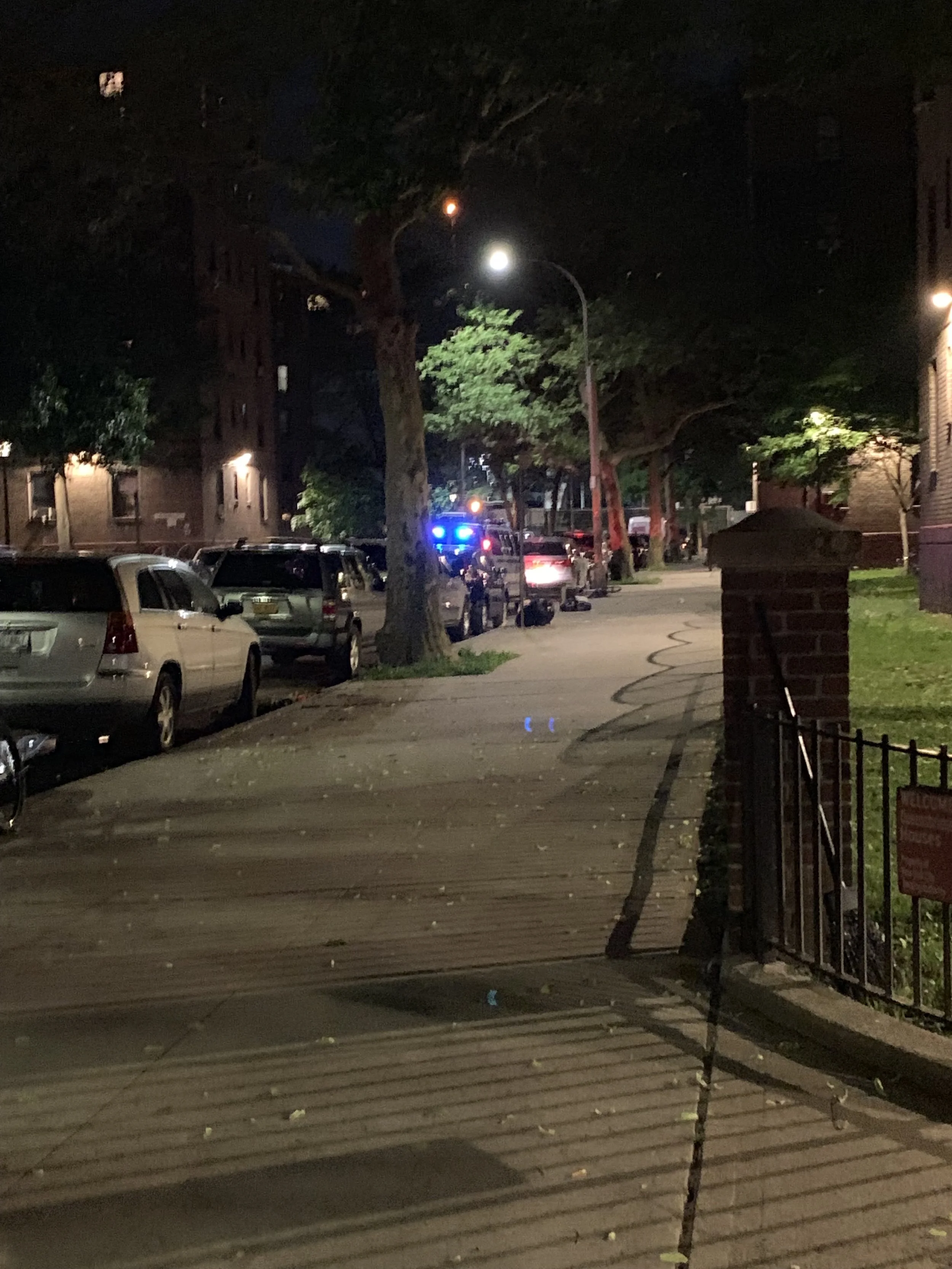
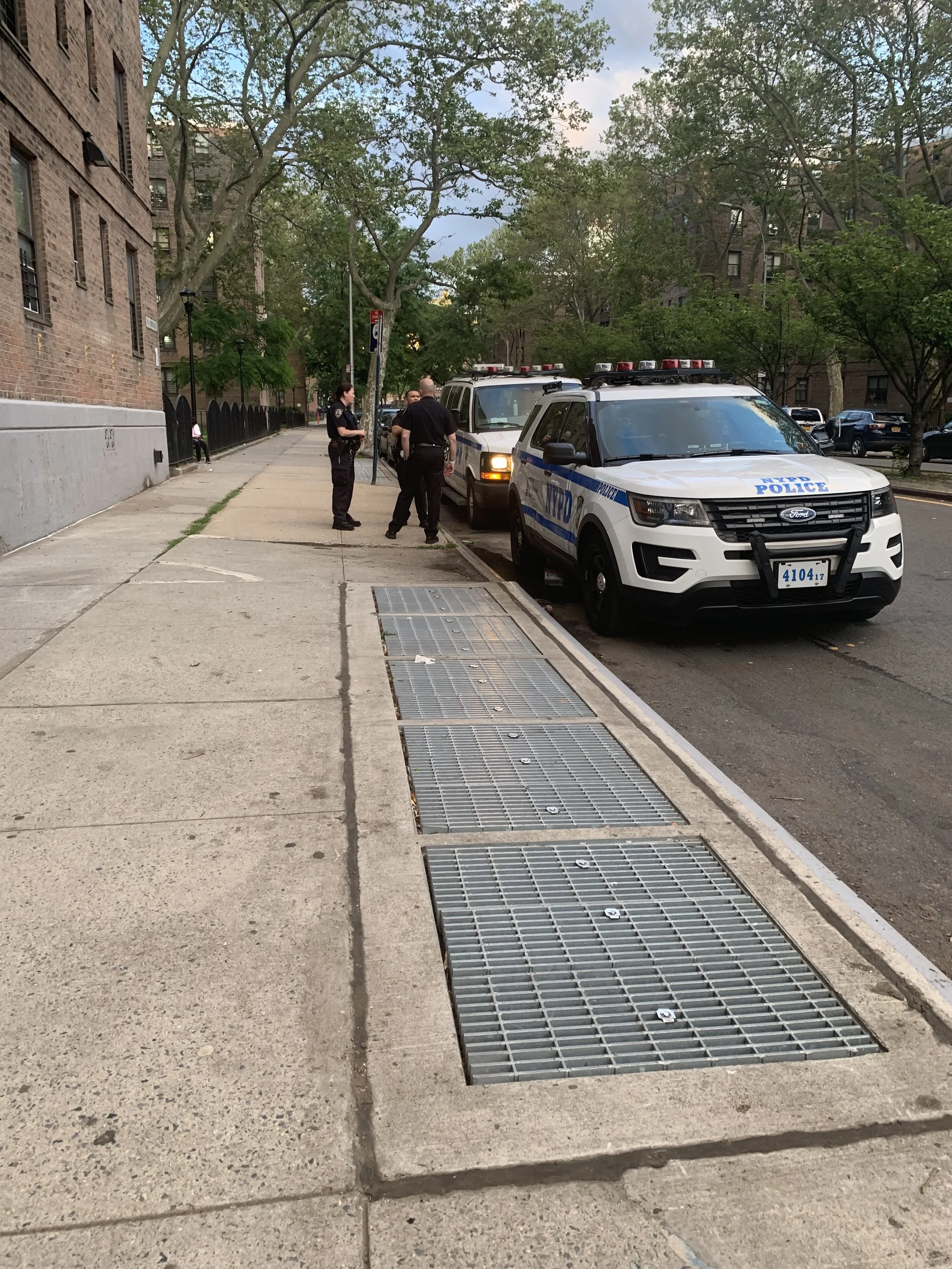
this series documents the constant daily survallnce the NYPD does in my neighbohood. this rings true for many of the black and brown neighborhoods in new york city.
In recent years, I have become increasingly interested in the presence of police in predominantly Black and POC neighborhoods, particularly in the context of the increased activism surrounding the Black Lives Matter movement. For several years, I photographed police officers and vehicles patrolling my neighborhood. What initially began as an instinctive act of documenting what I saw eventually became a way of examining surveillance, power, and the complicated relationship between Black communities and law enforcement.
Each photograph feels like a response to being watched. By photographing the police, I am reversing that relationship, even if only temporarily. I am making them visible in the same way that I have been made visible. The act of looking back becomes a small gesture of reclaiming power within a relationship where mutual trust, respect, and equal power have often been absent.
Sound and video have become another way for me to process these experiences. My audio works draw from recordings, news, videos, and moments connected to racial violence and the broader social and political climate surrounding 2020. Rather than simply documenting these events, I transform them into listening experiences that allow me to confront, organize, and process what I am witnessing.
Creating these soundtracks is an extremely time-consuming and emotional process. I may listen to a recording hundreds of times, isolating specific sounds, words, or moments that feel important. I consider what should be emphasized and what references to Black culture, popular culture, or my own experiences can deepen the work. Repetition eventually changes my relationship to the material. I begin to hear the recordings almost like beats or musical compositions, creating enough distance for me to engage with the material without becoming completely overwhelmed by it.
This process is also deeply personal. I often find it difficult to separate myself from stories of racial violence. I can watch the same video repeatedly, follow the news continuously, or carry an event with me long after it has happened. The people I see in these recordings could easily be me, a member of my family, or someone from my community. That awareness creates both gratitude for my own survival and an ongoing sense of fear and vulnerability.
Making this work has become a way for me to hold space for that pain without allowing it to consume me. It is a form of processing, but it is also a form of remembrance. I do not want these people or their stories to disappear into the endless cycle of news and social media. At the same time, I am conscious of how easily these tragedies can become performative online, where sharing images and information can sometimes become more about personal visibility than meaningful understanding. My work attempts to resist that cycle by creating a slower, more intimate encounter.
I want my work to create a face-to-face confrontation with the systems that shape Black life in America while still allowing room for personal connection. Ultimately, I am interested in what happens when documentation becomes a form of healing, when observation becomes a form of resistance, and when personal experience becomes a way of creating understanding between people.
Through these listening and viewing experiences, I hope to reach audiences who may not fully understand the Black Lives Matter movement or the distrust that exists between many Black communities and law enforcement. I do not expect art to provide simple answers to these complicated realities. Instead, I want the work to create a space where viewers can listen, empathize, question their own assumptions, and begin to understand why these experiences carry such profound emotional weight. For me, making art is a way of remembering, processing, and reclaiming power—and ultimately, a way of imagining what change could look like.
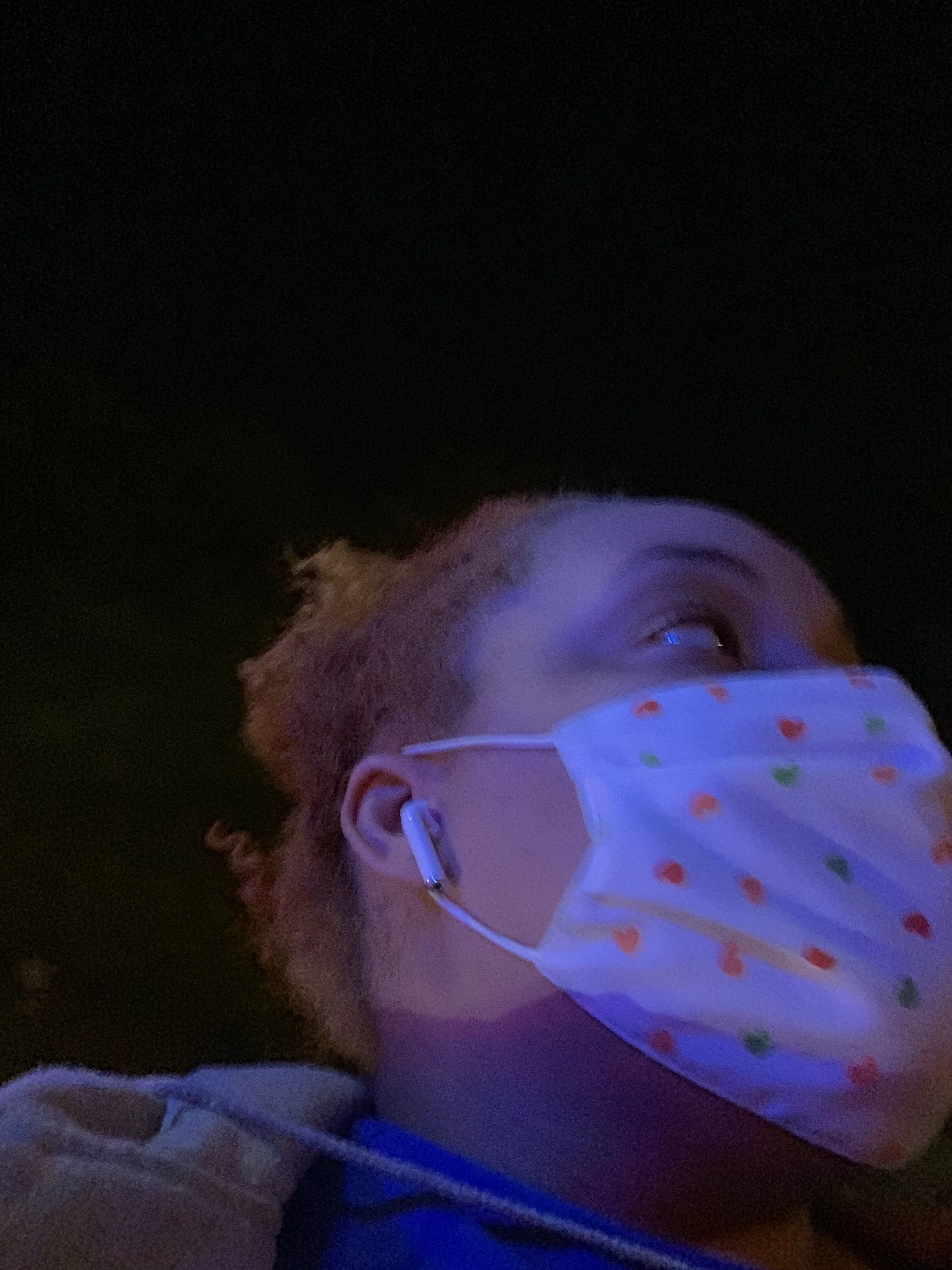
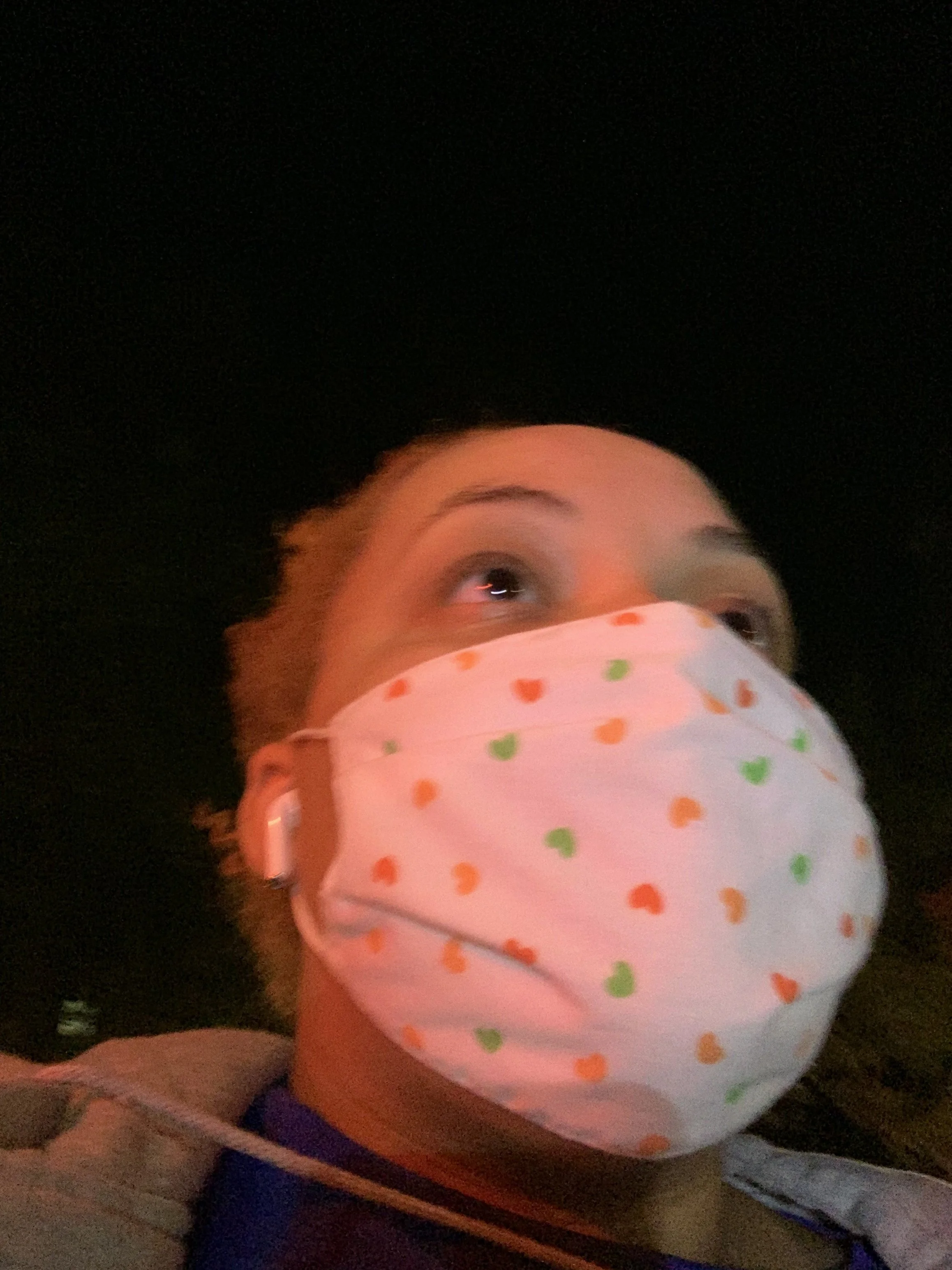
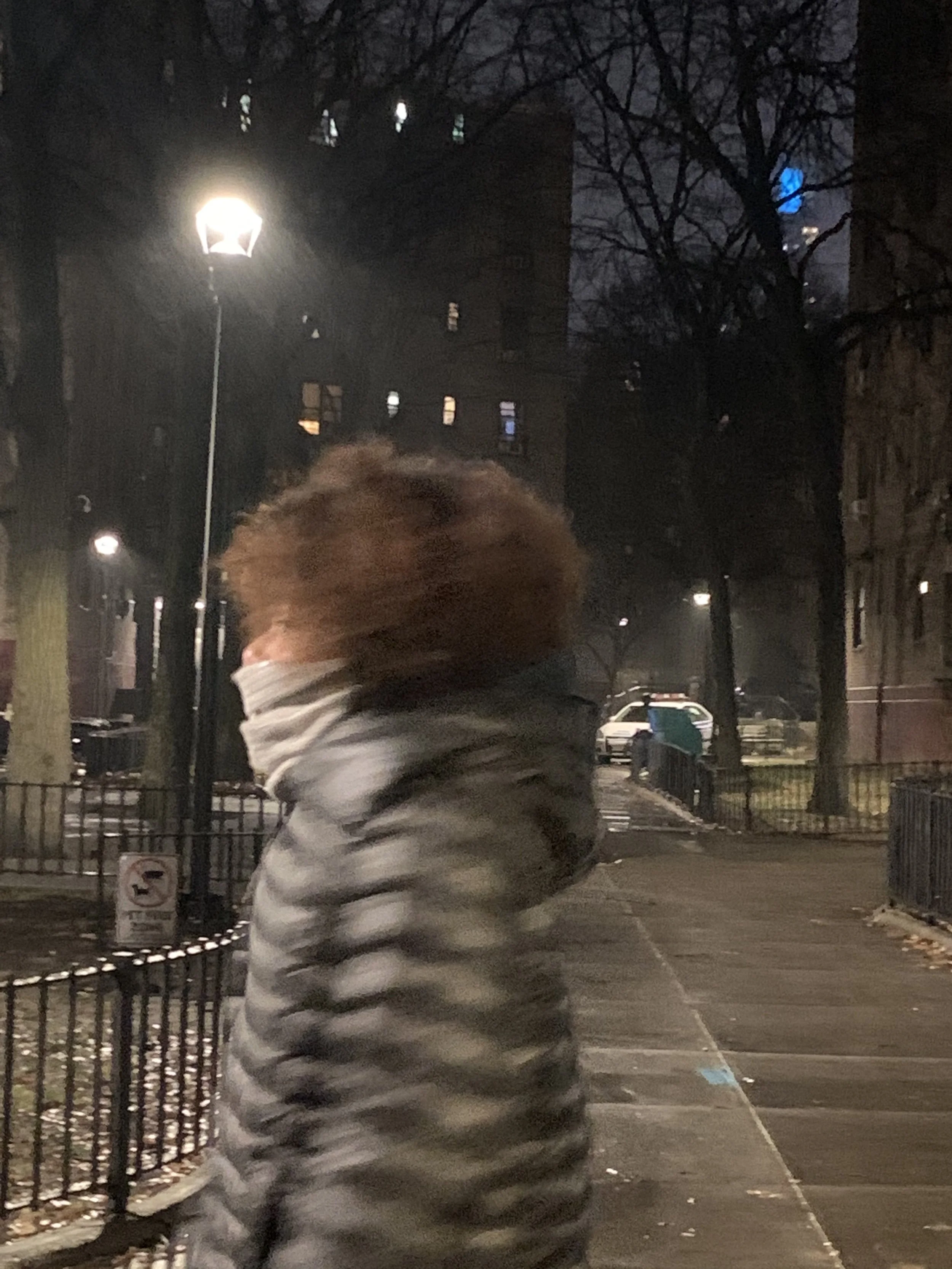
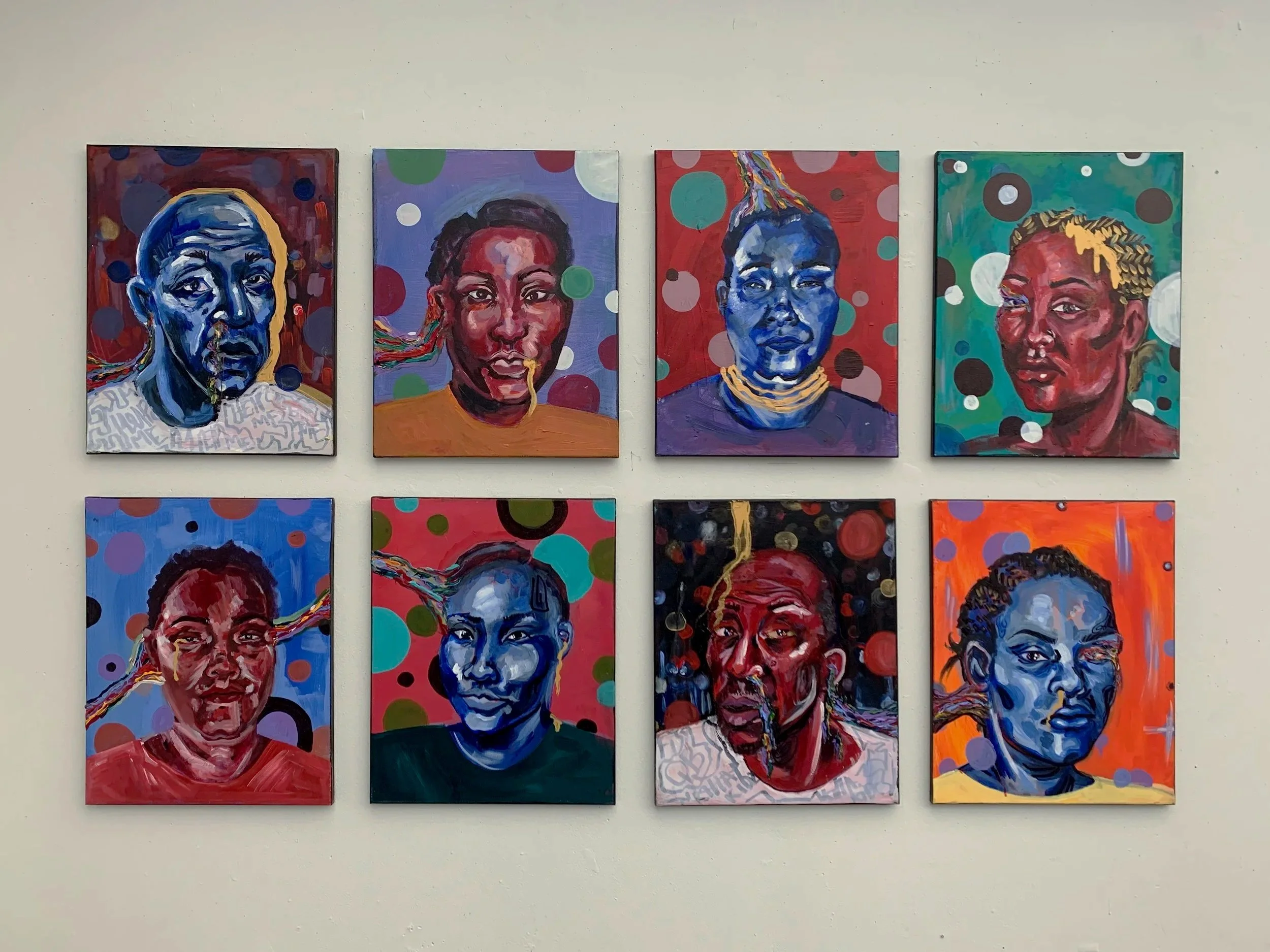
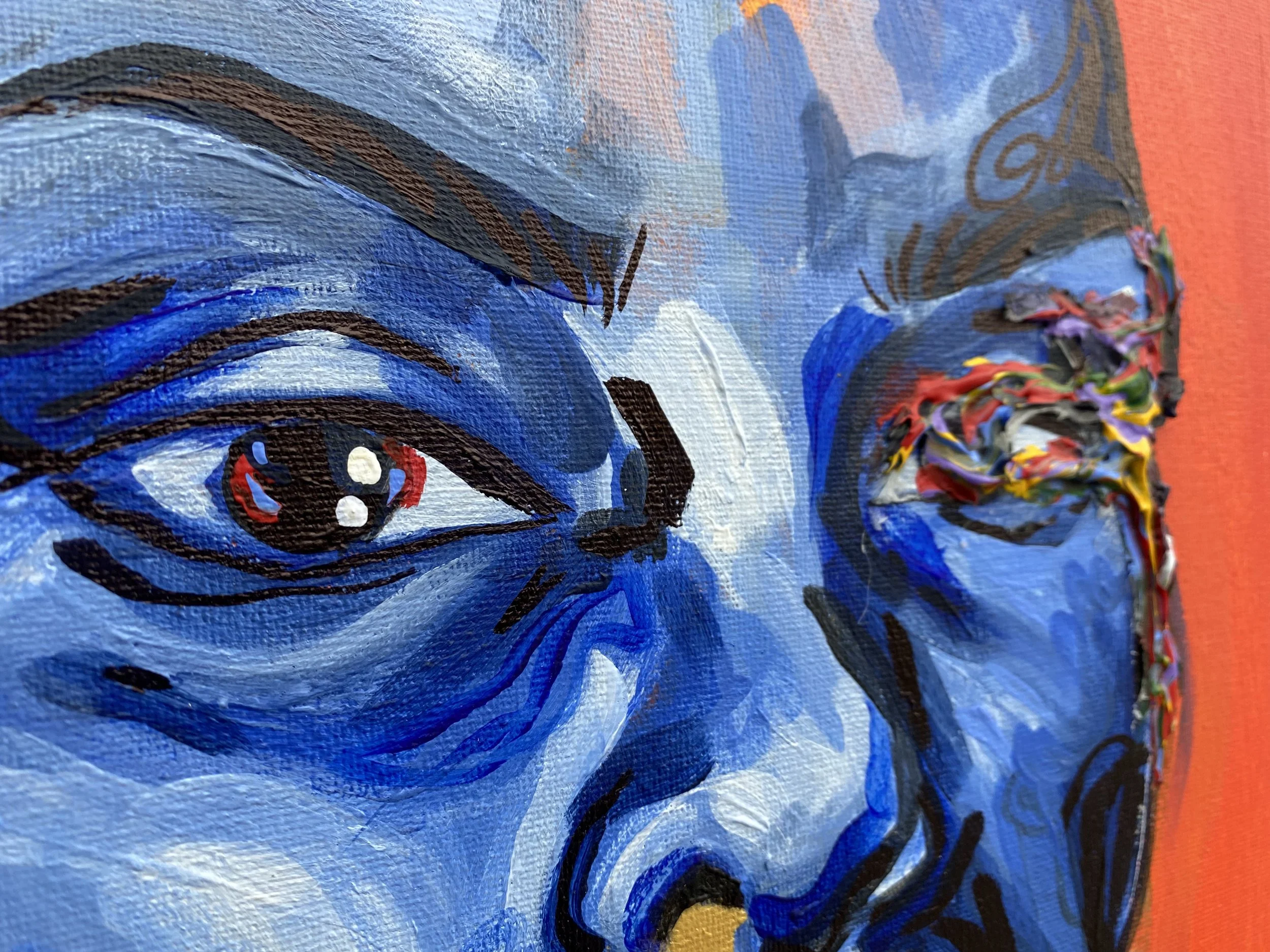
In response to my ongoing exploration of police surveillance in Black and POC communities, I began painting my family in shades of blue and red to mimic the flashing lights of police cars.Using my own family makes the work especially personal. These figures represent the people I love and the vulnerability that comes with knowing that any of us could find ourselves in a situation where we are unsure of what will happen next.
Ultimately, this painting is about living in that suspended moment—between movement and stillness, safety and danger, familiarity and uncertainty. It reflects the feeling of being watched while having very little control over how that attention may affect you.